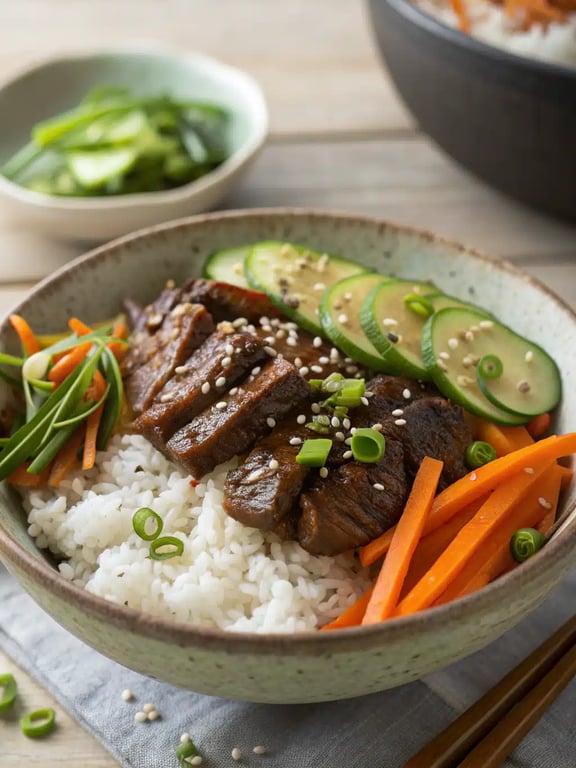
With just a handful of simple ingredients, these Korean BBQ steak bowls deliver a restaurant-worthy meal right to your kitchen table. Imagine tender, marinated beef with a sweet and savory glaze, served over fluffy rice with a confetti of crisp, fresh vegetables. It’s the perfect balance of flavor and texture in one satisfying, beautiful bowl.
What Makes Korean BBQ Steak Bowls So Special
With just a handful of simple ingredients, these Korean BBQ steak bowls deliver a restaurant-worthy meal right to your kitchen table. Imagine tender, marinated beef with a sweet and savory glaze, served over fluffy rice with a confetti of crisp, fresh vegetables. It’s the perfect balance of flavor and texture in one satisfying, beautiful bowl. During our testing, we found that letting the steak marinate at room temperature for that short 20-30 minute window makes a world of difference—it allows the flavors to penetrate quickly without making the meat mushy. Trust us, once you see how simple it is to create these vibrant Korean beef bowls, you’ll be adding them to your regular dinner rotation!
This post may contain affiliate recommendations. Please see our disclosure policy.
What You’ll Find in This Article
Ingredients for Korean BBQ Steak Bowls
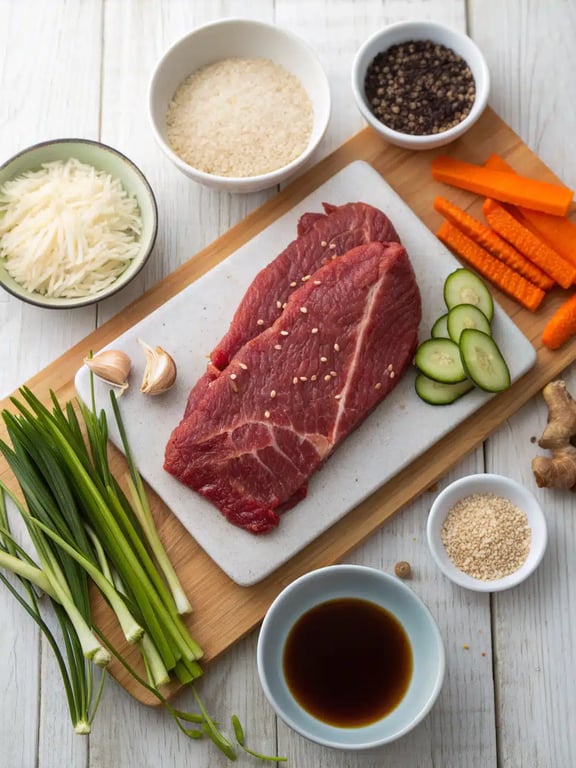
Here’s everything you’ll need to build these incredible marinated beef bowls. We love how the short ingredient list creates such complex flavor.- 1 ½ pounds flank steak or skirt steak, thinly sliced against the grain
- ½ cup soy sauce
- 3 tablespoons light brown sugar, packed
- 2 tablespoons toasted sesame oil
- 3 cloves garlic, minced
- 1 tablespoon freshly grated ginger
- 2 tablespoons neutral oil, such as vegetable or canola, divided
- 1 teaspoon toasted sesame seeds
- 4 cups cooked white rice
- 2 medium carrots, julienned or shredded
- 1 English cucumber, thinly sliced
- 4 green onions, thinly sliced
Cook Time for Bulgogi Steak Bowls
One of the best things about these Korean BBQ bowls is how quickly they come together. From start to finish, you can have a complete, impressive meal on the table in well under an hour. Here’s the breakdown we’ve timed in our own kitchens:- Prep Time: 15 minutes (includes slicing steak and veggies)
- Cook Time: 15 minutes
- Marinating Time: 20-30 minutes
- Total Time: About 50-60 minutes
How to Make Korean Steak Rice
Follow these simple steps for perfect Korean steak rice every single time. We’ve broken it down to make the process feel effortless.Step 1: Marinate the Steak
In a medium bowl, whisk together the soy sauce, brown sugar, sesame oil, garlic, and ginger until the sugar is dissolved. Add the thinly sliced steak to the marinade, toss to coat thoroughly, and let it marinate at room temperature for 20-30 minutes.Step 2: Prep the Vegetables
While the steak marinates, prepare your vegetables. Julienne the carrots, thinly slice the cucumber and green onions, and set them aside for assembly.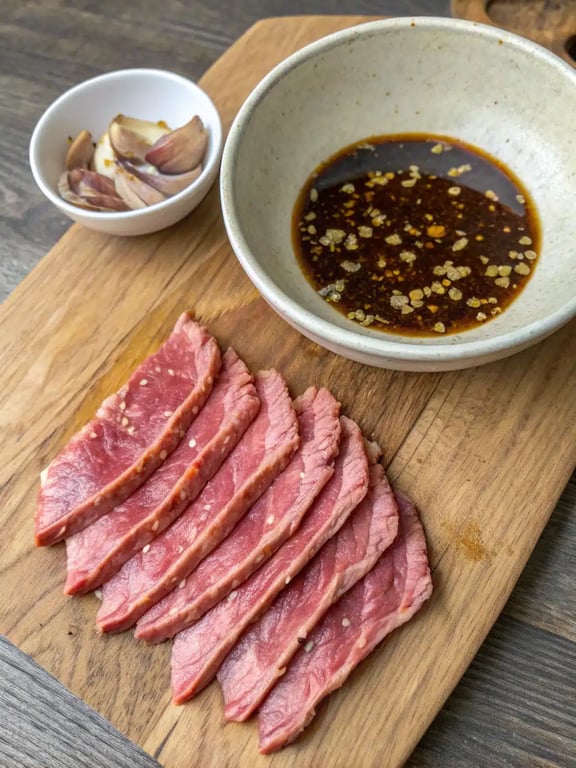
Step 3: Cook the Steak
Heat 1 tablespoon of the neutral oil in a large skillet or wok over medium-high heat until shimmering. Using tongs, remove the steak from the marinade, letting excess drip off, and cook in a single layer in batches to avoid overcrowding, about 2-3 minutes per side until nicely browned and cooked through. Transfer to a clean plate.Step 4: Make the Sauce
Pour the remaining marinade into the hot skillet and bring to a simmer. Cook for 2-3 minutes, stirring frequently, until slightly thickened into a glossy sauce. Remove from heat and stir in the toasted sesame seeds.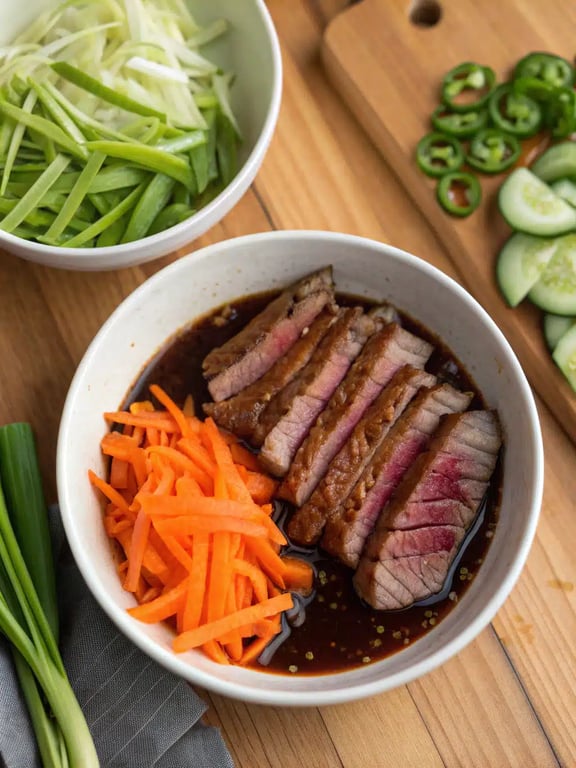
Step 5: Assemble the Bowls
To assemble the bowls, divide the warm cooked rice among four bowls. Top each with a portion of the cooked steak, arranging the carrots, cucumber, and green onions neatly around the edges.Step 6: Finish and Serve
Drizzle the warm, thickened sauce over the steak and rice just before serving.Pro Tips & Tasty Tweaks
After making this recipe dozens of times, our team has gathered a few favorite insights to help you nail it on the first try and make it your own.- Flavor Swap: For a slightly different depth, try using pure maple syrup instead of brown sugar in the marinade. It creates a wonderfully rich, caramel-like note.
- Heat Adjustment: Don’t rush the browning! If your pan isn’t hot enough when you add the steak, it will steam instead of sear. Wait for that oil to shimmer for the perfect crust.
- Prep Fix: To save time, look for pre-cut julienne carrots at the store, or use the large holes on a box grater for a similar, quick texture.
- Storage Tip: Leftover components store beautifully separately. Keep the steak, sauce, rice, and veggies in their own containers in the fridge for up to 3 days for easy next-day assembly.
Flavor & Texture Notes
When you get these Korean BBQ steak bowls just right, the experience is all about harmony. The first thing you’ll notice is the aroma—a mouthwatering blend of toasted sesame, sweet garlic, and ginger that fills your kitchen. As for texture, you’re aiming for a beautiful contrast. The steak should be tender with slight caramelized edges from its quick sear. The rice is a soft, warm base, while the carrots and cucumber add a crucial, refreshing crunch. Finally, the sauce brings everything together; it should be glossy and just thick enough to cling to the rice and meat without being syrupy. When all these elements are in balance, each bite is a perfect mix of savory, sweet, and fresh.Variations & Substitutions
We love this recipe as written, but part of the fun of cooking is making a dish work for you. Here are some of our favorite ways to mix up these Korean BBQ bowls while keeping the spirit—and deliciousness—intact. For a different protein, thinly sliced chicken thighs work wonderfully with the same marinade and cook time. If you’re out of brown sugar, an equal amount of honey or coconut sugar will give you a similar sweetness. To add more vegetables, toss in some quickly sautéed spinach or bell peppers. For a nuttier finish, sprinkle crushed peanuts or almonds on top along with the sesame seeds. Finally, if you enjoy a bit of heat, a teaspoon of gochujang (Korean chili paste) whisked into the marinade adds a lovely, warm kick that complements the sweet and savory notes perfectly.Make-Ahead & Scaling
We love a recipe that respects your time, and these Korean BBQ steak bowls are perfect for planning ahead. In fact, we often prep the components separately to make weeknight dinners a breeze. You can marinate the steak and store it in the fridge for up to 24 hours before cooking—just let it sit at room temperature for about 15 minutes before you sear it. The vegetables can be julienned and sliced a day in advance, kept crisp in airtight containers. Even the rice can be cooked ahead and gently reheated with a splash of water. When it comes to scaling, these marinated beef bowls are wonderfully flexible. For a smaller batch, simply halve all the ingredients and use a medium skillet. For a crowd, we recommend cooking the steak in batches to avoid steaming, as overcrowding the pan is the main culprit for losing that beautiful sear. You can keep the cooked batches warm in a low oven while you finish the rest. The sauce can be doubled or tripled in the same pan after all the steak is cooked; just give it a few extra minutes to reduce and thicken properly. A quick note on texture: if you prep everything ahead, the steak and sauce reheat beautifully together in a skillet. The vegetables, however, are best kept fresh and cold for that signature crunch. This way, every element of your Korean beef bowls stays just as vibrant as when made fresh.How to Serve Korean BBQ steak bowls
Part of the joy of these bowls is in the assembly. We love setting everything out family-style and letting everyone build their own perfect combination. It turns dinner into a fun, interactive experience. Start with a base of warm, fluffy rice—it’s the essential foundation for soaking up all that glorious sauce. From there, the toppings make the meal. Alongside the classic carrots, cucumber, and green onions, consider adding a soft-boiled egg with a runny yolk or a sprinkle of quick-pickled radishes for extra tang. For a bit of heat, a drizzle of chili crisp or a side of kimchi works wonders. These Korean BBQ bowls are a complete meal on their own, but they also pair beautifully with a simple side of steamed edamame or a light miso soup. During our testing, we found that a cold, crisp beverage like iced green tea or sparkling water with lemon is the perfect counterpoint to the rich, savory flavors. Remember, the final drizzle of that warm, glossy sauce is non-negotiable—it’s what brings all the elements of your Bulgogi steak bowls together in one harmonious bite.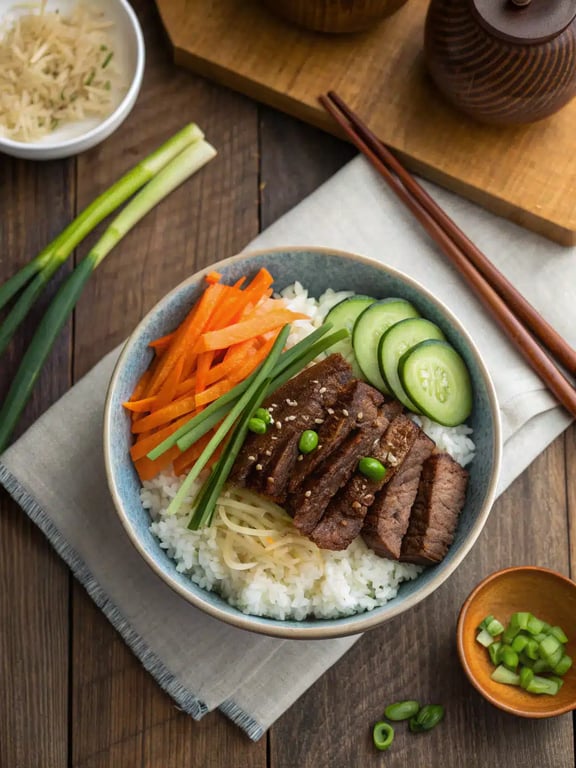
Mistakes to Avoid
We’ve made—and fixed—plenty of mistakes in our test kitchens, so you don’t have to. Here are the most common pitfalls we see with this recipe and exactly how to steer clear of them for perfect Korean steak rice every time. First, slicing the steak with the grain instead of against it. This is the number one reason for tough, chewy beef. Always look for the long muscle fibers on your flank or skirt steak and slice perpendicular to them. This shortens the fibers, guaranteeing a tender bite. Second, overcrowding the pan. If you add too much marinated steak at once, the pan temperature plummets and the meat steams in its own juices. You’ll miss out on those delicious caramelized edges. Cook in a single layer, in batches if needed, to get that perfect sear. Another common question we get is about the sauce turning out too thin or too salty. This usually happens if you don’t simmer the marinade long enough to reduce and concentrate, or if you use a very dark, intense soy sauce. Simmer for a full 2-3 minutes until it coats the back of a spoon, and consider using a reduced-sodium soy sauce if you’re sensitive to salt. Finally, don’t skip the toasting step for the sesame seeds! That quick toast in a dry pan (or buying pre-toasted) unlocks a deep, nutty aroma that raw seeds simply can’t match. It’s a small step that makes a big difference in your finished Korean BBQ steak bowls.How to Store Korean BBQ steak bowls
Good news: these bowls are fantastic for leftovers! The key is to store the components separately to maintain the best texture. We always keep the steak and sauce together in one airtight container, the rice in another, and the fresh vegetables in their own container or bag. This way, everything stays distinct and fresh. In the fridge, the cooked steak and sauce will keep for up to 3 days, and the rice for up to 4 days. The fresh veggies are best used within 2 days for optimal crunch. When you’re ready to eat, gently reheat the steak and sauce together in a skillet over medium heat, adding a tablespoon of water if the sauce seems too thick. Reheat the rice in the microwave with a damp paper towel over it to keep it moist. You can also freeze the cooked and sauced steak for up to 2 months. Thaw it overnight in the refrigerator before reheating. We don’t recommend freezing the assembled bowls or the fresh vegetables, as they will lose their appealing texture. With this simple system, you can enjoy your marinated beef bowls for days with minimal effort.Try This Korean BBQ steak bowls Yourself
We genuinely hope you give this recipe a try in your own kitchen. It’s one of those dishes that feels like a special treat but is straightforward enough for any night of the week. The process of slicing, marinating, and searing is almost therapeutic, and the reward is a restaurant-quality meal made with your own hands. What we love most is how this recipe builds confidence. Once you master the technique of slicing against the grain and achieving that perfect sear, you’ll find yourself using it for all sorts of quick skillet meals. These Korean BBQ bowls have become a trusted favorite in our own homes, and we’re so excited to share them with you. So, gather your ingredients, heat up your skillet, and get ready for a dinner that’s bursting with flavor. We’re confident these vibrant, satisfying bowls will earn a permanent spot in your recipe collection. Happy cooking!Korean BBQ Steak Bowls
With just a handful of simple ingredients, these Korean BBQ steak bowls deliver a restaurant-worthy meal right to your kitchen table. Imagine tender, marinated beef with a sweet and savory glaze, served over fluffy rice with a confetti of crisp, fresh vegetables. It’s the perfect balance of flavor and texture in one satisfying, beautiful bowl.
Ingredients
Equipment
Method
- In a medium bowl, whisk together the soy sauce, brown sugar, sesame oil, garlic, and ginger until the sugar is dissolved. Add the thinly sliced steak to the marinade, toss to coat thoroughly, and let it marinate at room temperature for 20-30 minutes.
- While the steak marinates, prepare your vegetables. Julienne the carrots, thinly slice the cucumber and green onions, and set them aside for assembly.
- Heat 1 tablespoon of the neutral oil in a large skillet or wok over medium-high heat until shimmering. Using tongs, remove the steak from the marinade, letting excess drip off, and cook in a single layer in batches to avoid overcrowding, about 2-3 minutes per side until nicely browned and cooked through. Transfer to a clean plate.
- Pour the remaining marinade into the hot skillet and bring to a simmer. Cook for 2-3 minutes, stirring frequently, until slightly thickened into a glossy sauce. Remove from heat and stir in the toasted sesame seeds.
- To assemble the bowls, divide the warm cooked rice among four bowls. Top each with a portion of the cooked steak, arranging the carrots, cucumber, and green onions neatly around the edges.
- Drizzle the warm, thickened sauce over the steak and rice just before serving.
Nutrition
Notes
Pro Tips: For a different depth, try pure maple syrup instead of brown sugar. Ensure your pan is hot enough for a good sear. To save time, use pre-cut julienne carrots. Store components separately for up to 3 days for easy assembly.
Flavor & Texture: The steak should be tender with caramelized edges, the rice soft and warm, and the vegetables crisp for a perfect contrast.
Variations: Use chicken thighs, honey, or add gochujang for heat.
Flavor & Texture: The steak should be tender with caramelized edges, the rice soft and warm, and the vegetables crisp for a perfect contrast.
Variations: Use chicken thighs, honey, or add gochujang for heat.
Tried this recipe?
Let us know how it was!Enjoyed the recipe? Share it!

Kitchen Essentials We Recommend
Tools that make cooking easier — tried, tested, and loved.


As an Amazon Associate we earn from qualifying purchases.
Got a recipe the world should try?
Share your favorite family recipe or national dish with food lovers in 100+ countries.
Submit Your RecipeFrequently Asked Questions
Can I use a different cut of beef for these bowls?
Absolutely. While flank or skirt steak are our top choices for their flavor and quick-cooking nature, you can also use sirloin tip or even thinly sliced ribeye. The key is to slice any cut very thinly against the grain to ensure it stays tender after its quick sear in the pan.
How do I get my steak really tender for bulgogi?
Two steps are non-negotiable for tender steak. First, always slice it thinly against the grain to shorten the muscle fibers. Second, don’t over-marinate; 20-30 minutes at room temperature is perfect. Longer marinating, especially with the soy sauce, can actually start to break down the meat too much, giving it a mushy texture.
What’s the best way to thinly slice steak for Korean BBQ?
For the easiest slicing, pop the steak into the freezer for about 20-30 minutes first. This firms it up just enough so you can get clean, paper-thin slices with a sharp knife. Always cut perpendicular to the visible grain lines on the meat for the most tender result in your Korean beef bowls.
Can I make this recipe in a slow cooker?
We don’t recommend it for this particular recipe. The magic of these Bulgogi steak bowls comes from the quick, high-heat sear that caramelizes the marinade and keeps the steak juicy. A slow cooker will braise the meat, resulting in a completely different, softer texture and less concentrated flavor.