A rich, hearty Italian beef stew where tender, shredded beef melts into a savory tomato base, infused with aromatic herbs and sweet vegetables. Perfectly served over wide pappardelle pasta for a deeply satisfying, slow-cooked comfort meal.
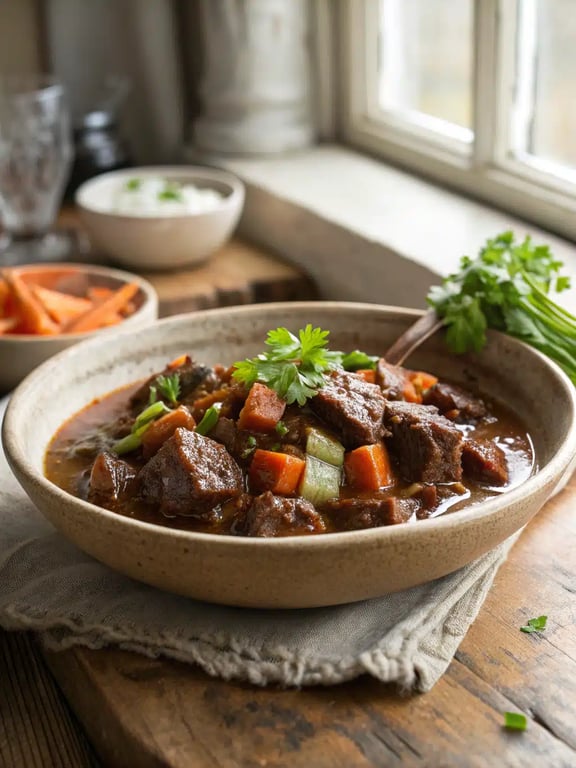
What Makes Braised Beef Ragu So Special
With just a handful of simple ingredients, this braised beef ragu delivers a deeply satisfying, slow-cooked comfort that feels like a warm hug. It’s a rich, hearty beef sauce where tender, shredded beef melts into a savory tomato base, infused with aromatic herbs and sweet vegetables. We love serving it over wide pappardelle pasta, which perfectly catches every last drop of this incredible Italian beef stew. During our testing, we found the key to the most flavorful slow cooked beef is patience during the browning step. Don’t rush it! Letting those beef cubes develop a deep, caramelized crust builds a flavor foundation that carries through the entire pot. Trust us, that extra few minutes makes all the difference. You’re going to be amazed at how something so simple transforms into a meal that’s truly special.
This post may contain affiliate recommendations. Please see our disclosure policy.
What You’ll Find in This Article
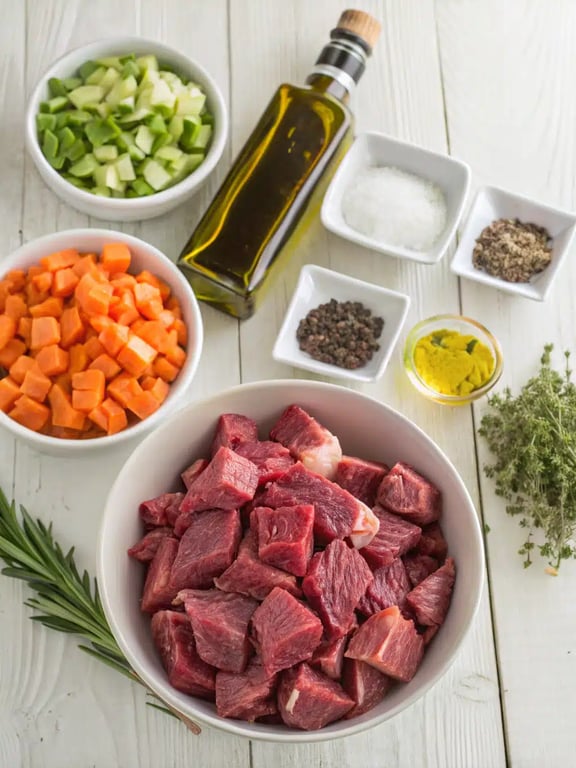
Ingredients for Braised Beef Ragu
Here’s everything you’ll need to create this soul-warming beef ragout recipe. We recommend using beef chuck roast for its perfect balance of flavor and tenderness after long cooking.- 2 pounds beef chuck roast, cut into 1-inch cubes
- 2 tablespoons olive oil
- 1 medium yellow onion, finely chopped
- 2 medium carrots, finely chopped
- 2 celery stalks, finely chopped
- 4 cloves garlic, minced
- 2 tablespoons tomato paste
- 1 cup beef broth (plus more for deglazing, if needed)
- 1 (28-ounce) can crushed tomatoes
- 1 cup additional beef broth
- 2 teaspoons dried oregano
- 1 teaspoon dried thyme
- 2 bay leaves
- Kosher salt and freshly ground black pepper
- 1 pound pappardelle pasta
- Freshly grated Parmesan cheese, for serving
- Chopped fresh parsley, for garnish
Cook Time for Braised Beef Pasta
This braised beef pasta is all about low and slow cooking for maximum tenderness. While the hands-on time is quite short, the magic happens during the long, gentle simmer. Here’s the timeline you can expect:- Prep Time: 20 minutes
- Cook Time: 3 hours 15 minutes
- Total Time: 3 hours 35 minutes
How to Make Braised Beef Ragu
Follow these steps to build layers of flavor for your perfect hearty beef sauce. We’ve broken it down so you can move through the process with confidence.Step 1: Brown the Beef
Pat the beef cubes dry with paper towels and season generously with salt and pepper. In a large Dutch oven or heavy pot, heat the olive oil over medium-high heat. Working in batches to avoid crowding, brown the beef on all sides, about 5-7 minutes per batch. Transfer the browned beef to a plate.Step 2: Cook the Aromatics
Reduce the heat to medium. Add the chopped onion, carrots, and celery to the pot. Cook, stirring occasionally, until the vegetables have softened, about 8-10 minutes. Add the garlic and tomato paste and cook for 1 more minute until fragrant.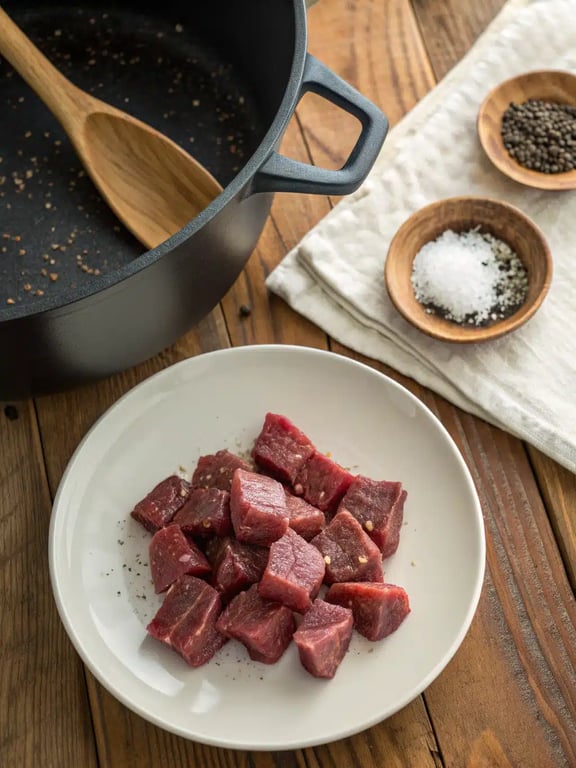
Step 3: Deglaze the Pot
Pour in 1 cup of beef broth, scraping the bottom of the pot with a wooden spoon to release any browned bits. Let it simmer for 2-3 minutes until slightly reduced.Step 4: Simmer the Ragu
Return the browned beef and any accumulated juices to the pot. Add the crushed tomatoes, the remaining 1 cup of beef broth, oregano, thyme, and bay leaves. Bring the mixture to a simmer.Step 5: Braise Until Tender
Once simmering, reduce the heat to low. Cover the pot with the lid slightly ajar and let the ragu cook gently for 2 1/2 to 3 hours, stirring occasionally, until the beef is extremely tender and falls apart easily. Season to taste with additional salt and pepper.Step 6: Cook the Pasta
About 20 minutes before the ragu is finished, bring a large pot of salted water to a boil. Cook the pappardelle according to package directions until al dente. Reserve 1/2 cup of the pasta cooking water before draining.Step 7: Finish the Sauce
Using two forks, shred any large pieces of beef directly in the pot. If the ragu seems too thick, stir in a splash of the reserved pasta water to reach your desired consistency.Step 8: Serve and Enjoy
Serve the hot braised beef ragu over the drained pappardelle. Top each bowl with a generous amount of grated Parmesan cheese and a sprinkle of fresh parsley.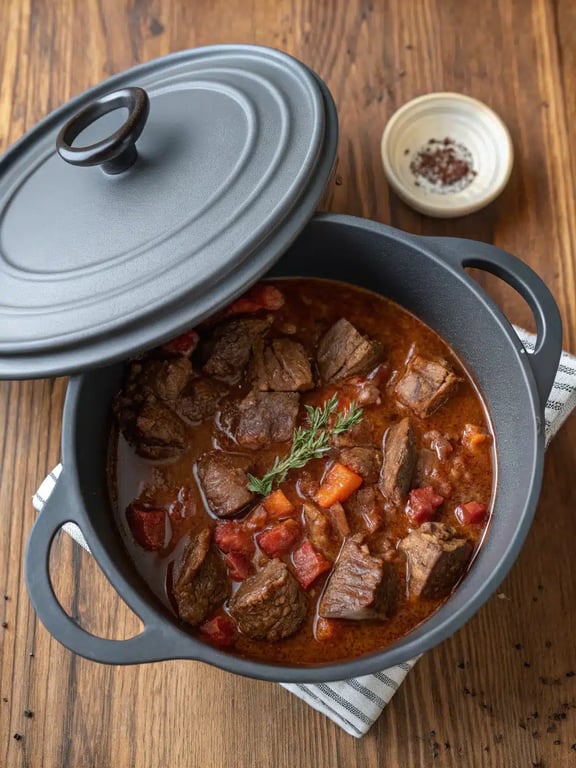
Pro Tips & Tasty Tweaks
After making this recipe dozens of times, our team has gathered a few favorite insights to help you nail it on the first try and make it your own.- Flavor Swap: For a richer, deeper note, add a tablespoon of balsamic vinegar along with the broth in step 3. It mimics some of the complexity you might expect.
- Timing Adjustment: If you’re short on time, you can cook the ragu in a 300°F oven for the same duration. The even, ambient heat is very forgiving.
- Prep Fix: To save time on chopping, you can pulse the onion, carrots, and celery in a food processor until finely chopped but not pureed.
- Storage Tip: This ragu tastes even better the next day. Store it in an airtight container in the fridge for up to 4 days, or freeze for up to 3 months. Reheat gently on the stovetop with a splash of broth or water.
Flavor & Texture Notes
When your braised beef ragu is done, you’ll know it by more than just the clock. Let’s talk about the sensory cues that signal perfection. The aroma should be deeply savory and herbaceous, filling your kitchen with the promise of a great meal. In terms of texture, the beef should offer no resistance when poked with a fork. It will shred effortlessly into the sauce, creating a chunky, cohesive, and luxuriously thick hearty beef sauce. The sauce itself should coat the back of a spoon richly, not runny but not pasty either. If it seems too thick, that’s what your reserved pasta water is for—it loosens the sauce while helping it cling beautifully to every strand of pasta.Variations & Substitutions
One of the joys of this beef ragout recipe is its flexibility. While we love the classic version, here are some delicious ways our team has tweaked it over time. Feel free to get creative based on what you have on hand!- Mushroom Boost: Add 8 ounces of sliced cremini mushrooms when you cook the carrots and celery. They add a wonderful earthy, umami depth to the sauce.
- Creamy Twist: For a richer, smoother sauce, stir in 1/4 to 1/2 cup of heavy cream or whole milk during the last 10 minutes of cooking.
- Herb Refresh: Swap the dried oregano and thyme for 2 tablespoons of chopped fresh rosemary. Its piney fragrance pairs wonderfully with the beef.
- Pasta Swap: While pappardelle is our favorite, any sturdy pasta works. Try rigatoni, tagliatelle, or even spooning it over creamy polenta or mashed potatoes.
- Spice It Up: Add a pinch of red pepper flakes with the garlic for a gentle, warming heat that builds in the background.
Make-Ahead & Scaling
We love a recipe that respects your time, and this braised beef ragu is a true make-ahead champion. In fact, we often joke that it’s even better on day two, after the flavors have had a chance to fully mingle and deepen. This makes it perfect for meal prep or for taking the stress out of a dinner party. For make-ahead, you can brown the beef and cook the aromatics a day in advance. Simply let the mixture cool, cover it, and refrigerate. The next day, pick up at step 4, adding the liquids and simmering as directed. Alternatively, you can cook the entire slow cooked beef ragu, let it cool completely, and store it in the fridge for up to 4 days. The texture actually improves, becoming even more cohesive and rich. Scaling this Italian beef stew is straightforward. For a smaller batch, simply halve all the ingredients; your cooking time may be slightly reduced, so start checking for tenderness around the 2-hour mark. For a crowd, you can easily double the recipe. Just be sure to use a pot large enough to comfortably hold everything without being overly crowded, and expect the total braising time to remain about the same. The key is to maintain that gentle, steady simmer.How to Serve Braised Beef Ragu
After all that slow simmering, serving your braised beef ragu is the rewarding part. While we adore it over wide pappardelle, one of our favorite testing discoveries was how versatile this hearty beef sauce truly is. It’s a centerpiece that welcomes creativity. For a classic presentation, twirl that tender pappardelle onto warm plates and ladle the ragu generously on top. Finish with a snowy blanket of Parmesan and a bright sprinkle of parsley. During one of our team dinners, someone served it over a bowl of creamy polenta, and it was a revelation—the perfect cozy alternative for a chilly evening. A simple side salad with a sharp vinaigrette cuts through the richness beautifully. We always set out a little extra grated cheese and maybe some crusty bread for dipping. It’s those little touches that turn a great beef ragout recipe into a memorable meal shared with friends and family.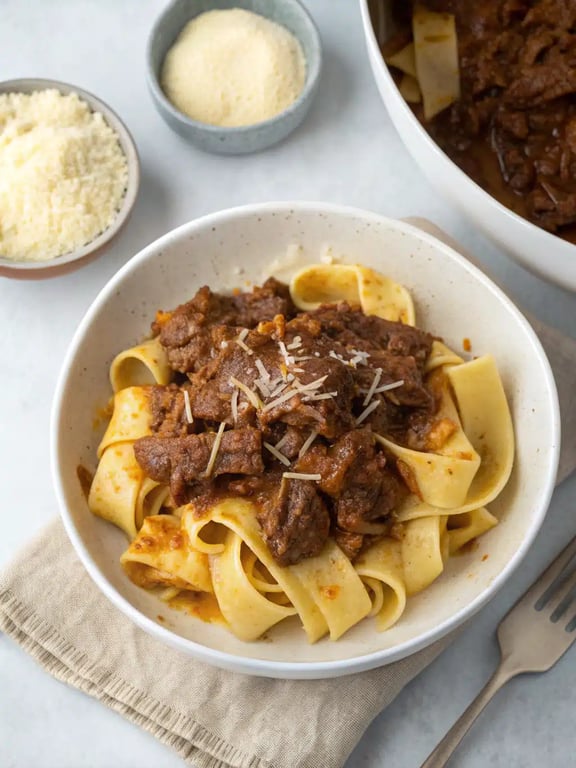
Mistakes to Avoid
We’ve made our share of mistakes in the kitchen so you don’t have to. Through all our testing, we’ve pinpointed a few common pitfalls that can trip up this otherwise forgiving braised beef pasta. Avoiding them ensures your ragu turns out perfectly tender and flavorful every single time. Crowding the pot when browning: This is the number one reason for steamed, gray beef instead of a flavorful crust. If you’ve ever wondered why your slow cooked beef lacked depth, this was likely the culprit. Always brown in batches, giving each piece plenty of room to sear properly. Skimping on the simmer time: Patience is non-negotiable. If the beef isn’t fork-tender and shredding easily, it needs more time. Rushing this step means chewy meat. Trust the low, gentle heat to do its magic. Forgetting to season in layers: Don’t just season the beef at the start. Taste and adjust the salt and pepper at the end of cooking, too. The long simmer mellows flavors, so a final seasoning brings everything into perfect balance. Using the wrong cut of beef: Lean cuts like sirloin will become dry and tough during braising. Stick with well-marbled chuck roast for that melt-in-your-mouth texture that defines a great Italian beef stew. Keep these tips in mind, and you’re well on your way to a flawless pot of ragu. Remember, good cooking is often about avoiding simple errors, and we’re here to help you sidestep them all.How to Store Braised Beef Ragu
One of the best things about this braised beef ragu is how well it keeps. We frequently make a double batch just to have leftovers, because the flavor only gets better. Here’s how we store it to maintain that perfect texture and taste. Let the ragu cool completely before transferring it to an airtight container. It will keep in the refrigerator for up to 4 days. When reheating, do so gently on the stovetop over low heat, adding a splash of broth or water to loosen it up if it has thickened. For longer storage, this hearty beef sauce freezes beautifully. Portion it into freezer-safe bags or containers, leaving a little space for expansion, and freeze for up to 3 months. Thaw overnight in the fridge before reheating. A quick team tip: we often freeze the ragu and the pasta separately. That way, we can cook fresh pasta and have a restaurant-quality beef ragout recipe on the table in the time it takes to boil water. It’s our secret for effortless, impressive weeknight meals.Try This Braised Beef Ragu Yourself
We truly hope you’ll give this braised beef ragu a try in your own kitchen. It’s the kind of recipe that builds confidence and fills your home with the most incredible, welcoming aroma. There’s a special satisfaction that comes from transforming simple ingredients into something so deeply comforting and delicious. Whether you’re cooking for a quiet family dinner or prepping for a gathering with friends, this dish delivers. It’s forgiving, flexible, and always a crowd-pleaser. We’d love to hear how it turns out for you—what sides you paired it with, or if you discovered a new favorite way to serve it. So, gather your ingredients, take your time browning that beef, and let the pot simmer. You’re about to create a classic slow cooked beef masterpiece that’s sure to become a regular in your recipe rotation. Happy cooking!Braised Beef Ragu
A rich, hearty Italian beef stew where tender, shredded beef melts into a savory tomato base, infused with aromatic herbs and sweet vegetables. Perfectly served over wide pappardelle pasta for a deeply satisfying, slow-cooked comfort meal.
Ingredients
Equipment
Method
- Pat the beef cubes dry with paper towels and season generously with salt and pepper. In a large Dutch oven or heavy pot, heat the olive oil over medium-high heat. Working in batches to avoid crowding, brown the beef on all sides, about 5-7 minutes per batch. Transfer the browned beef to a plate.
- Reduce the heat to medium. Add the chopped onion, carrots, and celery to the pot. Cook, stirring occasionally, until the vegetables have softened, about 8-10 minutes. Add the garlic and tomato paste and cook for 1 more minute until fragrant.
- Pour in 1 cup of beef broth, scraping the bottom of the pot with a wooden spoon to release any browned bits. Let it simmer for 2-3 minutes until slightly reduced.
- Return the browned beef and any accumulated juices to the pot. Add the crushed tomatoes, the remaining 1 cup of beef broth, oregano, thyme, and bay leaves. Bring the mixture to a simmer.
- Once simmering, reduce the heat to low. Cover the pot with the lid slightly ajar and let the ragu cook gently for 2 1/2 to 3 hours, stirring occasionally, until the beef is extremely tender and falls apart easily. Season to taste with additional salt and pepper.
- About 20 minutes before the ragu is finished, bring a large pot of salted water to a boil. Cook the pappardelle according to package directions until al dente. Reserve 1/2 cup of the pasta cooking water before draining.
- Using two forks, shred any large pieces of beef directly in the pot. If the ragu seems too thick, stir in a splash of the reserved pasta water to reach your desired consistency.
- Serve the hot braised beef ragu over the drained pappardelle. Top each bowl with a generous amount of grated Parmesan cheese and a sprinkle of fresh parsley.
Nutrition
Notes
Pro Tips: For richer flavor, add 1 tbsp balsamic vinegar when deglazing. To save time, pulse onion, carrots, and celery in a food processor. Ragu tastes even better the next day and freezes well for up to 3 months.
Variations: Add sliced mushrooms with the vegetables, stir in cream at the end, or use fresh rosemary instead of oregano/thyme.
Tried this recipe?
Let us know how it was!Enjoyed the recipe? Share it!
Kitchen Essentials We Recommend
Tools that make cooking easier — tried, tested, and loved.


As an Amazon Associate we earn from qualifying purchases.
Got a recipe the world should try?
Share your favorite family recipe or national dish with food lovers in 100+ countries.
Submit Your RecipeFrequently Asked Questions
Can I make braised beef ragu in a slow cooker?
Absolutely. After browning the beef and sautéing the vegetables on the stovetop (steps 1-3), transfer everything to your slow cooker. Add the remaining ingredients and cook on LOW for 7-8 hours or on HIGH for 4-5 hours, until the beef is fork-tender.
How do I know when the beef is done braising?
The beef is perfectly done when it offers no resistance to a fork. You should be able to easily shred a piece with two forks. If it still feels firm, let it continue simmering and check again in 20-30 minutes.
What can I use instead of pappardelle pasta?
Any sturdy pasta that can hold the chunky sauce works well. We recommend tagliatelle, fettuccine, rigatoni, or even wide egg noodles. For a non-pasta option, try creamy polenta or soft mashed potatoes.
Why is my ragu too watery?
If your sauce hasn’t thickened enough, simply remove the lid and let it simmer uncovered for an additional 15-20 minutes. This allows excess liquid to evaporate and will concentrate the flavors into a richer, thicker hearty beef sauce.