
Protein cake is more than just a gym trend—it’s the kind of treat that satisfies your sweet tooth and supports your body goals. In this article, we’ll show you how to bake a fluffy, moist protein cake at home, how to avoid common mistakes, and answer your top baking questions. Whether you’re lifting weights or lifting your toddler, this recipe is here to energize you. With the right ingredients and a few easy tips, you can turn a simple cake into a powerful snack that fits your lifestyle. Let’s begin with a little story from Emily’s kitchen in Sarasota.
Table of Contents
Why This Protein Cake Became a Post-Workout Ritual
Emily’s Story: Baking Gains into Her Day
It started with a craving after leg day.
Emily (38, Sarasota, FL) had just finished a morning workout with her friend Amelia, both covered in sweat and talking about how much they missed cake—the real kind. But with their new focus on strength and clean eating, store-bought sweets didn’t fit the plan.
That afternoon, while her daughter Chloe napped, Emily mixed together almond flour, vanilla whey protein, Greek yogurt, and a dash of Stevia. The first batch was too dry. The second? Still dense. But the third? Light, satisfying, and packed with protein.
When Linda, her 61-year-old mom, tried it later that week, even she was surprised: “This tastes like something from a bakery—not a protein bar in disguise.”
Since then, Emily’s protein cake became a regular in their home—perfect after workouts or as a quick breakfast with coffee. Even Chloe loves it warm with a dollop of almond butter on top.
Baking had always been nostalgic for Emily, but now it felt purposeful. Each slice was sweet, satisfying, and quietly powerful.
A Cake That Powers Your Morning or Refuels Your Afternoon
Unlike traditional cake, protein cake fills the gap between indulgence and intention. It’s light but energizing, sweet but not sugary, and endlessly adaptable. Whether you use casein for a slower release or whey for faster recovery, it becomes your go-to snack that supports your day—not sets you back.
This recipe has enough protein to support muscle repair, enough healthy fats to keep you full, and none of the crash that comes from high-sugar alternatives. So the next time you crave something warm and sweet, remember—you don’t need to choose between cake and your goals. You can have both.
Protein Cake That Fuels Your Day: Delicious & Easy Recipe for Energy
Ingredients
Equipment
Method
- Preheat oven to 320°F (160°C). Line or grease a 6–8 inch baking tin.
- Whisk protein powder, coconut flour, sweetener, baking powder, and salt in a large bowl.
- In another bowl, beat eggs, then stir in melted butter, milk, and vanilla.
- Combine wet and dry ingredients. Stir gently until smooth and slightly thick.
- Let batter rest for 5 minutes to absorb moisture.
- Pour batter into prepared tin, smooth top, and bake 25–30 minutes until golden and set.
- Cool 10 minutes in the pan, then transfer to a rack. Slice and serve warm or chilled.
Nutrition
Notes
Tried this recipe?
Let us know how it was!Enjoyed the recipe? Share it!

Kitchen Essentials We Recommend
Tools that make cooking easier — tried, tested, and loved.


As an Amazon Associate we earn from qualifying purchases.
Got a recipe the world should try?
Share your favorite family recipe or national dish with food lovers in 100+ countries.
Submit Your RecipeThe Secrets to a Moist, Fluffy Protein Cake
Balancing Moisture Without Sugar or Butter
One of the biggest challenges when baking a protein cake at home? Keeping it moist without relying on traditional ingredients like butter, oil, or refined sugar.
Emily remembers her first few attempts coming out of the oven dry and rubbery, especially when using only whey protein. It turns out, protein powder absorbs more liquid than flour, which can lead to dense or chalky textures if the ratios are off.
To solve this, she leaned into moisture-locking ingredients:
- Greek yogurt adds creaminess and protein.
- Unsweetened applesauce provides natural sweetness and tenderness.
- Eggs (or egg whites) help bind the cake while giving it a soft rise.
- Almond flour or oat flour adds richness without overpowering the protein.
Another tip? Don’t overbake. Protein cakes continue cooking after you take them out, so a slightly soft center will set as it cools.
Whether you’re making cupcakes, loaf-style cakes, or layered versions, these swaps make all the difference between a dry protein fail and a slice you actually crave.

You can also swap regular sugar for a natural alternative like Stevia. I personally love using Pure Organic Stevia Powder, which offers a clean, zero-calorie sweetness with no bitter aftertaste—ideal for baking protein cake at home. With each purchase via our Amazon link, you support this blog – at no extra cost to you.
Choosing the Right Protein Powder for Cakes
Not all protein powders behave the same way in baking, and Emily learned this the hard way.
- Whey protein isolate is fast-absorbing and light, but it can dry out quickly if you don’t add enough moisture.
- Casein protein makes a thicker, softer batter and tends to hold moisture better—perfect for cakes that need a fluffy texture.
- Plant-based protein (pea, hemp, or brown rice) works, too, but often needs extra moisture (think more yogurt or mashed banana).
When Emily uses vanilla whey for a subtle sweetness, she adds just a splash of almond milk to keep it smooth. If you’re using unflavored or chocolate protein, adjust sweeteners like Stevia or mashed fruit to keep the balance right.
Whichever protein you choose, make sure it’s one you enjoy the flavor of—even after baking. Because let’s face it: no one wants a delicious-looking cake that tastes like chalk.
For more ideas on delicious high-protein breakfast options, you might enjoy our easy protein pancakes recipe—light, fluffy, and just as satisfying.
Easy Homemade Protein Cake Recipe
You don’t need a shelf full of fancy ingredients to bake a delicious, fluffy protein cake. This one is simple, low in carbs, and rich in protein—perfect as a post-workout treat or an afternoon bite with coffee.
The combination of coconut flour and protein powder makes it filling, while eggs and melted butter keep it moist. The vanilla extract adds just the right touch of cozy flavor.
Let’s break it down, step by step.H2: Easy Homemade Protein Cake Recipe
You don’t need a shelf full of fancy ingredients to bake a delicious, fluffy protein cake. This one is simple, low in carbs, and rich in protein—perfect as a post-workout treat or an afternoon bite with coffee.
The combination of coconut flour and protein powder makes it filling, while eggs and melted butter keep it moist. The vanilla extract adds just the right touch of cozy flavor.
Let’s break it down, step by step.
Ingredients, Substitutions, and Tools
Here’s what you’ll need to make this easy protein cake:
| Ingredient | Amount |
|---|---|
| Protein powder (vanilla or unflavored whey) | ¾ cup (70 g) |
| Coconut flour | ⅓ cup (40 g) |
| Powdered sweetener (adjust to taste) | ⅓ to ½ cup (70–100 g) |
| Baking powder | 2 teaspoons |
| Salt | 1 pinch |
| Large eggs (room temperature) | 3 |
| Butter, melted | ¼ cup (57 g) |
| Low-carb milk (any milk works) | ½ cup (120 ml) |
| Vanilla extract | 1 teaspoon |
Tip: You can also use Stevia – a natural sweetener with zero carbs.
If you’re new to low-carb baking, our low-carb banana bread is a wonderful starter—naturally sweet and nourishing.
Step-by-Step Instructions with Tips
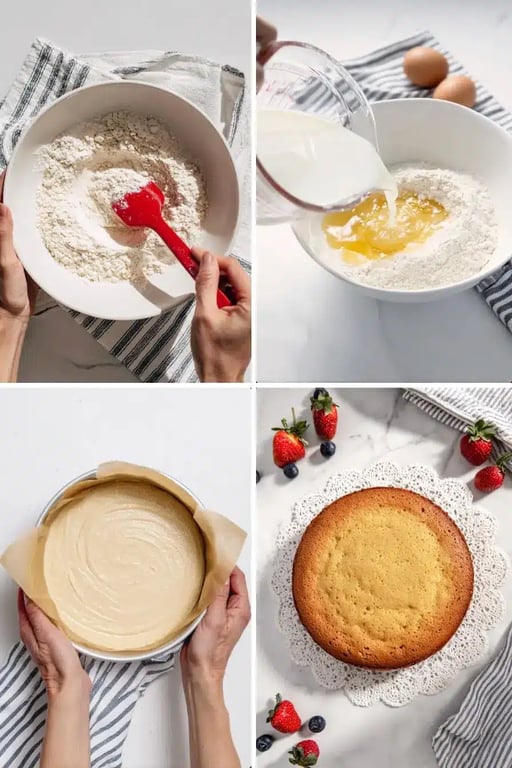
Step 1: Preheat and Prepare
Preheat your oven to 320°F (160°C). Line a small baking tin (about 6–8 inches) with parchment paper or lightly grease it with coconut oil or butter.
Step 2: Combine the Dry Ingredients
In a large bowl, whisk together:
- Protein powder
- Coconut flour
- Powdered sweetener
- Baking powder
- Salt
This helps distribute everything evenly before you add the wet ingredients.
Step 3: Add the Wet Ingredients
In another bowl, beat the eggs, then stir in:
- Melted butter
- Milk
- Vanilla extract
Make sure the butter has cooled slightly before mixing to prevent cooking the eggs.
Step 4: Mix the Batter
Pour the wet ingredients into the dry. Stir gently until just combined. The batter will be slightly thick, but not dry.
Step 5: Let the Batter Sit (optional but helpful)
Let the batter rest for 5 minutes. Coconut flour and protein powder absorb moisture as they sit, so this helps create a fluffier texture.
Step 6: Bake the Protein Cake
Pour the batter into your prepared tin. Smooth the top with a spatula.
Bake for 25–30 minutes, or until the top is golden and a toothpick inserted in the center comes out clean.
Step 7: Cool and Slice
Let the cake cool in the pan for 10 minutes, then transfer to a rack. Slice when cool, or enjoy slightly warm with Greek yogurt, nut butter, or a drizzle of low-carb syrup.

Whether you enjoy it fresh from the oven or pack a slice for later, this protein cake is a guilt-free delight that supports your energy, recovery, and sweet cravings—without compromise. Emily discovered this when experimenting with our vegan protein brownies recipe—balanced for moisture and flavor.
Frequently Asked Questions About Protein Cake
Can you add protein powder to any cake mix?
Yes, you can add protein powder to most cake mixes, but there’s a bit of a science to it. Protein powder is absorbent, which means it can dry out a cake if not balanced with enough moisture. When Emily first tried adding a scoop of vanilla whey to her regular cake batter, the texture came out dense and crumbly. She quickly learned that for every scoop of protein added, it’s best to slightly increase the liquid ingredients—like milk, Greek yogurt, or mashed banana—to keep the texture soft and moist. If you’re using a boxed mix, replace a small amount of flour with the protein powder, and don’t forget to check the consistency of the batter. The key to success is adjusting wet ingredients until you get a smooth pour that’s still rich and thick. With just a little tweaking, you can give your favorite cake recipes a powerful protein upgrade.
How to make protein cake at home?
Making a protein cake at home is surprisingly easy once you understand the right ratios. You start with your favorite protein powder, choose a low-carb flour like coconut or almond, and add moisture from eggs, butter, and milk. What transforms it from a bland post-workout snack into a truly delicious treat is balancing these ingredients so that the cake rises well and doesn’t dry out. Emily’s go-to method includes using a gentle sweetener like Stevia or powdered erythritol, folding in room-temperature eggs, and baking just until golden. Homemade protein cakes give you the control to tailor sweetness, texture, and macros, and when you get the formula right, you’ll wonder why you ever bought protein bars in the first place.
Why is it called depression cake?
The term “depression cake” dates back to the Great Depression in the 1930s, when ingredients like milk, eggs, and butter were expensive or hard to find. So home bakers created a cake recipe that skipped all three, using simple pantry staples like flour, vinegar, baking soda, and oil. The result was a surprisingly fluffy and moist cake made with what was available. While it wasn’t made for protein or fitness goals, its roots are in creativity and resilience—qualities we still admire today. Emily often reflects on this history when baking her modern version. Her protein cake includes eggs and milk for nutrition, but the spirit of making more with less remains. And just like those old-school bakers, we’re still finding ways to make healthier, satisfying desserts using what we have on hand.
Can I just add protein powder to any baking recipe?
You can, but it’s important to make smart adjustments. Protein powder changes both the texture and baking time of recipes, which means simply tossing it into muffins or cookies won’t always work out. When Emily first tried using chocolate protein in her favorite brownie recipe, she didn’t reduce the cocoa powder or add extra fat—resulting in a dry and rubbery mess. The solution lies in experimenting with substitutions. Swap out a small portion of flour for protein, increase the liquids slightly, and watch your oven closely. Baking with protein powder often requires shorter baking times and more moisture-retaining ingredients like nut butter, applesauce, or yogurt. The good news is that once you learn how protein interacts with other elements, it becomes easy to modify recipes into nourishing versions of your favorites.
After her morning workouts in Sarasota, Emily craved something sweet that didn’t undo her hard work. So, one quiet afternoon while Chloe napped, she whipped up her first homemade protein cake—a mix of almond flour, whey protein, and a little creativity. The early batches were dry, but by the third try, she’d created something that even her mom, Linda, called “bakery-worthy.” Now, it’s part of their routine—shared post-workout with Amelia or warm after school with Chloe. What started as a simple craving turned into a small, delicious ritual of strength, energy, and connection—one slice at a time.
From Cravings to Fuel – One Slice at a Time
Baking a protein cake at home is more than just a kitchen experiment—it’s a simple, satisfying way to care for your body while still honoring your cravings. Emily’s journey started with a post-workout sweet tooth, but what she gained was much more: energy that lasts, the joy of sharing healthier treats with loved ones, and a new way to see food as fuel. Whether you’re starting your fitness journey or simply looking for a better snack, this cake could become your new favorite too.
For more real-life kitchen inspiration, follow us on Pinterest and join the conversation over on Facebook—we’d love to hear how your protein cake turns out.

For a smoother prep experience, having a reliable chef’s knife and quality tools nearby makes kitchen work simpler. The SHAN ZU Chef Knife 8 Inch Japanese Steel Damascus Kitchen Knife is sharp, durable, and versatile enough for everything from chopping nuts to slicing fruit toppings. With each purchase via our Amazon link, you support this blog – at no extra cost to you.