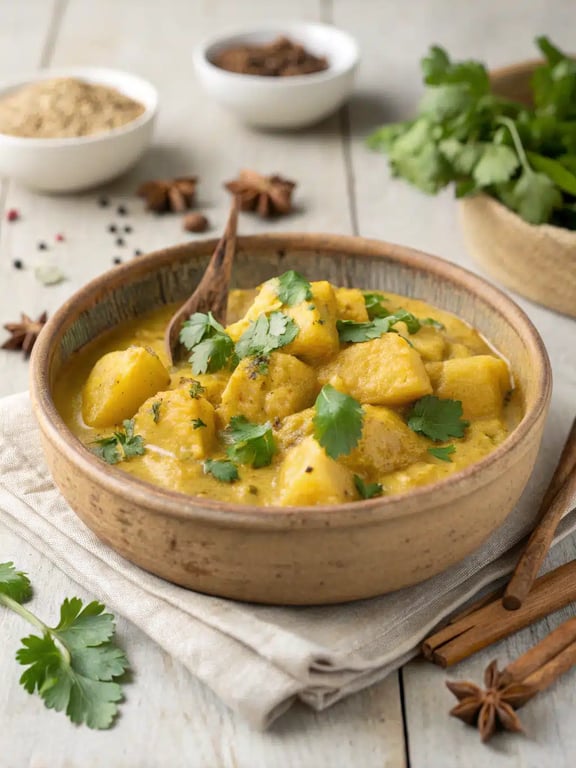
What Makes Persian Potato Curry So Special
With just a handful of simple ingredients, this Persian potato curry delivers a symphony of warm spices and comforting textures. We’re talking tender potatoes simmered in a creamy, tomato-based sauce that’s fragrant with turmeric, cumin, and a hint of cinnamon. It’s a deeply satisfying Persian potato stew that feels both rustic and elegant, perfect for a cozy weeknight dinner.
After testing this recipe multiple times, our team found that the key to the perfect texture is parboiling the potatoes separately before adding them to the sauce. This ensures they’re cooked through without becoming mushy, allowing them to hold their shape beautifully in the final dish. You’re going to love how the creamy yogurt sauce brings everything together—it’s simpler than it looks!
This post may contain affiliate recommendations. Please see our disclosure policy.
What You’ll Find in This Article
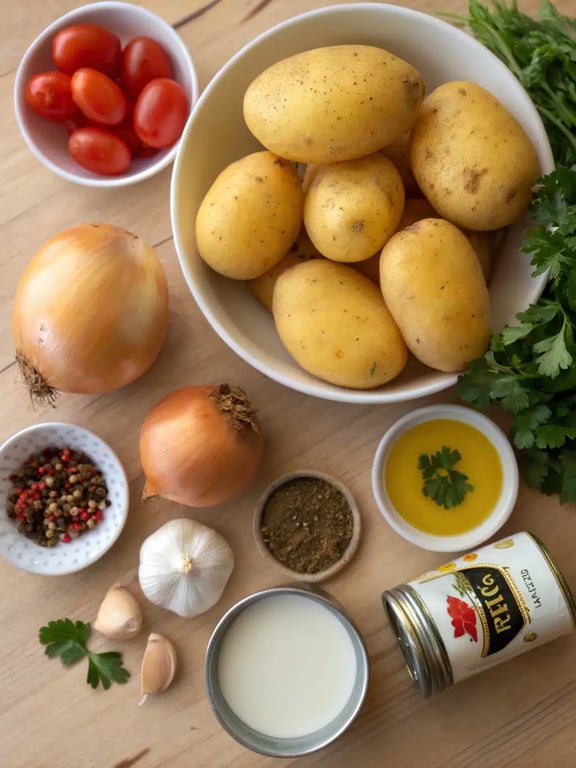
Ingredients for Persian Potato Curry
This Persian vegetarian curry relies on a beautiful blend of accessible ingredients. The spices are warm and earthy, while the yogurt adds a final touch of creaminess that makes this dish truly special.
- 1 ½ pounds Yukon Gold potatoes, peeled and cut into 1-inch chunks
- 2 tablespoons olive oil
- 1 large yellow onion, thinly sliced
- 3 cloves garlic, minced
- 1 teaspoon ground turmeric
- 1 teaspoon ground cumin
- ½ teaspoon ground cinnamon
- ¼ teaspoon cayenne pepper
- 1 (14.5-ounce) can diced tomatoes, undrained
- 1 cup vegetable broth
- ½ cup plain full-fat yogurt
- ¼ cup chopped fresh parsley
- Salt and freshly ground black pepper to taste
Cook Time for Persian Spiced Potatoes
We’ve timed this recipe repeatedly in our test kitchen to give you the most accurate estimates. Fortunately, this Iranian potato curry comes together relatively quickly, making it a fantastic option when you want a flavorful meal without spending hours in the kitchen.
- Prep time: 15 minutes
- Cook time: 25 minutes
- Total time: About 40 minutes
How to Make Persian Potato Stew
Follow these steps for a perfectly cooked Persian potato dish every single time. We’ve included our team’s little secrets to ensure your curry turns out creamy, flavorful, and utterly delicious.
Step 1: Parboil the Potatoes
Place the potato chunks in a medium pot, cover with cold water, and add a big pinch of salt. Bring to a boil over high heat, then reduce heat and simmer for 10-12 minutes, until the potatoes are just tender when pierced with a fork but not falling apart. Drain well and set aside.
Step 2: Sauté the Aromatics
While the potatoes cook, heat the olive oil in a large, deep skillet or Dutch oven over medium heat. Add the sliced onion and cook, stirring occasionally, for about 8-10 minutes until softened and starting to turn golden.
Step 3: Bloom the Spices
Stir in the minced garlic, turmeric, cumin, cinnamon, and cayenne pepper. Cook for 1 minute until fragrant, stirring constantly to prevent the spices from burning.
Step 4: Create the Sauce Base
Pour in the diced tomatoes with their juices and the vegetable broth, scraping up any browned bits from the bottom of the pan. Bring the mixture to a gentle simmer.
Step 5: Combine and Simmer
Carefully add the parboiled potatoes to the skillet, stirring gently to coat them in the sauce. Let everything simmer together for 5-7 minutes so the potatoes absorb the flavors and the sauce thickens slightly.
Step 6: Finish with Yogurt
Remove the skillet from the heat and stir in the yogurt until fully incorporated and the sauce is creamy. Be careful not to boil the sauce after adding the yogurt to prevent curdling.
Step 7: Final Seasoning
Season generously with salt and black pepper to taste. Stir in the chopped parsley just before serving for a fresh, vibrant finish.
Pro Tips & Tasty Tweaks
Our team has made this Persian potato curry countless times, and we’ve gathered our best insights to help you master it on your first try. Here are our favorite tips for perfecting this comforting dish.
- For a richer flavor, try using smoked paprika instead of cayenne for a different kind of warmth.
- If you’re short on time, you can skip parboiling and simmer the raw potatoes directly in the sauce for 20-25 minutes, but watch carefully to prevent them from breaking apart.
- To ensure creamy results, always take the skillet off the heat before stirring in the yogurt to prevent curdling.
- For easy leftovers, store any extra in an airtight container in the fridge for up to 3 days; gently reheat on the stovetop over low heat.
Flavor & Texture Notes
When you make this Persian potato curry correctly, you’ll be greeted by a wonderfully aromatic dish with a complex flavor profile. The first thing you’ll notice is the earthy warmth from the turmeric and cumin, followed by a subtle sweetness from the slowly cooked onions and a hint of warmth from the cayenne.
Texture-wise, the potatoes should be tender enough to yield easily to a fork but still hold their shape. The sauce itself is the star—creamy from the yogurt, with a slight tang that balances the richness of the spices. Ultimately, this Persian vegetarian curry is a harmonious blend of creamy, tangy, and warmly spiced elements that comfort you with every bite.
Variations & Substitutions
One of the things we love most about this Iranian potato curry is its adaptability. Our team has experimented with many versions, and we’re excited to share some of our favorite twists that keep the spirit of the dish intact while offering new experiences.
For a heartier meal, stir in a cup of cooked chickpeas along with the potatoes in step 5. If you enjoy a brighter, more herbaceous note, substitute half of the parsley with fresh dill or mint. For those who prefer a dairy-free version, coconut milk can be used in place of yogurt, though the flavor profile will shift slightly towards a Southeast Asian curry. Finally, if you want to incorporate more vegetables, diced carrots or green peas make wonderful additions—just add the carrots when you sauté the onions so they have time to soften.
Make-Ahead & Scaling
We love recipes that make weeknights easier, and our testing showed this Persian potato curry is wonderfully flexible for prepping ahead. You can chop the onions and potatoes the night before and store them separately in airtight containers in the refrigerator. For even faster assembly, we often parboil the potatoes a day in advance; just let them cool completely before storing.
When scaling this recipe, remember that doubling the batch works beautifully in a large Dutch oven. However, you may need to extend the final simmering time by a few minutes to allow the sauce to thicken properly. Conversely, if you’re making a smaller portion, use a medium skillet to ensure the sauce reduces correctly and coats the potatoes perfectly. This Persian potato dish holds its texture remarkably well, making it a reliable choice for meal prep.
How to Serve Persian Potato Curry
After countless test batches, our team found that serving this Persian potato curry with the right accompaniments truly elevates the experience. We love it spooned over a bed of fluffy basmati rice or with warm, flatbread for scooping up every bit of the creamy sauce. The contrast of textures makes each bite more satisfying.
For a complete meal, consider adding a simple cucumber and tomato salad with a lemon-dill dressing to cut through the richness. A side of roasted vegetables also pairs wonderfully. During testing, we discovered that a dollop of extra yogurt on top just before serving adds a cool, creamy element that balances the warm spices beautifully.
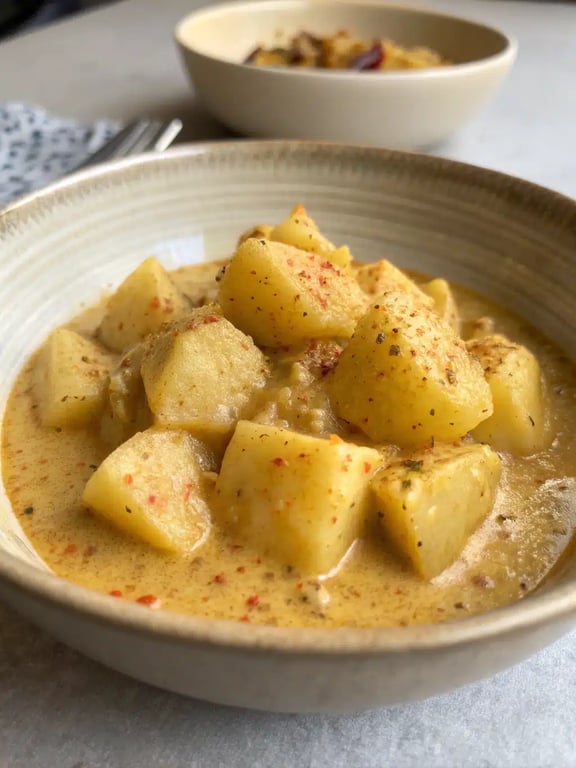
One of our favorite discoveries was how this Iranian potato curry tastes even better the next day, making it perfect for packed lunches. The flavors continue to meld and develop overnight, creating an even more delicious Persian vegetarian curry experience.
Mistakes to Avoid
Through our extensive testing, we’ve identified a few common pitfalls that can affect your final dish. Fortunately, they’re all easily avoidable with these simple tips from our team.
First, don’t skip parboiling the potatoes. We learned the hard way that adding raw potatoes directly to the sauce often results in uneven cooking—some pieces become mushy while others remain undercooked. Second, never add the yogurt while the skillet is still on the heat. This almost guarantees curdling, which affects the creamy texture of your Persian spiced potatoes.
Another common mistake we’ve observed is rushing the onion cooking process. Taking the full 8-10 minutes to properly soften and lightly caramelize the onions builds a flavor foundation that can’t be replicated. Finally, be careful not to over-stir once the potatoes are in the sauce. Gentle folding preserves their shape and prevents them from breaking apart into a mash.
Remember, this Persian potato stew is forgiving, but these small adjustments will ensure your results are consistently restaurant-quality every time you make it.
How to Store Persian Potato Curry
Proper storage is key to enjoying your Persian potato curry beyond the first meal. Our team found that this dish actually improves in flavor after a night in the refrigerator, as the spices continue to meld beautifully.
Let the curry cool completely before transferring it to an airtight container. It will keep well in the refrigerator for up to 3 days. For longer storage, this Persian vegetarian curry freezes surprisingly well for up to 2 months. We recommend using freezer-safe containers and leaving about an inch of headspace for expansion.
When reheating, do so gently over low heat on the stovetop, stirring occasionally. If the sauce seems too thick after storage, add a tablespoon or two of vegetable broth to thin it to your desired consistency. Avoid microwaving at high power, as this can cause the yogurt to separate and the potatoes to become rubbery.
Try This Persian Potato Curry Yourself
We genuinely hope you’ll experience the same joy we’ve found in making this comforting Persian potato curry. There’s something truly special about how such simple ingredients can transform into such a deeply satisfying meal.
During our testing, this dish became a team favorite precisely because it delivers restaurant-quality flavors with home-cooked simplicity. Whether you’re cooking for a busy weeknight or a relaxed weekend meal, this Persian potato stew consistently delivers warmth and comfort in every bowl.
We encourage you to make it your own—adjust the spice level to your preference, try different herb combinations, or add your favorite vegetables. The foundation is so versatile that it welcomes personal touches while remaining distinctly delicious. This Iranian potato curry has earned a permanent spot in our recipe rotation, and we think it will in yours too.
Persian Potato Curry
Ingredients
Equipment
Method
- Place the potato chunks in a medium pot, cover with cold water, and add a big pinch of salt. Bring to a boil over high heat, then reduce heat and simmer for 10-12 minutes, until the potatoes are just tender when pierced with a fork but not falling apart. Drain well and set aside.
- While the potatoes cook, heat the olive oil in a large, deep skillet or Dutch oven over medium heat. Add the sliced onion and cook, stirring occasionally, for about 8-10 minutes until softened and starting to turn golden.
- Stir in the minced garlic, turmeric, cumin, cinnamon, and cayenne pepper. Cook for 1 minute until fragrant, stirring constantly to prevent the spices from burning.
- Pour in the diced tomatoes with their juices and the vegetable broth, scraping up any browned bits from the bottom of the pan. Bring the mixture to a gentle simmer.
- Carefully add the parboiled potatoes to the skillet, stirring gently to coat them in the sauce. Let everything simmer together for 5-7 minutes so the potatoes absorb the flavors and the sauce thickens slightly.
- Remove the skillet from the heat and stir in the yogurt until fully incorporated and the sauce is creamy. Be careful not to boil the sauce after adding the yogurt to prevent curdling.
- Season generously with salt and black pepper to taste. Stir in the chopped parsley just before serving for a fresh, vibrant finish.
Nutrition
Notes
Tried this recipe?
Let us know how it was!Enjoyed the recipe? Share it!

Kitchen Essentials We Recommend
Tools that make cooking easier — tried, tested, and loved.


As an Amazon Associate we earn from qualifying purchases.
Got a recipe the world should try?
Share your favorite family recipe or national dish with food lovers in 100+ countries.
Submit Your RecipeFrequently Asked Questions
Can I make this Persian potato curry without yogurt?
Absolutely! While yogurt adds creaminess, you can substitute with coconut milk for a dairy-free version. The flavor profile will shift slightly, but you’ll still enjoy a delicious Persian vegetarian curry with wonderful texture.
How do I prevent the potatoes from becoming mushy?
The key is parboiling them until just tender and avoiding vigorous stirring once they’re in the sauce. We found that Yukon Gold potatoes hold their shape best for this Persian potato dish.
Can I use different potatoes in this recipe?
While Yukon Golds are our top choice for their creamy texture, red potatoes also work well. We recommend avoiding russet potatoes as they tend to break down too much in this Iranian potato curry.
What’s the best way to reheat leftovers?
Gentle stovetop reheating over low heat works best for this Persian potato stew. Stir occasionally and add a splash of broth if needed to restore the sauce’s creamy consistency.
Can I add other vegetables to this curry?
Definitely! Diced carrots, peas, or cauliflower all make wonderful additions. Just adjust cooking times accordingly—add harder vegetables like carrots when sautéing the onions for this Persian spiced potatoes dish.
Conclusion
We hope this Persian potato curry brings as much warmth and satisfaction to your table as it has to ours. This beautifully balanced dish proves that simple ingredients can create extraordinary flavors when combined with care. Whether you’re new to Persian cooking or looking to add another staple to your repertoire, this versatile stew welcomes you with open arms. Remember to take that extra moment to properly caramelize your onions and gently fold in the yogurt off the heat—these small touches make all the difference. We can’t wait for you to experience the comfort of this wonderful Persian potato curry in your own kitchen.