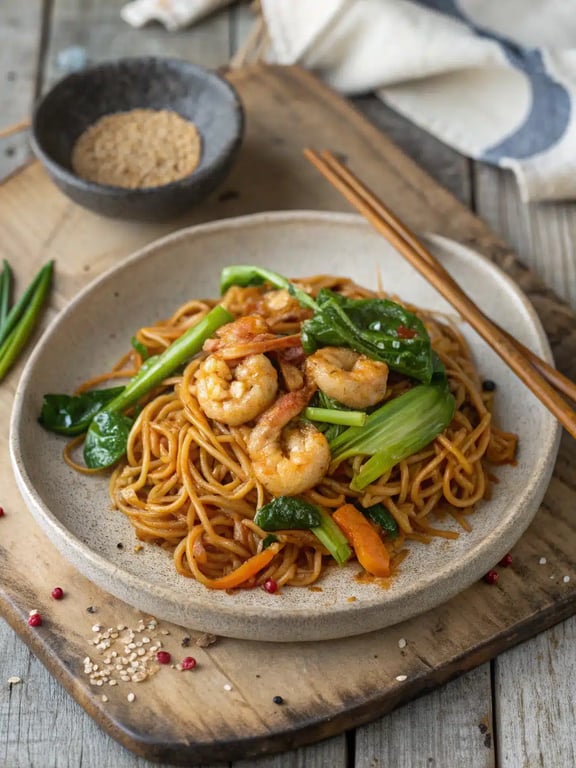
With just a handful of simple ingredients, pan fried noodles deliver an incredible contrast of textures and savory flavors that make them a weeknight hero. We're talking about tender-crisp vegetables, chewy chow mein noodles, and that irresistible golden-brown crust that forms in the skillet.
What Makes pan fried noodles So Special
With just a handful of simple ingredients, pan fried noodles deliver an incredible contrast of textures and savory flavors that make them a weeknight hero. We’re talking about tender-crisp vegetables, chewy chow mein noodles, and that irresistible golden-brown crust that forms in the skillet. It’s the kind of meal that answers the question, “What’s for dinner?” with a satisfying, restaurant-quality stir fry you can make at home. During our testing, we found that the key to perfect pan fried noodles is patience during the crisping step—don’t stir them too soon! Letting that crust develop fully makes all the difference between a good dish and a great one. You’re going to be amazed at how simple it is to create this classic comfort food in your own kitchen.
This post may contain affiliate recommendations. Please see our disclosure policy.
What You’ll Find in This Article
Ingredients for pan fried noodles
Here’s everything you’ll need to create this fantastic pan fried noodles dish. We love how these simple, fresh ingredients come together to create something truly special.- 8 ounces dried chow mein noodles
- 3 tablespoons vegetable oil
- 1 small yellow onion, thinly sliced
- 2 cloves garlic, minced
- 1 cup shredded green cabbage
- 1 medium carrot, julienned
- 2 tablespoons soy sauce
- 1 tablespoon oyster sauce
- 1 teaspoon toasted sesame oil
- 2 green onions, thinly sliced
Cook Time for stir fry noodles
We’ve timed this recipe repeatedly in our test kitchen, and we’re happy to report that these delicious stir fry noodles come together in about 30 minutes from start to finish. This makes them perfect for a busy weeknight when you’re craving something satisfying but don’t have hours to spend cooking. Your prep time will be about 10 minutes, and the active cooking time is around 15 minutes. Consequently, you’ll have a complete meal on the table in less time than it takes for delivery to arrive!How to Make vegetable lo mein
Follow these steps to create your own amazing vegetable lo mein at home. We’ve broken down the process to make it as straightforward as possible, even if you’re new to stir-frying.Step 1: Cook the Noodles
Cook the dried chow mein noodles according to package directions until al dente, then drain thoroughly and rinse with cold water to stop the cooking process.Step 2: Create the Crispy Crust
Heat 1 tablespoon of vegetable oil in a large non-stick skillet or wok over medium-high heat until shimmering. Add the cooked noodles, spreading them into an even layer, and cook without stirring for 3-4 minutes until a golden-brown crust forms on the bottom.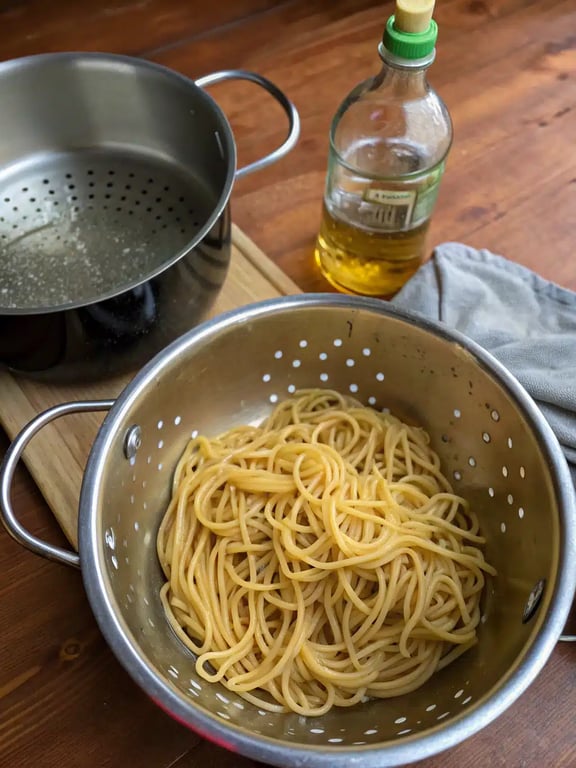
Step 3: Flip and Crisp
Flip the noodle pancake in sections to crisp the other side for another 2-3 minutes, then break it up into pieces with your spatula and transfer to a plate.Step 4: Sauté the Aromatics
In the same skillet, heat the remaining 2 tablespoons of vegetable oil. Add the sliced onion and cook for 2 minutes until softened, then stir in the garlic and cook for 30 seconds until fragrant.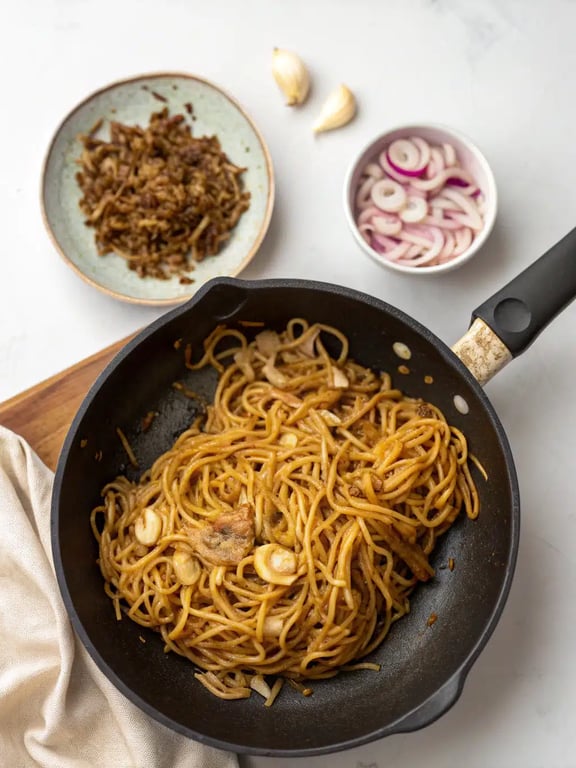
Step 5: Add the Vegetables
Add the shredded cabbage and julienned carrot to the skillet and stir-fry for 3-4 minutes until the vegetables are tender-crisp and brightly colored.Step 6: Combine and Sauce
Return the crispy noodles to the skillet, pouring the soy sauce, oyster sauce, and sesame oil over everything. Toss vigorously for 1-2 minutes until the noodles are heated through and evenly coated in the sauce.Step 7: Finish and Serve
Remove from heat, stir in the sliced green onions, and serve immediately while the noodles are still hot and crisp.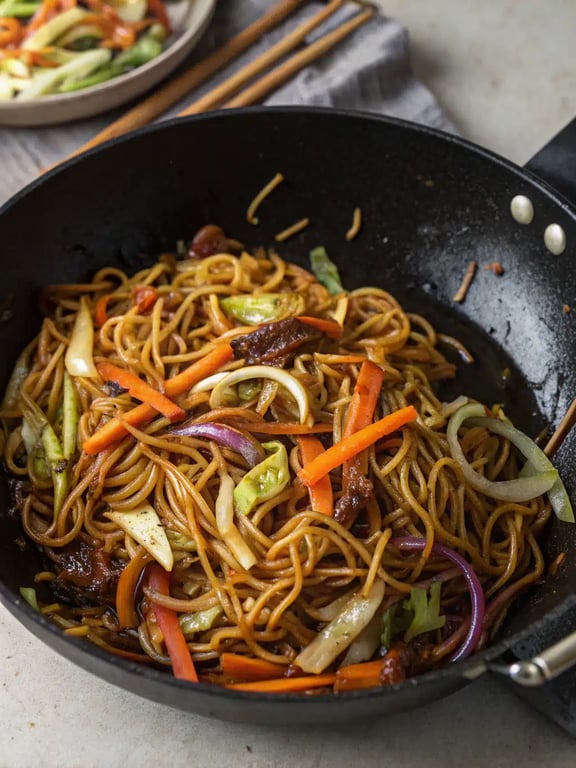
Pro Tips & Tasty Tweaks
After making this recipe dozens of times, we’ve gathered some insights to help you achieve the best possible results. Here are our favorite tips for perfect pan fried noodles every time.- Flavor Swap: For a different flavor profile, try using hoisin sauce instead of oyster sauce for a slightly sweeter, richer taste.
- Heat Adjustment: If your pan seems too hot and the noodles are browning too quickly, don’t hesitate to reduce the heat to medium. It’s better to cook them a bit slower than to burn them.
- Texture Fix: Make sure to thoroughly drain your cooked noodles and even pat them dry with a paper towel. Excess water will steam the noodles instead of letting them crisp up properly.
- Storage Tip: Leftovers keep well in an airtight container in the refrigerator for up to 3 days. Reheat in a skillet over medium heat to restore some of the crispness—the microwave will make them soft.
Flavor & Texture Notes
When you make this dish correctly, you’ll experience a wonderful symphony of flavors and textures that makes these pan fried noodles so addictive. The savory notes from the soy and oyster sauce create a deeply umami base, while the toasted sesame oil adds a nutty fragrance that ties everything together. Texture-wise, you’re aiming for a perfect balance. The noodles should have distinct crispy edges and a chewy interior, while the vegetables remain tender-crisp with a slight bite. When you hear that satisfying sizzle as the sauce hits the hot pan, you’ll know you’re on the right track to creating exceptional sesame noodles.Variations & Substitutions
One of the things we love most about this pan fried noodles recipe is how adaptable it is to what you have on hand. Don’t be afraid to make it your own with these simple variations we’ve tested in our kitchen. For additional protein, try adding thinly sliced beef sausage or shredded cooked chicken during step 4. Alternatively, for a different vegetable profile, bell peppers, snap peas, or broccoli florets work beautifully in place of or in addition to the cabbage and carrot. If you prefer a different noodle, fresh lo mein noodles or even spaghetti can stand in for the chow mein noodles—just adjust the cooking time accordingly. Finally, for a flavor twist, a splash of rice vinegar or a teaspoon of chili garlic sauce can add brightness or heat to suit your taste.How to Serve pan fried noodles
We love how versatile these pan fried noodles are when it comes to serving. You can enjoy them as a satisfying standalone meal or pair them with your favorite proteins for a more substantial dinner. During our team tastings, we found that serving them immediately is key to preserving that wonderful contrast between the crispy edges and the chewy interior of the chow mein noodles. For a complete meal experience, consider these simple pairings. A light cucumber salad or steamed edamame makes a refreshing side that complements the rich, savory flavors of your vegetable lo mein. If you’re serving a crowd, these stir fry noodles also pair beautifully with other Asian-inspired dishes. We always garnish with extra sliced green onions and a sprinkle of sesame seeds for that restaurant-quality finish. The visual appeal makes these sesame noodles even more inviting at the dinner table.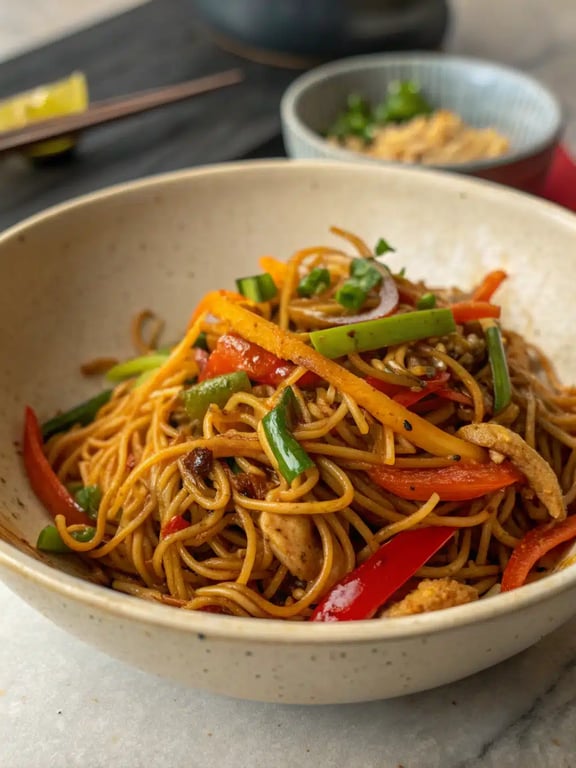
Mistakes to Avoid
After testing this recipe countless times, we’ve identified a few common pitfalls that can affect your final dish. Understanding these mistakes will help you create perfect pan fried noodles every time. One frequent issue we encountered was overcrowding the pan. If you’ve ever wondered why your noodles turned out steamed rather than crispy, this is likely the culprit. Always use a large enough skillet or wok to give your chow mein noodles plenty of space to develop that golden crust. Another common mistake involves the sauce timing—adding the sauce too early can make your noodles soggy instead of maintaining that desirable crisp-tender texture. We also learned that skipping the noodle-rinsing step leads to sticky results. Rinsing the cooked noodles with cold water removes excess starch and prevents them from clumping together. Additionally, constantly stirring the noodles during the initial crisping phase prevents proper browning. Be patient and let them develop that crust before flipping. Finally, using the wrong heat level can either burn your noodles or leave them limp—medium-high heat gives you the perfect balance for crispy stir fry noodles. By avoiding these simple errors, you’ll consistently achieve restaurant-quality vegetable lo mein with the perfect texture and flavor balance we all love.How to Store pan fried noodles
Proper storage makes all the difference in enjoying your leftovers. We’ve tested various methods and found that these pan fried noodles store surprisingly well when handled correctly. During our kitchen experiments, we discovered that the key to good leftovers is rapid cooling. Transfer your cooked noodles to shallow containers within an hour of cooking and refrigerate promptly. This helps maintain food safety and preserves the texture of your chow mein noodles. Your stored vegetable lo mein will keep well in the refrigerator for up to three days. For reheating, we strongly recommend using a skillet rather than a microwave. Simply heat a tablespoon of oil in your pan over medium heat and stir-fry the leftovers until heated through and re-crisped. This method restores much of the original texture that makes these stir fry noodles so special. While you can freeze them, we generally don’t recommend it as the vegetables tend to become watery upon thawing, affecting the overall quality of your sesame noodles.Try This pan fried noodles Yourself
We genuinely believe this is one of those recipes that will become a regular in your dinner rotation. There’s something incredibly satisfying about creating restaurant-quality pan fried noodles in your own kitchen with simple, accessible ingredients. During our team testing, what surprised us most was how this dish brought everyone together—it became our go-to meal during busy weeknights when we needed something both comforting and quick. The process of crisping the chow mein noodles and watching the vegetables become tender-crisp never gets old. We think you’ll find the same joy in mastering this technique and making it your own. So gather your ingredients and give these stir fry noodles a try this week. We’re confident this vegetable lo mein will become a new family favorite that you’ll return to again and again. The combination of textures and flavors in these sesame noodles is truly special, and we can’t wait for you to experience it.Pan Fried Noodles
With just a handful of simple ingredients, pan fried noodles deliver an incredible contrast of textures and savory flavors that make them a weeknight hero. We're talking about tender-crisp vegetables, chewy chow mein noodles, and that irresistible golden-brown crust that forms in the skillet.
Ingredients
Equipment
Method
- Cook the dried chow mein noodles according to package directions until al dente, then drain thoroughly and rinse with cold water to stop the cooking process.
- Heat 1 tablespoon of vegetable oil in a large non-stick skillet or wok over medium-high heat until shimmering. Add the cooked noodles, spreading them into an even layer, and cook without stirring for 3-4 minutes until a golden-brown crust forms on the bottom.
- Flip the noodle pancake in sections to crisp the other side for another 2-3 minutes, then break it up into pieces with your spatula and transfer to a plate.
- In the same skillet, heat the remaining 2 tablespoons of vegetable oil. Add the sliced onion and cook for 2 minutes until softened, then stir in the garlic and cook for 30 seconds until fragrant.
- Add the shredded cabbage and julienned carrot to the skillet and stir-fry for 3-4 minutes until the vegetables are tender-crisp and brightly colored.
- Return the crispy noodles to the skillet, pouring the soy sauce, oyster sauce, and sesame oil over everything. Toss vigorously for 1-2 minutes until the noodles are heated through and evenly coated in the sauce.
- Remove from heat, stir in the sliced green onions, and serve immediately while the noodles are still hot and crisp.
Nutrition
Notes
For a different flavor profile, try using hoisin sauce instead of oyster sauce for a slightly sweeter, richer taste. Make sure to thoroughly drain your cooked noodles and even pat them dry with a paper towel. Excess water will steam the noodles instead of letting them crisp up properly. Leftovers keep well in an airtight container in the refrigerator for up to 3 days. Reheat in a skillet over medium heat to restore some of the crispness—the microwave will make them soft.
Tried this recipe?
Let us know how it was!Enjoyed the recipe? Share it!
Kitchen Essentials We Recommend
Tools that make cooking easier — tried, tested, and loved.


As an Amazon Associate we earn from qualifying purchases.
Got a recipe the world should try?
Share your favorite family recipe or national dish with food lovers in 100+ countries.
Submit Your RecipeFrequently Asked Questions
Can I use different vegetables in pan fried noodles?
Absolutely! The beauty of this vegetable lo mein is its adaptability. We frequently test with bell peppers, snap peas, broccoli, or mushrooms. Just remember to adjust cooking times based on vegetable density—softer vegetables need less time than harder ones to maintain that perfect tender-crisp texture alongside your chow mein noodles.
How do I prevent my noodles from sticking together?
Thoroughly rinsing your cooked noodles with cold water is the key step we always emphasize. This removes excess starch that causes sticking. Additionally, make sure to toss the noodles with a little oil before crisping them if you’re not proceeding directly to the cooking step. This simple technique ensures your stir fry noodles stay separate and perfect.
What’s the best way to get crispy noodles?
Patience and proper heat management create the perfect crispness. We found that spreading the noodles in an even layer and resisting the urge to stir for the first few minutes is crucial. Also, ensure your pan is properly preheated and that you’ve thoroughly drained the cooked chow mein noodles—any excess moisture will steam them rather than fry them to crispy perfection.
Can I make pan fried noodles ahead of time?
While we prefer serving them immediately for optimal texture, you can prep components ahead. Cook and rinse the noodles, then toss with a teaspoon of oil and refrigerate. Chop vegetables and mix the sauce separately. When ready to cook, everything comes together quickly. The finished stir fry noodles reheat surprisingly well in a skillet, though they’re best fresh.