By Grace
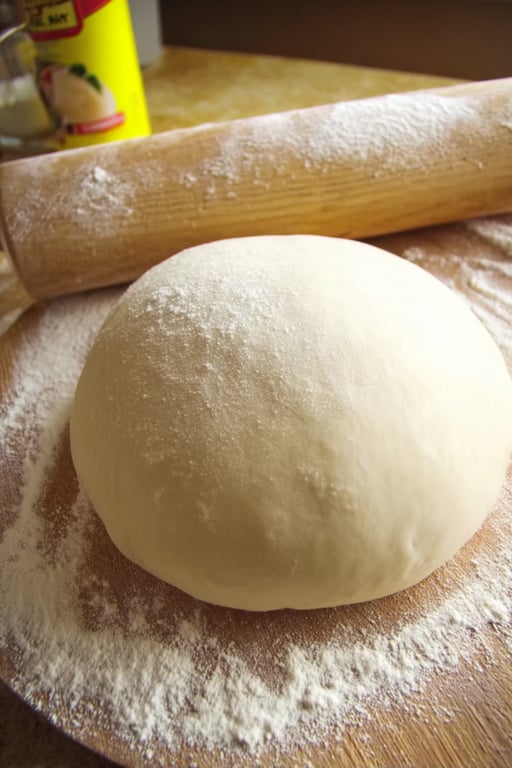
We make this Italian pizza dough whenever we want a soft, authentic crust that tastes like it came from a real pizzeria. The yeast is bloomed first, then built into a soft, slightly tacky dough with bread flour and olive oil, and proofed until doubled. That is real food for real life, simple, soft, and full of authentic flavor, the perfect homemade base for a fun pizza night any time. Making your own crust from scratch means you control the texture and flavor, and it tastes worlds better than anything store-bought.
What makes this Italian pizza dough so good is not the ingredients but the technique. Blooming the yeast first and adding the salt after the flour gives the dough a strong, reliable rise. The result is soft inside with lightly crisp edges. It is the kind of authentic, reliable recipe everyone will want to master. With a little care and a short proof, a soft, pizzeria-style crust is well within reach at home.

Soft inside with lightly crisp edges, this Italian pizza dough is the authentic homemade base for a great pizza night.
Why You Will Love This Italian Pizza Dough
- It is authentic. This Italian pizza dough tastes like a real pizzeria.
- It is soft. You get a soft interior with lightly crisp edges.
- It is simple. Just a few pantry ingredients and a little time.
- It is reliable. Blooming the yeast gives a strong, steady rise.
- It is versatile. Use it for pizza, calzones, or breadsticks.
What Makes This Italian Pizza Dough So Good
It starts with blooming the yeast. Dissolving the yeast in warm water with a little sugar until a thick foam forms confirms it is active, giving this Italian pizza dough a strong, reliable start.
Then comes the order of the ingredients. Adding the salt and oil after the first cup of flour protects the yeast, since salt can slow it down, helping this pizza dough rise beautifully.
Finally, the bread flour and olive oil tie it all together. Bread flour gives the dough its elastic, chewy structure, while olive oil adds a fragrant, tender quality to this Italian pizza dough. The high protein in bread flour is what helps the crust stretch and hold its shape so beautifully.

Optional Pro Tip: Focus on the Feel
The secret to a great Italian pizza dough is focusing on the feel rather than exact measurements. Add the remaining flour gradually until the dough is soft and just slightly tacky. Because humidity and flour vary, the feel of the dough is a far better guide than a precise number.
It also helps to make sure the yeast blooms before you begin. A thick foam on top of the water means the yeast is alive and ready. If there is no foam, the water was likely too hot or too cold, so it is best to start fresh for the best Italian pizza dough. Taking a moment to confirm the yeast is active saves you from a dough that will not rise.
Tips for the Best Italian Pizza Dough
- Use warm water. Warm, not hot, water blooms the yeast safely.
- Wait for foam. A thick foam means the yeast is active.
- Add salt later. Adding it after the first flour protects the yeast.
- Use bread flour. It gives the dough its chewy, elastic structure.
- Add flour by feel. Aim for soft and slightly tacky, not dry.
- Do not over flour. Too much flour makes the crust tough.
- Oil your hands. Lightly oiled hands make shaping easier.
- Let it double. Proof until the dough has doubled in size.

Variations and Add Ins
This dough is easy to adapt. Here are a few simple ways to make this Italian pizza dough your own.
- Use 00 flour. Italian 00 flour gives the most authentic texture.
- Cold ferment it. Chill it a day or two for deeper flavor.
- Add herbs. Stir dried oregano or basil into the dough.
- Add garlic. A little garlic powder adds savory flavor.
- Divide it. Make smaller balls for individual pizzas.
- Make calzones. Fold it over a savory filling.
- Make breadsticks. Cut and twist it into easy breadsticks.
- Make focaccia. Press it into a pan for a soft, dimpled bread.
How to Store and Freeze
This Italian pizza dough is wonderful to make ahead. Place it in a lightly oiled bowl or bag and refrigerate it for a day or two. The slow, cold rise actually deepens the flavor, so a little patience rewards you with an even better crust. Many pizza lovers swear that a longer, cold ferment is the real secret to a great-tasting base.
For longer storage, shape the dough into balls, coat each lightly in oil, wrap well, and freeze for up to three months. When you are ready, thaw it in the refrigerator, then let this Italian pizza dough come to room temperature before shaping for easy stretching.

Serving Suggestions for Italian Pizza Dough
This Italian pizza dough is the perfect canvas for a classic pizza. Stretch it out, spread it with a fresh sauce, add cheese and toppings, and bake until the edges are golden for a soft, authentic crust everyone will love. A great homemade crust truly makes the whole pizza taste better.
It is also lovely for a make-your-own pizza night. Stretch out the rounds, set out bowls of sauce, cheese, and toppings, and let everyone build their own. Round out the meal with a crisp green salad on the side.
- As a classic pizza. Top with sauce, cheese, and your favorites.
- As a Margherita. Keep it simple with sauce, mozzarella, and basil.
- As calzones. Fold it over a savory filling.
- With a salad. A crisp green salad rounds out the meal.
Frequently Asked Questions
What flour should I use?
Bread flour gives a chewy, elastic crust, and Italian 00 flour is the most authentic choice. Both make a wonderful pizza base.
Why bloom the yeast first?
Blooming confirms the yeast is alive and gives the dough a strong start. A thick foam on the water means it is active and ready to use.
Why add salt after the flour?
Salt can slow down or harm the yeast. Adding it after the first cup of flour keeps the salt and yeast from working against each other.
How warm should the water be?
It should be warm to the touch, not hot. Water that is too hot can harm the yeast, while water that is too cold will not activate it.
How do I know it has proofed enough?
The dough should double in size, usually in about forty-five minutes to an hour. You will feel little air bubbles when it is ready.
Can I use active dry yeast?
Yes, and blooming it in the warm water is exactly the method this recipe uses, so it works beautifully for this dough.
Can I make it ahead?
Absolutely. Refrigerate it for a day or two for deeper flavor, or freeze it. Bring it to room temperature before shaping.
Why is my dough too sticky?
Add a little more flour, a bit at a time, until it is soft and slightly tacky. Avoid adding too much, which can make the crust tough.
Can I use it for other recipes?
Yes. This dough is wonderful for calzones, breadsticks, and focaccia, making it a versatile base for many homemade favorites.
How many pizzas does it make?
It makes one good-sized crust, or you can divide it into smaller balls for individual personal-sized pizzas.
An Authentic, Soft Favorite
Soft, authentic, and surprisingly simple, this Italian pizza dough is the kind of recipe you will reach for again and again. It is reliable, rewarding, and the perfect start to a fun, homemade pizza night any day of the week.
Once your crust is ready, top it with a fresh sauce, like our pizza sauce, for a truly homemade pizza. However you top it, we truly hope this Italian pizza dough brings a little warmth and flavor to your table.
Results vary by ingredients, equipment, and cooking conditions. Always taste and adjust as you go.
Italian Pizza Dough
Ingredients
Equipment
Method
- Bloom yeast in warm water with dissolved sugar.
- Allow yeast to bloom until a thick foam has developed on top of the water.
- Add the liquid to a mixing bowl and add 1 cup of flour. Combine well.
- Once the first cup of flour is incorporated, add the salt and olive oil. Combine.
- Add the remaining flour until a soft, slightly tacky dough is achieved.
- Proof until the dough has doubled in size, approximately 45 minutes to 1 hour.
Nutrition
Tried this recipe?
Let us know how it was!Enjoyed the recipe? Share it!

Kitchen Essentials We Recommend
Tools that make cooking easier — tried, tested, and loved.


As an Amazon Associate we earn from qualifying purchases.
Got a recipe the world should try?
Share your favorite family recipe or national dish with food lovers in 100+ countries.
Submit Your Recipe