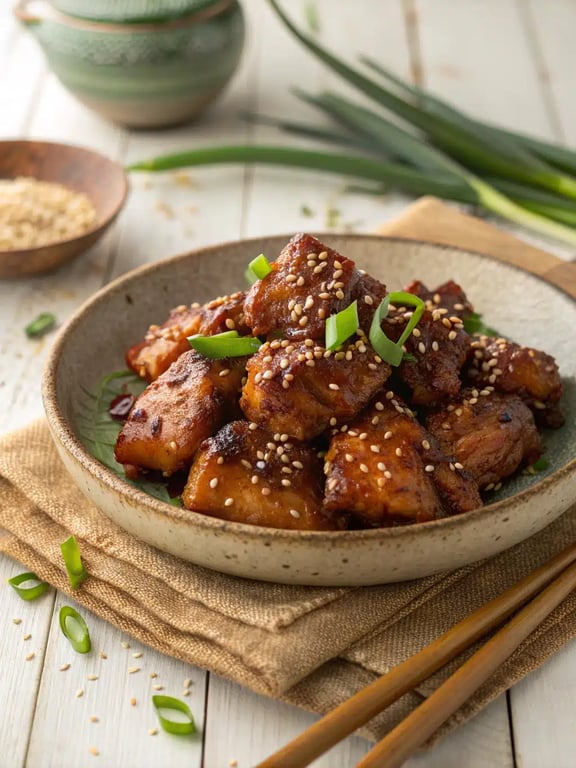
With just a handful of simple ingredients, this Hawaiian shoyu chicken delivers a flavor experience that’s both deeply comforting and incredibly vibrant. It’s all about the perfect balance of savory, sweet, and a hint of tang, creating a rich, glossy sauce that clings to tender, juicy chicken thighs.
What Makes Hawaiian Shoyu Chicken So Special
With just a handful of simple ingredients, this Hawaiian shoyu chicken delivers a flavor experience that’s both deeply comforting and incredibly vibrant. It’s all about the perfect balance of savory, sweet, and a hint of tang, creating a rich, glossy sauce that clings to tender, juicy chicken thighs. This Hawaiian chicken recipe is the kind of meal that feels like a warm hug, perfect for a busy weeknight or a relaxed weekend dinner. During our testing, we found that the key to the best shoyu chicken marinade is patience. Letting the chicken simmer gently in the sauce, rather than rushing it over high heat, allows the flavors to penetrate deeply and the meat to become fall-apart tender. It’s simpler than it looks, and the result is so rewarding you’ll find yourself making it again and again!
This post may contain affiliate recommendations. Please see our disclosure policy.
What You’ll Find in This Article
Ingredients for Hawaiian Shoyu Chicken
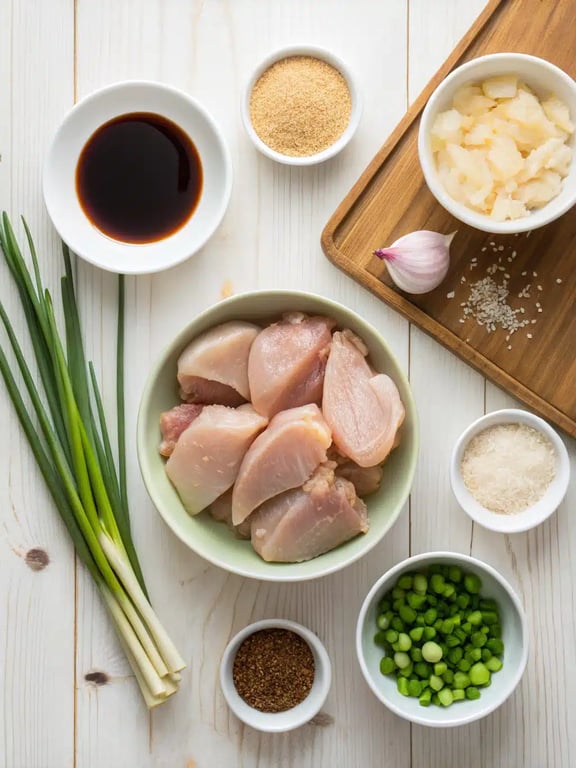
Here’s everything you’ll need to create this classic sweet soy chicken. We love using boneless, skinless chicken thighs for their rich flavor and ability to stay juicy, but the magic is truly in the simple, balanced sauce.- 2 pounds boneless, skinless chicken thighs
- 1 cup soy sauce
- 1 cup water
- 3/4 cup packed brown sugar
- 1/2 cup thinly sliced green onions
- 1/4 cup apple cider vinegar
- 3 cloves garlic, minced
- 1 tablespoon grated fresh ginger
- 1 tablespoon vegetable oil
- 1 teaspoon toasted sesame oil
- 1/2 teaspoon crushed red pepper flakes
Cook Time for Hawaiian Shoyu Chicken
We’ve timed this recipe repeatedly in our test kitchen to give you the most accurate estimates. While the hands-on work is minimal, the gentle simmering is what builds the incredible flavor in this shoyu chicken marinade. Plan for about an hour from start to finish, with most of that time being hands-off.- Prep Time: 10 minutes
- Cook Time: 50-60 minutes
- Total Time: About 1 hour 10 minutes
How to Make Hawaiian Shoyu Chicken
Follow these simple steps for a foolproof batch of this beloved Hawaiian chicken recipe. We’ll guide you through searing, simmering, and saucing to ensure perfect results every time.1. Make the Sauce
In a medium bowl, whisk together the soy sauce, water, brown sugar, apple cider vinegar, minced garlic, grated ginger, and red pepper flakes until the sugar is mostly dissolved.2. Sear the Chicken
Pat the chicken thighs dry with paper towels. Heat the vegetable oil in a large, heavy-bottomed pot or Dutch oven over medium-high heat. Sear the chicken in batches until golden brown on both sides, about 3-4 minutes per side, transferring to a plate.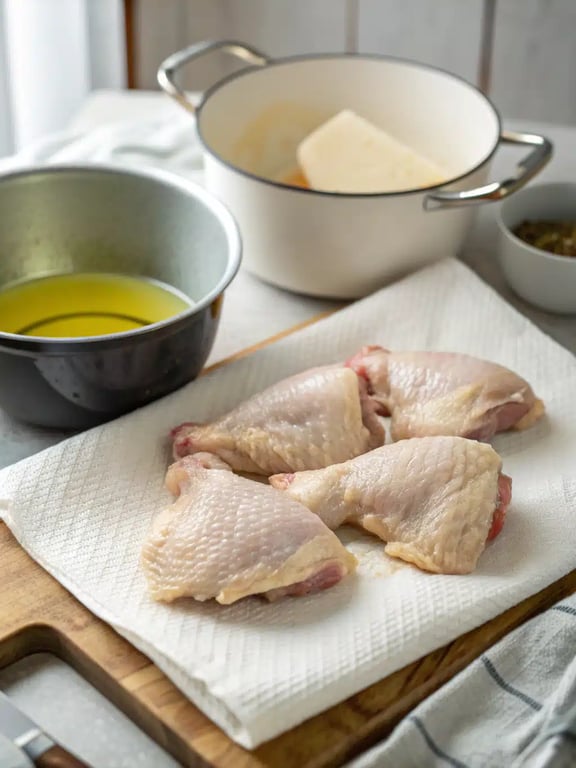
3. Combine and Simmer
Pour off any excess fat from the pot. Return all the chicken and any accumulated juices to the pot. Pour the prepared sauce over the chicken.4. Braise Until Tender
Bring the liquid to a boil, then immediately reduce the heat to low to maintain a gentle simmer. Cover the pot and let the chicken cook for 30 minutes.5. Reduce the Sauce
After 30 minutes, remove the lid and continue to simmer uncovered for another 20-30 minutes, until the sauce has reduced and thickened slightly and the chicken is very tender.6. Finish and Serve
Stir in the toasted sesame oil. Taste the sauce and adjust seasoning if needed—it will be salty and sweet. Serve the chicken and sauce over steamed rice, garnished generously with the sliced green onions.Pro Tips & Tasty Tweaks
After making this Hawaiian shoyu chicken countless times, we’ve gathered our favorite insights to help you master it. Here are a few team-approved tips to ensure success.- Flavor Swap: For a different aromatic note, try swapping the fresh ginger for a couple of star anise pods added during the simmer.
- Timing Adjustment: If your sauce isn’t thickening enough in the final uncovered simmer, increase the heat just slightly to a more active bubble.
- Prep Fix: Don’t skip patting the chicken dry! A dry surface is the secret to getting that perfect, golden sear instead of steaming the meat.
- Storage Tip: This dish stores and reheats beautifully. The flavors meld even more overnight. Reheat gently on the stovetop with a splash of water to loosen the sauce.
Flavor & Texture Notes
When you make this Hawaiian shoyu chicken correctly, you’ll be greeted by a symphony of savory, sweet, and umami notes. The first thing you’ll notice is the rich, appetizing aroma of garlic, ginger, and soy sauce caramelizing with brown sugar. Texture is key here. The chicken thighs should be so tender that they practically fall apart with a fork, having absorbed the flavorful braising liquid. The sauce itself will be glossy and slightly syrupy from the reduction, coating each piece of chicken and your rice perfectly. It’s a classic example of a Hawaiian chicken recipe that’s both simple and deeply satisfying.Variations & Substitutions
One of the things we love about this sweet soy chicken is its adaptability. While the classic version is perfect as-is, feel free to make it your own with these team-tested ideas. For a Hawaiian grilled chicken variation, use the same marinade but reserve half of it before adding the vinegar. Marinate the chicken for up to 4 hours, then grill over medium heat, basting with the reserved, unused marinade. You can also add a tablespoon of pineapple juice to the sauce for a subtle tropical sweetness that complements the savory soy. If you prefer a thicker, glaze-like sauce similar to teriyaki chicken thighs, mix a tablespoon of cornstarch with two tablespoons of cold water and stir it in during the last 5 minutes of cooking. Don’t have apple cider vinegar? Rice vinegar or even a squeeze of fresh lime juice will work beautifully. For a less sweet profile, you can reduce the brown sugar by a quarter cup. The goal is to balance the salty soy to your personal taste.Make-Ahead & Scaling
We love a recipe that respects your time, and this Hawaiian shoyu chicken is a fantastic candidate for planning ahead. In our test kitchen, we found that the sauce can be whisked together up to two days in advance and stored in the fridge. This not only saves you a step on a busy night but also gives the garlic and ginger time to infuse the liquid, creating an even more flavorful shoyu chicken marinade. For scaling, this recipe is wonderfully flexible. To double it for a crowd, simply use a larger pot (like a heavy-duty stockpot) to ensure the chicken still simmers in a single layer. Conversely, you can easily halve the recipe for a smaller household using a large skillet. The cook times will remain roughly the same, as the key is the gentle simmer that tenderizes the meat. Just keep an eye on the sauce reduction in the final stage—it may happen a bit faster with a smaller batch. A quick note on texture: if you make the entire dish ahead and reheat it, the chicken will be incredibly tender, almost shredding into the sauce. We think it’s delicious this way, but if you prefer distinct pieces, reheat it gently and avoid vigorous stirring.How to Serve Hawaiian Shoyu Chicken
After all that simmering, it’s time for the best part: serving up this glorious sweet soy chicken. In our team dinners, we’ve learned that a little thoughtfulness in plating turns a simple meal into a special occasion. The classic and our favorite way is to spoon the tender chicken and plenty of that glossy sauce over a big mound of steamed white rice. The rice soaks up every drop of flavor, creating the perfect bite every time. For sides, we often keep it simple and fresh to balance the rich, savory notes. A crisp cucumber salad with a rice vinegar dressing or some quickly sautéed greens like bok choy or spinach are perfect companions. If you’re feeling the island vibe, a side of macaroni salad is a beloved local pairing. And don’t forget the garnish! Those sliced green onions add a necessary pop of color and a fresh, sharp finish that cuts through the richness beautifully. One of our favorite team insights? We always make extra rice. Without fail, someone goes back for seconds just to enjoy more of that incredible sauce. It’s that good.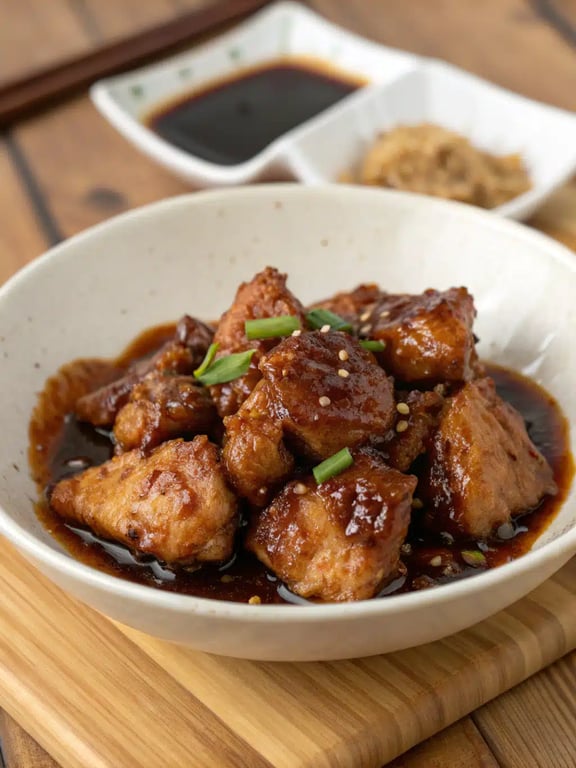
Mistakes to Avoid
We’ve made—and seen—all the common mistakes so you don’t have to. Avoiding these simple pitfalls will guarantee your Hawaiian chicken recipe turns out perfectly every single time. First, don’t rush the sear. If you crowd the pot, the chicken will steam instead of developing that beautiful golden-brown crust. Sear in batches for the best flavor foundation. Second, avoid boiling the chicken. Once you add the sauce, bring it just to a boil and then immediately reduce to that gentle, lazy simmer. A rolling boil will make the meat tough and stringy. Another common hiccup is skipping the sauce reduction. That final 20-30 minutes of uncovered simmering is crucial for concentrating the flavors and thickening the sauce into a glossy coating. If you cover it the whole time, you’ll end up with a watery broth. Finally, be cautious with salt adjustments. The soy sauce is plenty salty, and the reduction intensifies it. Always taste at the end, after the sesame oil is stirred in, before considering any extra salt. By keeping these tips in mind, you’ll master this comforting hawaiian shoyu chicken with ease. It’s all about low, slow heat and a little patience.How to Store Hawaiian Shoyu Chicken
Good news: this dish might be even better the next day. During our testing, we found the flavors meld and deepen beautifully overnight in the fridge. Let the chicken and sauce cool completely, then transfer it to an airtight container. It will keep well for up to 4 days. For freezing, we recommend storing the hawaiian shoyu chicken in its sauce. Portion it into freezer-safe containers or bags, leaving a little space for expansion. It will keep for up to 3 months. Thaw overnight in the refrigerator before reheating. Our preferred reheating method is on the stovetop over low heat. Add a splash of water or chicken broth to loosen the sauce as it warms. You can also use the microwave, reheating in 30-second intervals and stirring in between to ensure even heating. The goal is to warm it gently without further cooking the chicken, keeping it tender and juicy.Try This Hawaiian Shoyu Chicken Yourself
We genuinely hope you give this hawaiian shoyu chicken a try in your own kitchen. It’s the kind of recipe that builds confidence—simple enough for a Tuesday night but impressive enough for weekend guests. We’ve shared it with countless friends and family, and it’s always met with requests for the recipe. One of our team’s favorite moments is the quiet “wow” that happens when someone takes their first bite. The combination of savory, sweet, and tender is just so satisfying. This Hawaiian chicken recipe has earned a permanent spot in our regular rotation, and we think it will in yours, too. So, gather those simple ingredients, fire up the stove, and get ready for a truly delicious meal. We’re excited for you to experience it!Hawaiian Shoyu Chicken
With just a handful of simple ingredients, this Hawaiian shoyu chicken delivers a flavor experience that’s both deeply comforting and incredibly vibrant. It’s all about the perfect balance of savory, sweet, and a hint of tang, creating a rich, glossy sauce that clings to tender, juicy chicken thighs.
Ingredients
Equipment
Method
- In a medium bowl, whisk together the soy sauce, water, brown sugar, apple cider vinegar, minced garlic, grated ginger, and red pepper flakes until the sugar is mostly dissolved.
- Pat the chicken thighs dry with paper towels. Heat the vegetable oil in a large, heavy-bottomed pot or Dutch oven over medium-high heat. Sear the chicken in batches until golden brown on both sides, about 3-4 minutes per side, transferring to a plate.
- Pour off any excess fat from the pot. Return all the chicken and any accumulated juices to the pot. Pour the prepared sauce over the chicken.
- Bring the liquid to a boil, then immediately reduce the heat to low to maintain a gentle simmer. Cover the pot and let the chicken cook for 30 minutes.
- After 30 minutes, remove the lid and continue to simmer uncovered for another 20-30 minutes, until the sauce has reduced and thickened slightly and the chicken is very tender.
- Stir in the toasted sesame oil. Taste the sauce and adjust seasoning if needed. Serve the chicken and sauce over steamed rice, garnished generously with the sliced green onions.
Nutrition
Notes
Pro Tips: Pat the chicken dry for a perfect sear. Don't rush the simmer—low, slow heat makes the chicken tender. The sauce thickens as it reduces. For a thicker glaze, mix 1 tbsp cornstarch with 2 tbsp cold water and stir in during the last 5 minutes of cooking.
Storage: Store in an airtight container in the fridge for up to 4 days, or freeze for up to 3 months. Reheat gently on the stovetop with a splash of water.
Tried this recipe?
Let us know how it was!Enjoyed the recipe? Share it!

Kitchen Essentials We Recommend
Tools that make cooking easier — tried, tested, and loved.


As an Amazon Associate we earn from qualifying purchases.
Got a recipe the world should try?
Share your favorite family recipe or national dish with food lovers in 100+ countries.
Submit Your RecipeFrequently Asked Questions
Can I use chicken breasts instead of thighs?
You can, but we strongly recommend sticking with thighs for this hawaiian shoyu chicken. Chicken breasts are leaner and can easily become dry during the braising process. Thighs stay incredibly juicy and tender, standing up to the longer cook time and absorbing the sauce perfectly.
How do I make my shoyu chicken sauce thicker?
The sauce thickens naturally as it reduces during the final simmer. If you’d like it even thicker, like a glaze, make a slurry by mixing one tablespoon of cornstarch with two tablespoons of cold water. Stir this into the simmering sauce during the last 5 minutes of cooking until it thickens to your liking.
What’s the best way to get a good sear on the chicken?
The secret is a dry surface and a hot pan. Pat the chicken thighs thoroughly dry with paper towels before they hit the oil. Also, make sure not to crowd the pot—sear in batches. This ensures the chicken browns instead of steaming, building a deep flavor base for your sweet soy chicken.
Can I cook shoyu chicken in a slow cooker?
Absolutely. For a hands-off approach, sear the chicken as directed, then transfer it and the sauce to a slow cooker. Cook on low for 5-6 hours. To thicken the sauce at the end, you can transfer it to a saucepan to simmer and reduce, or use the cornstarch slurry method mentioned above.