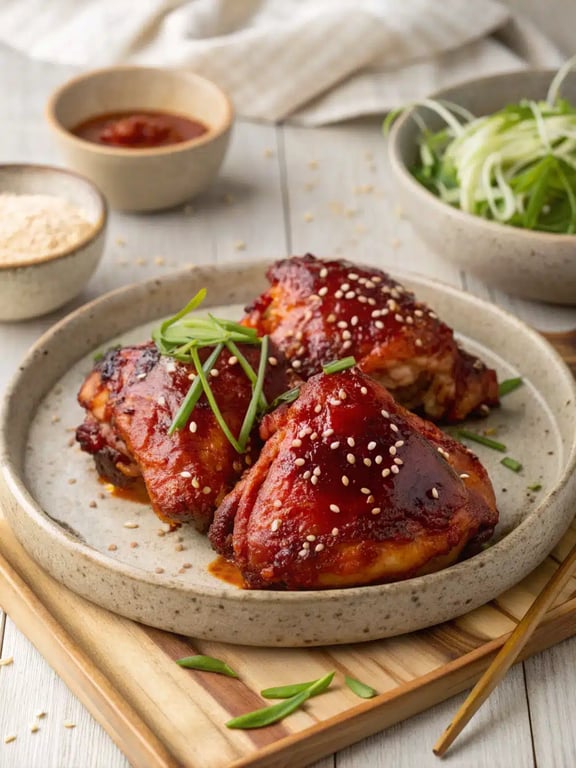
With just a handful of simple ingredients, these gochujang chicken thighs deliver a flavor explosion that’s deeply savory, perfectly sweet, and has a gentle, warming heat. The magic lies in the gochujang, a Korean red chili paste that builds a complex, glossy sauce clinging to juicy, tender chicken thighs. It’s a one-pan wonder that feels restaurant-worthy but comes together in your own kitchen with minimal fuss.
What Makes gochujang chicken thighs So Special
With just a handful of simple ingredients, these gochujang chicken thighs deliver a flavor explosion that’s deeply savory, perfectly sweet, and has a gentle, warming heat. The magic lies in the gochujang, a Korean red chili paste that builds a complex, glossy sauce clinging to juicy, tender chicken thighs. It’s a one-pan wonder that feels restaurant-worthy but comes together in your own kitchen with minimal fuss. During our testing, we found that the key to the best texture is letting the chicken rest after cooking. This simple pause allows the juices to redistribute, ensuring every bite of these spicy chicken thighs is incredibly moist. Trust us, it’s a step you won’t want to skip. You’re going to love how impressive this Korean chicken thighs recipe is, yet how straightforward it truly is to make!
This post may contain affiliate recommendations. Please see our disclosure policy.
What You’ll Find in This Article
Ingredients for gochujang chicken thighs
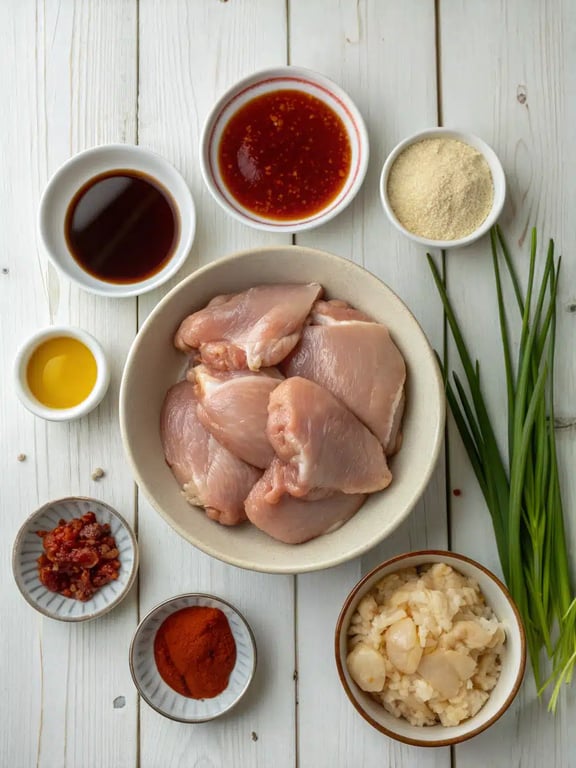
Here’s everything you’ll need to make this incredibly flavorful dish. We love how each component plays a role, from building the base heat to adding the final aromatic touch.- 1 ½ pounds boneless, skinless chicken thighs
- 3 tablespoons gochujang (Korean red chili paste)
- 2 tablespoons soy sauce
- 2 tablespoons honey
- 1 tablespoon toasted sesame oil
- 3 cloves garlic, minced
- 1 tablespoon finely grated fresh ginger
- 1 tablespoon rice vinegar
- 1 tablespoon neutral oil, such as avocado or vegetable oil
- 2 green onions, thinly sliced
- 1 teaspoon toasted sesame seeds
Cook Time for gochujang chicken
One of the things we appreciate most about this recipe is its perfect balance of hands-off marinating time and quick, active cooking. In total, you can have these delicious gochujang chicken thighs on the table in under an hour, with most of that time being passive. Here’s a quick breakdown to help you plan.- Prep Time: 10 minutes (plus 30 minutes to 4 hours marinating)
- Cook Time: 15 minutes
- Total Time: 55 minutes (with minimum marinate)
How to Make gochujang chicken
Follow these simple steps for perfectly cooked, saucy chicken thighs every time. We’ve included our team’s little insights along the way to guarantee your success.1. Make the Marinade
In a medium bowl, whisk together the gochujang, soy sauce, honey, sesame oil, minced garlic, grated ginger, and rice vinegar until a smooth, thick marinade forms.2. Marinate the Chicken
Pat the chicken thighs dry with paper towels and place them in a large resealable bag or shallow dish. Pour the marinade over the chicken, ensuring each piece is well coated. Seal the bag or cover the dish and marinate in the refrigerator for at least 30 minutes, or up to 4 hours for deeper flavor.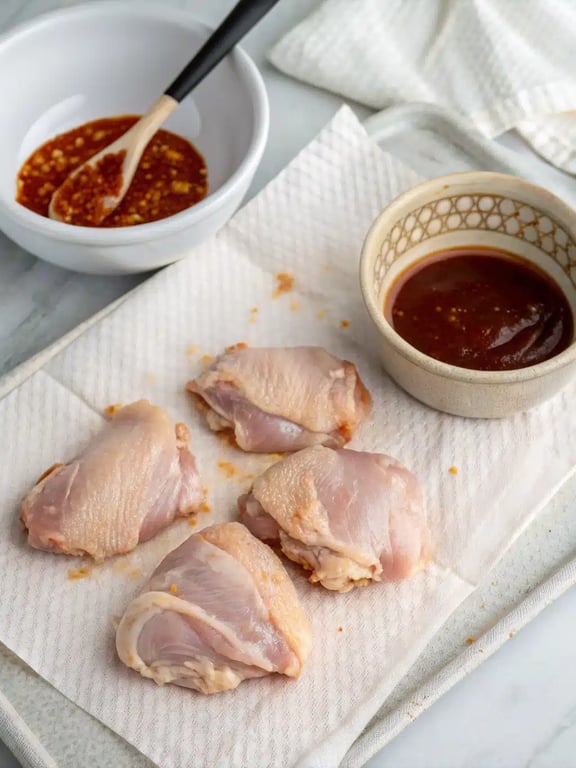
3. Cook the Chicken
Heat the neutral oil in a large skillet over medium-high heat. Once the oil is shimmering, remove the chicken from the marinade, letting excess drip off, and place it in the skillet. Reserve the remaining marinade.4. Brown and Rest
Cook the chicken for 5-7 minutes per side, or until deeply browned and cooked through, with an internal temperature of 165°F. Transfer the cooked chicken to a clean plate and let it rest for 5 minutes.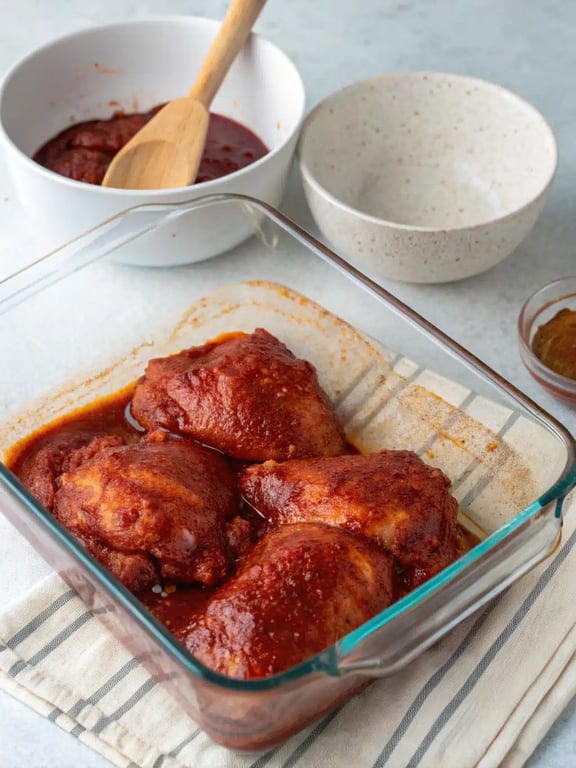
5. Make the Sauce
While the chicken rests, pour the reserved marinade into the still-hot skillet. Bring it to a simmer over medium heat, stirring constantly and scraping up any browned bits, and let it cook for 2-3 minutes until slightly thickened into a glossy sauce.6. Slice and Coat
Slice the rested chicken thighs against the grain. Return them to the skillet, tossing gently to coat in the sauce, or drizzle the sauce over the top.7. Garnish and Serve
Garnish the chicken with the sliced green onions and a sprinkle of toasted sesame seeds before serving.Pro Tips & Tasty Tweaks
After making this recipe dozens of times, our team has gathered a few favorite tricks to make your gochujang grilled chicken even better. Here’s what we recommend.- Flavor Swap: For a different sweet note, try maple syrup instead of honey. It adds a warm, rich depth that pairs beautifully with the spice.
- Heat Adjustment: If your skillet is smoking, the heat is too high. Don’t be afraid to lower it to medium to achieve a perfect sear without burning the marinade.
- Texture Fix: For extra crispy edges, make sure you pat the chicken thighs very dry before adding them to the marinade. This helps the sauce cling better and promotes browning.
- Storage Tip: Leftovers keep beautifully! Store them in an airtight container in the fridge for up to 3 days. Reheat gently in a skillet with a splash of water to revive the sauce.
Flavor & Texture Notes
When you get these gochujang chicken thighs just right, the experience is truly memorable. You can expect a beautiful harmony of flavors and textures that makes this dish so special. The first thing you’ll notice is the incredible aroma of toasted sesame and garlic hitting the pan. The cooked chicken should have a deep, caramelized crust from the honey and gochujang, giving way to incredibly juicy and tender meat inside. The sauce will be glossy, slightly sticky, and perfectly balanced—not just heat, but a roundness from the fermented chili paste, sweetness, and umami. A final sprinkle of green onion and sesame seeds adds a fresh bite and nutty crunch that completes every mouthful.Variations & Substitutions
We love this recipe as written, but we also encourage you to make it your own! Here are a few team-approved twists and swaps for your next batch of Korean chicken thighs.- For a creamy, milder version, stir a tablespoon or two of mayonnaise or plain yogurt into the finished sauce. It tames the heat and creates a luxurious, coating texture.
- Turn it into gochujang grilled chicken by cooking the marinated thighs on a preheated grill over medium heat. You’ll get fantastic smoky char marks that add another dimension of flavor.
- If you’re out of fresh ginger, ½ teaspoon of ground ginger works in a pinch, though the flavor will be slightly different. The fresh, zingy quality is worth the extra minute of grating if you can!
- Add vegetables directly to the skillet for a complete meal. After removing the cooked chicken, sauté bell peppers, onions, or broccoli in the same pan before making the sauce. Then proceed as directed.
- For a tangier kick, add an extra teaspoon of rice vinegar to the marinade, or finish the plated dish with a quick squeeze of fresh lime juice.
Make-Ahead & Scaling
We love a recipe that fits into a busy week, and these gochujang chicken thighs are wonderfully flexible. You can absolutely get a head start on the prep, and scaling the recipe up for a crowd is just as straightforward. Here’s how we manage it in our own kitchens. For make-ahead ease, the marinade can be whisked together and stored in the fridge for up to 3 days. You can even combine the chicken and marinade in a bag and let it marinate overnight—the flavor only gets better. If you’re cooking for a party, simply double or triple the recipe. Just be sure to cook the chicken in batches to avoid overcrowding the skillet, which steams the meat instead of giving you that beautiful sear. When reheating leftovers, a splash of water or broth in the skillet helps bring the glossy sauce back to life perfectly.How to Serve gochujang chicken thighs
One of our favorite parts of recipe testing is figuring out the perfect plate. These saucy, flavorful Korean chicken thighs are incredibly versatile, making dinner feel special with minimal effort. We often joke that the hardest part is deciding what to serve them with! For a classic, satisfying meal, we love pairing them with a big bowl of steamed jasmine rice to soak up every drop of the delicious sauce. A simple cucumber salad or quick-pickled vegetables add a refreshing, crunchy contrast that cuts through the richness beautifully. If you’re in the mood for something heartier, roasted broccoli or sautéed bok choy are fantastic sides. And don’t forget the final flourish—that extra sprinkle of green onions and sesame seeds makes all the difference. During one of our team dinners, we discovered that these spicy chicken thighs are also amazing tucked into warm tortillas or lettuce cups for a fun, hands-on meal. The possibilities are truly endless!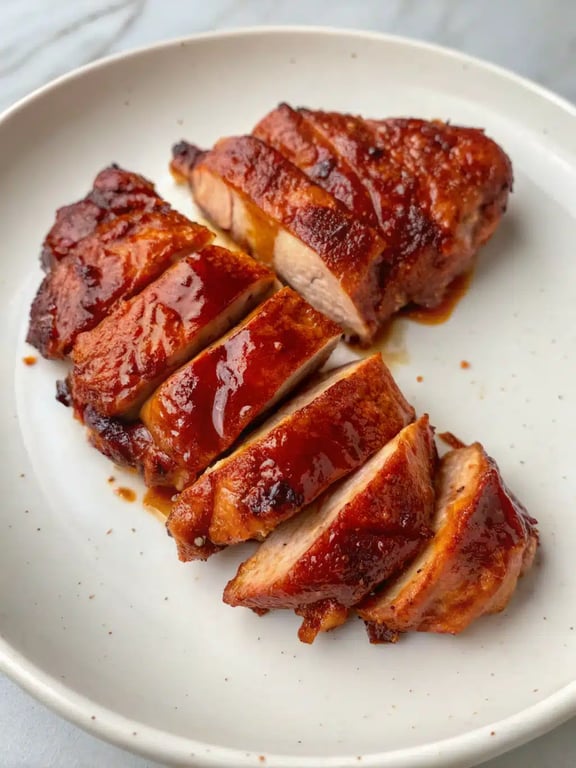
Mistakes to Avoid
We’ve made this recipe countless times, and along the way, we’ve learned what can trip you up. Avoiding these common pitfalls will guarantee your gochujang chicken turns out juicy, flavorful, and perfectly sauced every single time. First, don’t skip patting the chicken dry before marinating. If the chicken is wet, the marinade won’t cling as well, and you’ll miss out on that deep, caramelized crust we all love. Second, avoid cooking straight from the fridge. Let the marinated chicken sit on the counter for about 15 minutes before cooking; this helps it cook more evenly. Third, don’t discard that reserved marinade! It’s the base for your glossy sauce. Just be sure to simmer it for a full 2-3 minutes to cook out the raw garlic and ginger. Finally, resist the urge to cut into the chicken right away. Letting it rest for five minutes is the secret to keeping all those wonderful juices inside. Trust us, if you’ve ever ended up with chicken that’s dry or a sauce that’s too thin, one of these simple fixes is likely the answer. Following these tips will make your gochujang grilled chicken absolutely foolproof.How to Store gochujang chicken thighs
Good news: these gochujang chicken thighs store and reheat beautifully, making them a fantastic option for meal prep or enjoying leftovers. We always make a little extra because they taste just as good the next day. Let the chicken cool completely, then store it in an airtight container in the refrigerator for up to 3 days. To reheat, we prefer using a skillet over medium-low heat with a tablespoon or two of water or chicken broth. This gently warms the chicken and revives the sauce without drying it out. You can also reheat it in the microwave, covered, in 30-second intervals. While you can freeze the cooked chicken for up to 2 months, we find the texture of the thawed meat is best when used in soups, rice bowls, or wraps rather than served on its own.Try This gochujang chicken thighs Yourself
We genuinely hope you give this recipe a try in your own kitchen. It’s one of those dishes that consistently wows everyone at our table, and we’re confident it will become a favorite in your home, too. What we love most is how it balances bold, complex flavor with truly simple steps. Whether you’re new to cooking with gochujang or it’s a staple in your pantry, this recipe is a joyful, delicious way to enjoy it. So, grab your skillet and those simple ingredients—you’re just about an hour away from an incredible dinner. We’d love to hear how your gochujang chicken thighs turn out!Gochujang Chicken Thighs
With just a handful of simple ingredients, these gochujang chicken thighs deliver a flavor explosion that’s deeply savory, perfectly sweet, and has a gentle, warming heat. The magic lies in the gochujang, a Korean red chili paste that builds a complex, glossy sauce clinging to juicy, tender chicken thighs. It’s a one-pan wonder that feels restaurant-worthy but comes together in your own kitchen with minimal fuss.
Ingredients
Equipment
Method
- In a medium bowl, whisk together the gochujang, soy sauce, honey, sesame oil, minced garlic, grated ginger, and rice vinegar until a smooth, thick marinade forms.
- Pat the chicken thighs dry with paper towels and place them in a large resealable bag or shallow dish. Pour the marinade over the chicken, ensuring each piece is well coated. Seal the bag or cover the dish and marinate in the refrigerator for at least 30 minutes, or up to 4 hours for deeper flavor.
- Heat the neutral oil in a large skillet over medium-high heat. Once the oil is shimmering, remove the chicken from the marinade, letting excess drip off, and place it in the skillet. Reserve the remaining marinade.
- Cook the chicken for 5-7 minutes per side, or until deeply browned and cooked through, with an internal temperature of 165°F. Transfer the cooked chicken to a clean plate and let it rest for 5 minutes.
- While the chicken rests, pour the reserved marinade into the still-hot skillet. Bring it to a simmer over medium heat, stirring constantly and scraping up any browned bits, and let it cook for 2-3 minutes until slightly thickened into a glossy sauce.
- Slice the rested chicken thighs against the grain. Return them to the skillet, tossing gently to coat in the sauce, or drizzle the sauce over the top.
- Garnish the chicken with the sliced green onions and a sprinkle of toasted sesame seeds before serving.
Nutrition
Notes
Pro Tips: For a different sweet note, try maple syrup instead of honey. If your skillet is smoking, lower the heat to medium. Pat the chicken very dry before marinating for crispier edges. Leftovers keep beautifully for up to 3 days; reheat gently in a skillet with a splash of water to revive the sauce.
Substitutions: For a creamy version, stir a tablespoon of mayonnaise or yogurt into the finished sauce. Use ½ tsp ground ginger if fresh is unavailable. Add vegetables like bell peppers or broccoli to the skillet after cooking the chicken for a complete meal.
Tried this recipe?
Let us know how it was!Enjoyed the recipe? Share it!

Kitchen Essentials We Recommend
Tools that make cooking easier — tried, tested, and loved.


As an Amazon Associate we earn from qualifying purchases.
Got a recipe the world should try?
Share your favorite family recipe or national dish with food lovers in 100+ countries.
Submit Your RecipeFrequently Asked Questions
Can I use chicken breasts instead of thighs?
You absolutely can, but keep a close eye on the cooking time. Chicken breasts are leaner and cook faster, so they can dry out if overcooked. We recommend pounding them to an even thickness and reducing the cook time to about 4-5 minutes per side, or until they reach 165°F internally.
How do I make the sauce thicker?
If you prefer a thicker, glaze-like sauce, let it simmer for an extra minute or two. You can also create a quick slurry by mixing a teaspoon of cornstarch with a tablespoon of cold water and stirring it into the simmering marinade. It will thicken up almost immediately.
What can I use if I don’t have gochujang?
While the unique fermented flavor of gochujang is hard to replicate, you can make a substitute in a pinch. Mix together 2 tablespoons of tomato paste, 1 tablespoon of chili garlic sauce, 1 teaspoon of sugar, and a splash of rice vinegar. The flavor profile will be different, but it will still be delicious.
Can I bake these instead of pan-frying?
Yes, baking is a great hands-off option. Place the marinated thighs on a parchment-lined baking sheet and bake at 400°F for 20-25 minutes, or until cooked through. For a glossy finish, brush them with extra marinade during the last 5 minutes of baking.