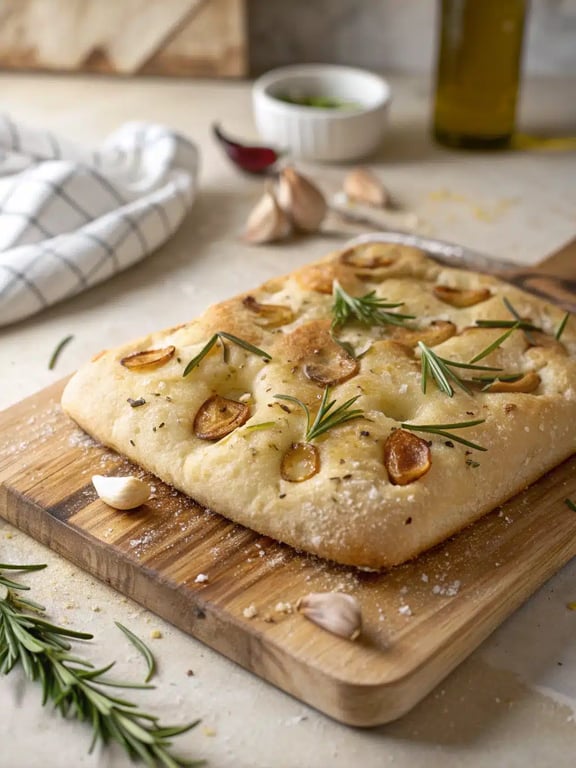
With just a handful of simple ingredients, this garlic rosemary focaccia delivers a sensory experience that’s hard to beat. Imagine a golden, crisp crust giving way to a soft, airy interior, all infused with the warm, savory fragrance of garlic and earthy rosemary. This easy focaccia bread is the kind of homemade treat that transforms a simple soup or salad into a feast.
What Makes Garlic Rosemary Focaccia So Special
With just a handful of simple ingredients, this garlic rosemary focaccia delivers a sensory experience that’s hard to beat. Imagine a golden, crisp crust giving way to a soft, airy interior, all infused with the warm, savory fragrance of garlic and earthy rosemary. This easy focaccia bread is the kind of homemade treat that transforms a simple soup or salad into a feast, and it’s surprisingly straightforward to make from scratch. During our testing, we learned a small but crucial secret: patience with the rise is everything. Letting the dough get truly puffy creates those signature air pockets and a wonderfully light texture. We promise, the wait is worth it. You’re going to be amazed at how professional your homemade focaccia recipe looks and tastes—it’s simpler than it looks!
This post may contain affiliate recommendations. Please see our disclosure policy.
What You’ll Find in This Article
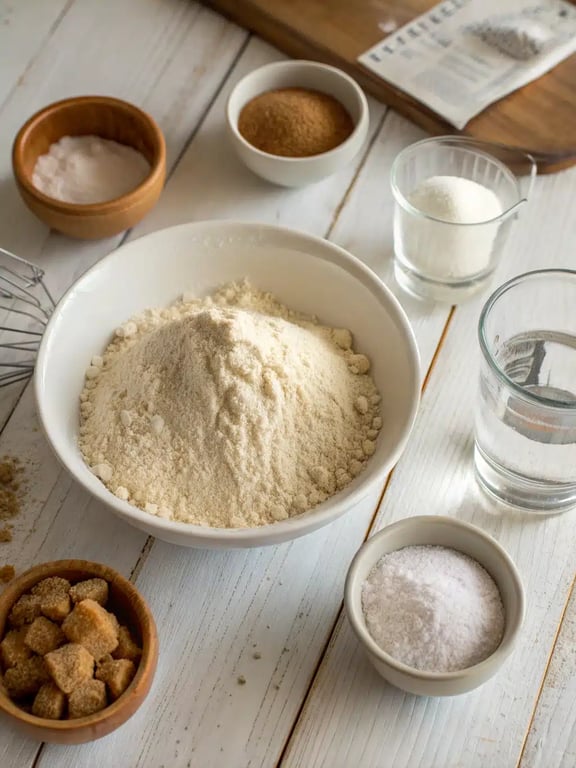
Ingredients for Garlic Rosemary Focaccia
Here’s everything you’ll need for this flavorful rosemary garlic bread. We love how these pantry staples come together to create something truly special.- 3 ½ cups all-purpose flour, plus more for dusting
- 1 ½ cups warm water (about 110°F)
- 2 ¼ teaspoons active dry yeast (one ¼-ounce packet)
- 1 tablespoon granulated sugar
- 1 ½ teaspoons kosher salt
- ⅓ cup extra-virgin olive oil, plus more for the bowl and pan
- 4 large cloves garlic, very thinly sliced
- 2 tablespoons fresh rosemary leaves, coarsely chopped
- Flaky sea salt, for sprinkling
Cook Time for Homemade Focaccia Recipe
Let’s talk timing for this focaccia dough recipe. While hands-on work is minimal, the magic happens during the rising periods. Here’s the breakdown we follow every time we make this garlic rosemary focaccia. Prep Time: 25 minutes (plus about 2 hours for rising) Cook Time: 20-25 minutes Total Time: About 2 hours 45 minutes to 3 hours Plan to start this project a few hours before you want to eat. The good news is that most of the time is hands-off, letting the yeast do its wonderful work.How to Make Easy Focaccia Bread
Follow these steps for a foolproof garlic rosemary focaccia. We’ve broken it down so you can see just how simple the process is.Step 1: Activate the Yeast
In a large bowl or the bowl of a stand mixer, combine the warm water, yeast, and sugar. Let it sit for about 5-10 minutes until foamy. Stir in ⅓ cup of the olive oil and the kosher salt.Step 2: Make the Dough
Gradually add the flour, mixing with a wooden spoon or the dough hook on low speed until a shaggy dough forms. Knead by hand on a lightly floured surface or with the dough hook for 5-7 minutes until the dough is smooth, elastic, and slightly tacky.Step 3: First Rise
Place the dough in a lightly oiled bowl, turning to coat. Cover with a damp kitchen towel or plastic wrap and let rise in a warm place until doubled in size, about 1 to 1 ½ hours.Step 4: Shape the Dough
Pour about 2 tablespoons of olive oil into a 13×9-inch baking sheet or rimmed half-sheet pan. Place the risen dough in the center and gently stretch and press it to fit the pan. If it resists, let it rest for 5 minutes, then continue stretching. Cover and let rise again for 30-45 minutes until puffy.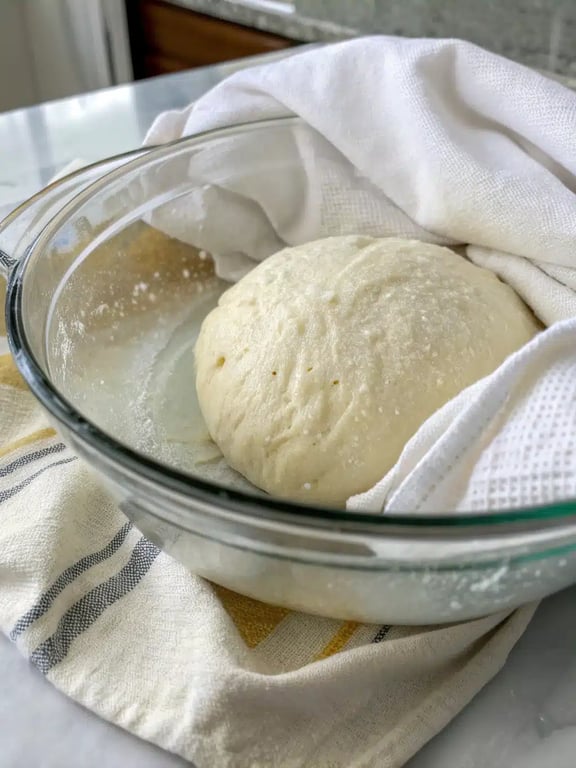
Step 5: Prepare the Topping
While the dough rises a second time, heat the remaining olive oil in a small skillet over low heat. Add the sliced garlic and cook gently for 2-3 minutes until fragrant but not browned. Remove from heat and stir in the chopped rosemary.Step 6: Dimple and Top
Preheat your oven to 425°F. Use your fingertips to dimple the dough all over, creating deep indentations. Evenly spoon the garlic-rosemary oil over the dough, letting it pool in the dimples. Generously sprinkle with flaky sea salt.Step 7: Bake
Bake for 20-25 minutes, rotating the pan halfway through, until the focaccia is deeply golden brown and sounds hollow when tapped on the bottom.Step 8: Cool and Serve
Let the focaccia cool in the pan on a wire rack for at least 10 minutes before slicing and serving. It’s best eaten the same day.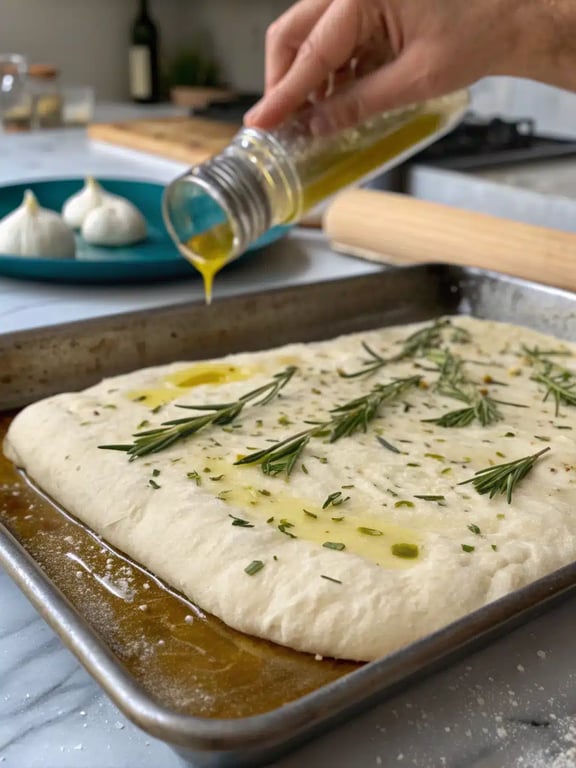
Pro Tips & Tasty Tweaks
After making this garlic rosemary focaccia countless times, we’ve gathered our favorite team insights to help you nail it on the first try.- Flavor Swap: For a different herb profile, try thyme or oregano instead of rosemary. You can also add a pinch of red pepper flakes to the garlic oil for a subtle kick.
- Timing/Heat Adjustment: If your kitchen is cool, place the bowl of dough in a turned-off oven with the light on for a cozy, draft-free rise. If the top browns too quickly, tent it loosely with foil.
- Prep/Texture Fix: Don’t skip the second rise in the pan! This final proof is key for a light, airy crumb. Be gentle when dimpling—you want to press down without deflating all the air.
- Storage/Reheat Tip: To revive day-old focaccia, sprinkle it lightly with water and warm it in a 350°F oven for 5-8 minutes. It will crisp up beautifully.
Flavor & Texture Notes
When you pull the perfect garlic rosemary focaccia from the oven, you’ll know it by sight, smell, and sound. The top should be a deep, inviting golden brown, with the rosemary and garlic slices lightly toasted. As it cools, you’ll hear a faint crackle from the crust. The texture is where this easy focaccia bread truly shines. We aim for a crisp, slightly chewy exterior that gives way to a tender, open crumb inside. Each dimple holds a little pool of fragrant oil, ensuring every bite is infused with flavor. When you tap the bottom, it should sound hollow—a sure sign it’s baked through. Ultimately, this rosemary garlic bread should feel substantial yet light, savory but not heavy, making it incredibly versatile.Variations & Substitutions
One of the joys of this focaccia dough recipe is how adaptable it is. While we adore the classic garlic and rosemary combo, feel free to make it your own with these team-approved ideas. For a sun-dried tomato and olive version, scatter a handful of chopped sun-dried tomatoes and sliced kalamata olives over the dough before adding the oil. Alternatively, a sprinkle of grated Parmesan or Asiago cheese in the last five minutes of baking adds a delicious, savory crust. If you love onions, thinly slice a sweet onion and caramelize it slowly before scattering it over the dimpled dough. Need a substitution? You can use rapid-rise yeast; just mix it directly with the flour and reduce the first rise time slightly. If you’re out of fresh rosemary, dried works in a pinch—use about 2 teaspoons, crumbled. For a whole-grain twist, substitute up to one cup of the all-purpose flour with whole wheat flour, noting the texture will be a bit denser.Make-Ahead & Scaling
We love that this homemade focaccia recipe is so flexible for planning. If you want to break up the work, you can absolutely prepare parts of it ahead of time. For instance, you can mix the dough, let it complete its first rise in the oiled bowl, and then gently punch it down, cover it tightly, and refrigerate it overnight. The next day, let it sit at room temperature for about 30 minutes before shaping it in the pan for its second rise. This slow, cold fermentation actually develops even more flavor in your focaccia dough recipe. When it comes to scaling, this easy focaccia bread is wonderfully adaptable. To make a smaller batch, simply halve all the ingredients and use a 9-inch square pan, reducing the bake time by a few minutes. For a larger crowd, you can double the recipe and divide the dough between two standard half-sheet pans. Just remember that the second rise time might be slightly shorter, so keep an eye on the dough’s puffiness rather than the clock. The key is to ensure the dough is stretched to an even thickness so it bakes uniformly.How to Serve Garlic Rosemary Focaccia
Fresh from the oven, this rosemary garlic bread is a star all on its own. We love tearing into it while it’s still warm, the steam carrying the incredible aroma of garlic and herbs. It’s the perfect centerpiece for a casual gathering, encouraging everyone to gather around and pull off a piece. In our testing, we found it pairs beautifully with so many meals. Serve it alongside a hearty bowl of tomato soup or a vibrant salad for a simple, satisfying lunch. For a more substantial dinner, it’s fantastic with roasted chicken, grilled vegetables, or a pasta dish, where it soaks up any extra sauce wonderfully. You can also slice it horizontally to make incredible sandwiches, especially with roasted vegetables and a spread of creamy cheese. One of our favorite team insights is to serve any leftover focaccia the next morning. Briefly toast a slice and top it with a soft-poached egg for a truly special breakfast. The combination of the crispy bread, runny yolk, and savory herbs is something we look forward to every time.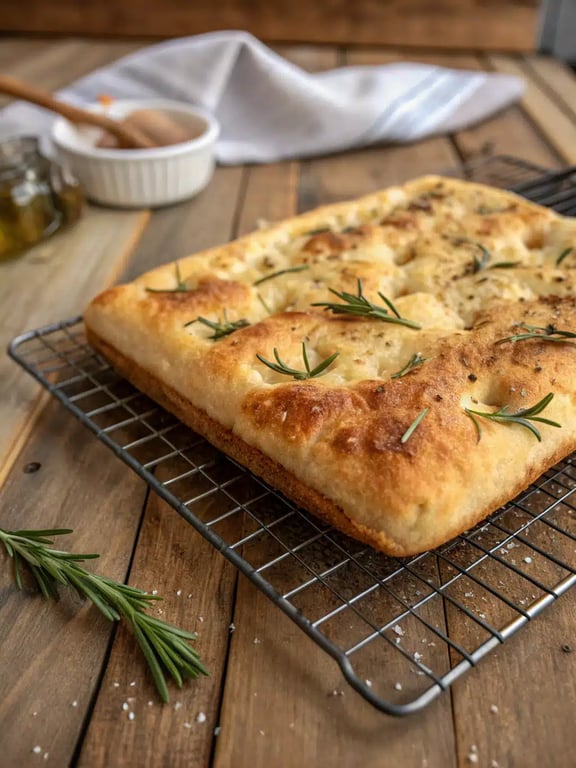
Mistakes to Avoid
We’ve made our share of focaccia over the years, and we’ve learned from every misstep. To help you achieve bakery-quality results with your first batch of garlic rosemary focaccia, here are a few common pitfalls and how to steer clear of them. First, using water that’s too hot is a classic error. If your water is hotter than about 110°F, it can kill the yeast, leaving you with a dense, flat loaf. Conversely, water that’s too cool won’t activate the yeast properly. A good rule of thumb is that the water should feel warm to the touch, not hot. Another frequent question we get is about the dough’s texture. If you’ve ever wondered why your homemade focaccia recipe turned out tough, over-kneading is often the culprit. You only need to knead until the dough is smooth and elastic; once it passes the windowpane test (you can stretch a small piece thin enough to see light through without tearing), you’re done. Overworking the dough develops too much gluten, leading to a chewy, bread-like texture instead of a light, airy crumb. Finally, don’t rush the rises. Patience is the secret ingredient in this easy focaccia bread. If the dough hasn’t truly doubled in size during the first rise or isn’t visibly puffy after the second rise in the pan, give it more time. Baking it too soon means you won’t get those beautiful, irregular air pockets that make focaccia so special. By avoiding these common mistakes, you’re setting yourself up for a perfect, golden loaf of rosemary garlic bread every single time.How to Store Garlic Rosemary Focaccia
Let’s be honest, this garlic rosemary focaccia is best enjoyed the day it’s made, when the crust is at its peak crispness. But if you have leftovers (a rare occurrence in our test kitchen!), proper storage will keep it tasting great. Our go-to method is to let the bread cool completely, then wrap it tightly in foil or place it in a large zip-top bag at room temperature for up to two days. We avoid refrigerating it, as the fridge tends to dry out the crumb and make the crust soft. For longer storage, freezing is your best friend. Slice the cooled focaccia, wrap individual portions or the whole loaf tightly in plastic wrap and then foil, and freeze for up to three months. When you’re ready to enjoy it again, reheat frozen slices directly in a 350°F oven or toaster oven until warm and crisp. A quick spritz of water on the surface before reheating can help revive the crust’s texture. This way, you can have a taste of your homemade focaccia recipe anytime a craving strikes.Try This Garlic Rosemary Focaccia Yourself
We truly hope you feel inspired to bake this garlic rosemary focaccia. There’s something incredibly rewarding about pulling a golden, fragrant loaf from your own oven. It’s a simple project that fills your kitchen with the most welcoming smell and delivers a result that feels both impressive and deeply comforting. Remember, this focaccia dough recipe is wonderfully forgiving. Don’t stress about making it look perfect; its rustic, dimpled charm is part of its beauty. Whether you’re making it for a weeknight dinner or a weekend gathering with friends, this easy focaccia bread is guaranteed to be a hit. So, gather your flour, yeast, and that bottle of good olive oil. Put on some music, and enjoy the peaceful, hands-on process. We promise, the moment you tear into that first warm piece, you’ll understand why this rosemary garlic bread has become a staple in our own homes.Garlic Rosemary Focaccia
With just a handful of simple ingredients, this garlic rosemary focaccia delivers a sensory experience that’s hard to beat. Imagine a golden, crisp crust giving way to a soft, airy interior, all infused with the warm, savory fragrance of garlic and earthy rosemary. This easy focaccia bread is the kind of homemade treat that transforms a simple soup or salad into a feast.
Ingredients
Equipment
Method
- In a large bowl or the bowl of a stand mixer, combine the warm water, yeast, and sugar. Let it sit for about 5-10 minutes until foamy. Stir in ⅓ cup of the olive oil and the kosher salt.
- Gradually add the flour, mixing with a wooden spoon or the dough hook on low speed until a shaggy dough forms. Knead by hand on a lightly floured surface or with the dough hook for 5-7 minutes until the dough is smooth, elastic, and slightly tacky.
- Place the dough in a lightly oiled bowl, turning to coat. Cover with a damp kitchen towel or plastic wrap and let rise in a warm place until doubled in size, about 1 to 1 ½ hours.
- Pour about 2 tablespoons of olive oil into a 13x9-inch baking sheet or rimmed half-sheet pan. Place the risen dough in the center and gently stretch and press it to fit the pan. If it resists, let it rest for 5 minutes, then continue stretching. Cover and let rise again for 30-45 minutes until puffy.
- While the dough rises a second time, heat the remaining olive oil in a small skillet over low heat. Add the sliced garlic and cook gently for 2-3 minutes until fragrant but not browned. Remove from heat and stir in the chopped rosemary.
- Preheat your oven to 425°F. Use your fingertips to dimple the dough all over, creating deep indentations. Evenly spoon the garlic-rosemary oil over the dough, letting it pool in the dimples. Generously sprinkle with flaky sea salt.
- Bake for 20-25 minutes, rotating the pan halfway through, until the focaccia is deeply golden brown and sounds hollow when tapped on the bottom.
- Let the focaccia cool in the pan on a wire rack for at least 10 minutes before slicing and serving. It's best eaten the same day.
Nutrition
Notes
Pro Tips: For a cool kitchen, let dough rise in a turned-off oven with the light on. Be gentle when dimpling to avoid deflating the dough. To revive day-old focaccia, sprinkle with water and warm in a 350°F oven for 5-8 minutes.
Substitutions: Use instant yeast mixed directly with flour. Dried rosemary (2 tsp) can substitute for fresh. For a whole-grain twist, substitute up to 1 cup all-purpose flour with whole wheat flour.
Tried this recipe?
Let us know how it was!Enjoyed the recipe? Share it!
Kitchen Essentials We Recommend
Tools that make cooking easier — tried, tested, and loved.


As an Amazon Associate we earn from qualifying purchases.
Got a recipe the world should try?
Share your favorite family recipe or national dish with food lovers in 100+ countries.
Submit Your RecipeFrequently Asked Questions
Can I use instant yeast instead of active dry yeast?
Absolutely. You can use instant yeast in this homemade focaccia recipe. Simply mix it directly in with the flour instead of activating it in water first. The rise times may be slightly faster, so keep an eye on the dough’s size rather than the clock.
Why is my focaccia dough so sticky?
A slightly tacky dough is normal for a great focaccia dough recipe, as it contributes to an open crumb. If it’s unmanageably sticky, you can add a tablespoon or two more flour while kneading. Remember, a well-oiled bowl and pan will prevent sticking during the rises and baking.
How do I know when the focaccia is done baking?
Your garlic rosemary focaccia is ready when the top is a deep, golden brown and the bottom sounds hollow when tapped. The internal temperature should register about 200–210°F on an instant-read thermometer. If the top is browning too quickly, tent it loosely with foil.
Can I make this dough in a bread machine?
Yes, you can use the dough cycle on your bread machine for this easy focaccia bread. Add the liquid ingredients first, then the dry, with the yeast last. Once the cycle is complete, proceed with shaping the dough in your oiled pan for its second rise.