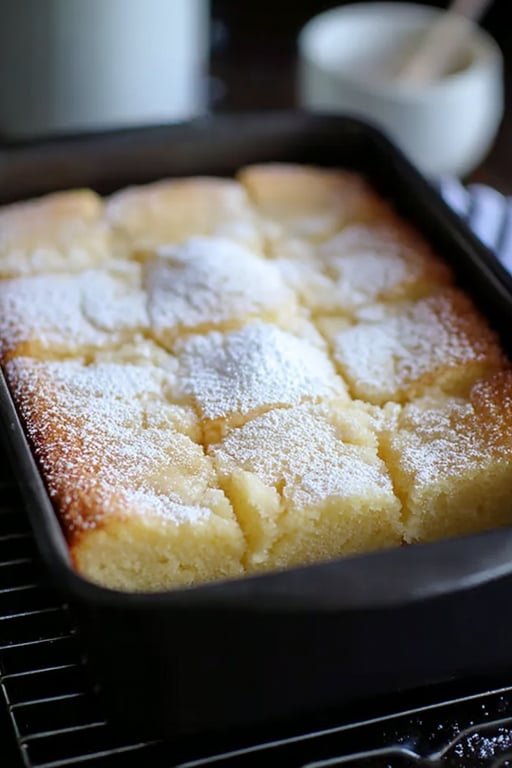
This french butter cake is one of our favorite simple, elegant cakes, a rich, golden, buttery cake with a tender crumb and pure vanilla flavor. For us, that kind of honest, classic baking is exactly what real food for real life is about. Made with just a handful of pantry staples, it needs no frosting, just a dusting of powdered sugar, and it is buttery, moist, and delicious enough to enjoy all on its own with a cup of coffee or tea.
Butter and sugar are creamed until light, then eggs, vanilla, flour, and a little milk are added to make a smooth, rich batter that bakes into a tender, golden cake. The combination of a buttery, moist crumb and simple vanilla flavor is what makes this cake so good. This french butter cake is a timeless, everyday treat.

A rich, golden, buttery cake with a tender crumb makes this french butter cake a simple, elegant classic.
Why You Will Love This French Butter Cake
- Rich and buttery. This french butter cake is all about pure butter flavor.
- Simple ingredients. It uses just a handful of pantry staples.
- No frosting needed. A dusting of powdered sugar is all it needs.
- Tender crumb. It is soft, moist, and melts in your mouth.
- Timeless. It is a classic that never goes out of style.
What Makes This French Butter Cake So Good
A great french butter cake starts with creaming butter and sugar. Beating softened butter with sugar until light and fluffy whips air into the batter, giving the cake a tender, even crumb. This step is the foundation of a good butter cake. The air it adds helps the cake rise softly. Using plenty of good butter gives it that rich flavor. That light, creamed base is the heart of this cake. Soft, room temperature butter holds the most air when it is beaten, and the quality of that butter really shows in a cake this simple and plain. It is what gives this french butter cake its tender texture. Creaming is the most important step in many cakes, beating air into the softened butter and sugar so the cake bakes up light rather than heavy. The more thoroughly the butter and sugar are beaten, the finer and more even the crumb will be.
Butter and vanilla make it rich. Using a generous amount of butter and pure vanilla gives the cake its signature rich, buttery, fragrant flavor. Butter is the star, so its flavor shines through in every bite. Vanilla adds warmth and depth. Pure vanilla makes a real, noticeable difference in such a simple cake, and a little milk loosens the batter so the crumb stays soft and even. A little milk keeps the crumb soft and moist. That rich, buttery flavor is what makes this french butter cake so good. It is simple but truly satisfying. The butter cake descends from the classic pound cake, which used equal weights of butter, flour, sugar, and eggs for a rich, dense loaf. Baking powder later made these cakes lighter and fluffier, and good butter is what carries all the flavor.
A tender crumb makes it special. Adding the eggs one at a time and folding in the flour gently creates a soft, even, melt in your mouth crumb. Beating the eggs in slowly keeps the batter smooth. Mixing the flour just until combined keeps it tender. The result is a fine, moist crumb. Beating the eggs in one at a time keeps the batter from splitting, and mixing the flour in gently is what protects that delicate, melt in your mouth texture. That soft, tender texture is exactly what makes this french butter cake so good. It is the kind of cake you cannot stop slicing. Adding the eggs gradually keeps the batter from separating, since each one needs time to blend into the fat. Alternating the flour with the milk keeps everything smooth and prevents the gluten from toughening the crumb.
Optional Pro Tip: Use Room Temperature Ingredients
Using room temperature butter, eggs, and milk is the secret to a french butter cake with a smooth batter and even crumb, since cold ingredients do not blend well and can make the batter curdle. Letting them sit out first makes all the difference. For the best french butter cake, do not overmix once the flour goes in, so the crumb stays tender. Creaming the butter well is key. It is done when golden and a pick comes out clean. Letting it cool fully before slicing keeps the tender crumb from crumbling.
Tips for the Best French Butter Cake
Use room temperature ingredients so this french butter cake has a smooth batter, and cream the butter and sugar well. Add the eggs one at a time. Do not overmix once the flour goes in.
Line the pan so this french butter cake releases cleanly, and cool it before slicing. Dust it with powdered sugar to finish. Serve it with coffee or tea. A serrated knife gives the neatest slices.
Variations and Add Ins
- Add citrus. Fold in lemon or orange zest.
- Add almond. Use a little almond extract.
- Top with berries. Serve with fresh berries and cream.
- Add a glaze. Drizzle with a simple vanilla glaze.
- Make it marble. Swirl in a little cocoa batter.
How to Store and Make Ahead
Store this french butter cake covered at room temperature for up to three days. Butter cakes are moist and keep well when covered. It actually tastes lovely the next day. It is a wonderful cake to have on hand. The high butter content keeps it moist and tender at room temperature for days.
To keep it longer, wrap this french butter cake well and freeze it for up to two months. Thaw it at room temperature before serving. Freezing keeps it fresh. A slice with coffee is a treat any time.
Serving Suggestions for French Butter Cake
Serve this french butter cake in slices, dusted with powdered sugar, with a cup of coffee or tea. A few fresh berries and a dollop of whipped cream make it feel special. It is lovely plain for the full buttery flavor. It is perfect for an afternoon treat or a simple dessert. Its plain, buttery flavor also makes it a lovely base for fruit, cream, or a light glaze.
This cake is a classic butter cake, a rich style of cake built on butter, sugar, eggs, and flour and considered a cornerstone of home baking, as described in this overview of butter cake. Letting the butter shine is exactly what makes this french butter cake so rich and satisfying.
Frequently Asked Questions
Why use room temperature ingredients?
Room temperature butter, eggs, and milk blend smoothly, giving this french butter cake an even crumb and keeping the batter from curdling.
Do I need to frost it?
No. A dusting of powdered sugar is all this french butter cake needs, though a glaze or berries are lovely too.
Why is my cake dense?
The butter and sugar may have been undercreamed, or the batter overmixed. Cream well and mix gently for a tender french butter cake.
Can I add flavors?
Yes. Lemon or orange zest, or a little almond extract, all pair beautifully with this french butter cake.
Can I make it ahead?
Yes. It keeps for a few days covered and tastes lovely the next day.
Can I freeze it?
Yes. Wrap this french butter cake well and freeze it for up to two months, then thaw at room temperature.
What pan should I use?
A round cake pan works well. Grease and line it so this french butter cake releases cleanly.
Can I use milk or cream?
Yes. Whole milk or heavy cream both work, with cream giving an even richer crumb.
How do I get clean slices?
Cool it fully and use a serrated knife for the neatest slices.
What should I serve with it?
Coffee, tea, fresh berries, whipped cream, or a dusting of powdered sugar all pair beautifully with this french butter cake.
A Rich, Buttery Classic Cake
This french butter cake turns a handful of simple ingredients into a rich, buttery, tender cake that needs nothing more than a dusting of powdered sugar. It is the kind of classic, everyday recipe that proves simple can be the most delicious. It shows a humble cake can taste truly elegant. One buttery, tender slice and you are hooked.
Add citrus, almond, or a simple glaze to make it your own, and serve this french butter cake with coffee, tea, or fresh berries. Rich, buttery, and timeless, it is a recipe that earns a regular place in your kitchen. It is the kind of cake everyone keeps coming back to.
If you love simple, comforting bakes like this, you will also enjoy our carrot cake with cream cheese frosting, another sweet, crowd pleasing favorite from our kitchen.
Results vary by ingredients, equipment, and cooking conditions. Always taste and adjust seasoning as you go.
French Butter Cake
Ingredients
Equipment
Method
- Preheat your oven to 350 F. Grease a 9 inch cake pan and line the bottom with parchment paper for easier release.
- Cream the butter and sugar together in a large bowl using a stand mixer or hand mixer. Beat for about 3 to 5 minutes, or until light and fluffy.
- Add the eggs one at a time, beating well after each addition.
- Stir in the vanilla extract, mixing until combined.
- In a separate bowl, whisk together the flour, baking powder, and salt. Gradually add the dry ingredients to the wet, mixing on low speed until just incorporated.
- Pour in the milk and mix until smooth.
- Transfer the batter to your prepared pan, smoothing the top with a spatula.
- Bake for 40 to 50 minutes, or until the cake is golden on top and a toothpick inserted in the center comes out clean.
- Let the cake cool in the pan for 10 to 15 minutes before transferring it to a wire rack to cool completely.
- Dust with powdered sugar, or serve plain for the full flavor experience.
Nutrition
Notes
Tried this recipe?
Let us know how it was!Enjoyed the recipe? Share it!

Kitchen Essentials We Recommend
Tools that make cooking easier — tried, tested, and loved.


As an Amazon Associate we earn from qualifying purchases.
Got a recipe the world should try?
Share your favorite family recipe or national dish with food lovers in 100+ countries.
Submit Your Recipe