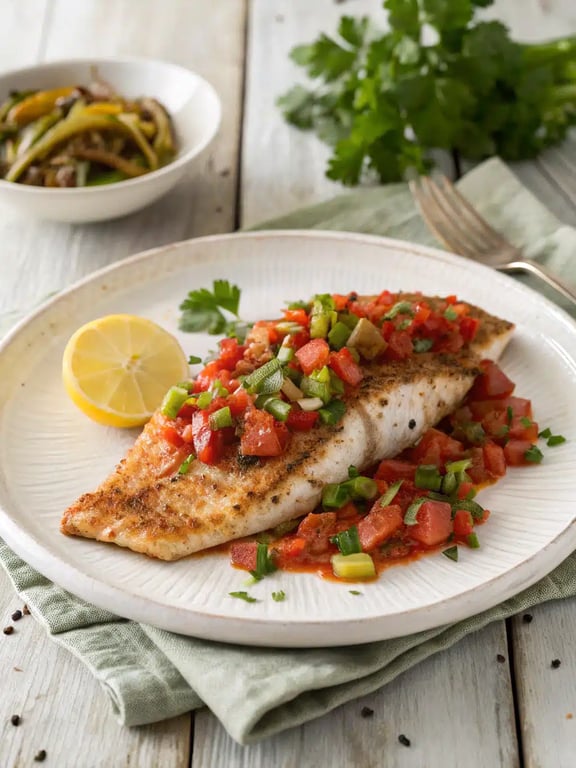
This vibrant Creole red snapper recipe features tender, flaky fish pan-fried to a golden crust and simmered in a rich, aromatic sauce built on the classic "holy trinity" of onion, bell pepper, and celery. It's a soul-satisfying, restaurant-worthy dish that's simpler than it looks, delivering a perfect balance of savory, slightly spicy, and deeply comforting flavors.
What Makes This Creole Red Snapper Recipe So Special
With just a handful of simple ingredients, this Creole red snapper recipe delivers a vibrant, soul-satisfying meal that feels like a celebration. We’re talking about tender, flaky fish, first pan fried to a beautiful golden crust, then simmered in a rich, aromatic sauce built on the classic “holy trinity” of onion, bell pepper, and celery. The result is a perfect balance of savory, slightly spicy, and deeply comforting flavors that come together in one skillet. During our team tests, we found the key to the best texture is a confident sear. Don’t be shy with the heat when you first add the snapper fillets—that initial sizzle creates a flavorful foundation that holds up beautifully in the sauce. Honestly, this creole fish recipe is simpler than it looks, and the payoff is a restaurant-worthy dish that will have everyone asking for seconds!
This post may contain affiliate recommendations. Please see our disclosure policy.
What You’ll Find in This Article
Ingredients for This Creole Red Snapper Recipe
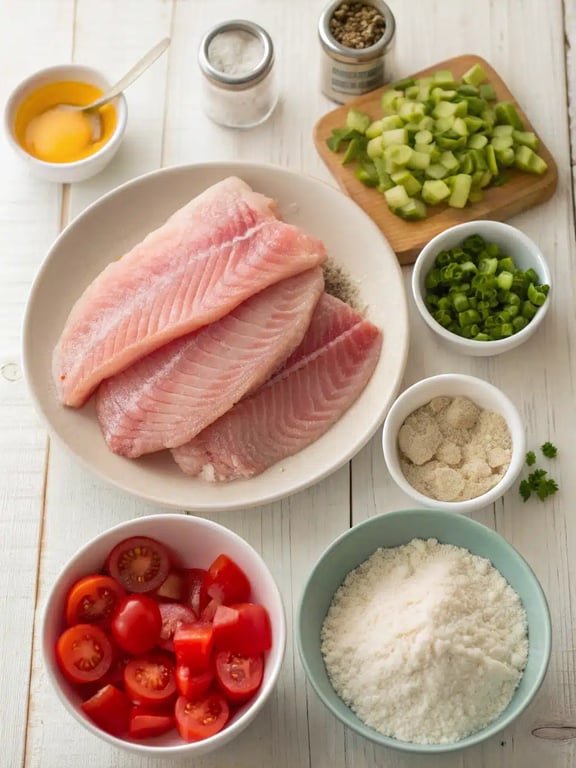
Here’s everything you’ll need to bring this flavorful dish to life. We love how accessible these ingredients are—you likely have many in your pantry already!- 1 ½ pounds red snapper fillets, skin-on or skinless
- 1 teaspoon kosher salt, plus more for seasoning
- ½ teaspoon freshly ground black pepper
- ¼ cup all-purpose flour
- 3 tablespoons unsalted butter, divided
- 1 tablespoon olive oil
- 1 medium yellow onion, finely diced
- 1 medium green bell pepper, finely diced
- 2 celery stalks, finely diced
- 3 cloves garlic, minced
- 1 (14.5-ounce) can diced tomatoes, undrained
- 1 cup seafood stock or chicken broth
- 2 teaspoons Creole seasoning
- 1 teaspoon dried thyme
- ½ teaspoon smoked paprika
- 2 bay leaves
- ¼ cup chopped fresh parsley
- Cooked white rice, for serving
- Hot sauce, for serving (optional)
Cook Time for Cajun Red Snapper
One of the best things about this Creole red snapper recipe is how quickly it comes together for a truly impressive meal. From start to finish, you can have this dish on the table in well under an hour. Here’s our team’s typical timeline: Prep Time: 15 minutes Cook Time: 25-30 minutes Total Time: 40-45 minutes Most of the active time is spent chopping the vegetables and searing the fish. After that, the dish simmers gently, giving you time to prepare your rice or set the table. It’s the perfect weeknight dinner solution that doesn’t skimp on flavor.How to Make Pan Fried Snapper with Creole Sauce
Follow these simple steps for a foolproof result. We’ve broken it down to make this creole fish recipe as approachable as possible.Step 1: Prepare the Fish
Pat the snapper fillets completely dry with paper towels. Season both sides generously with salt and pepper, then lightly dredge each fillet in the flour, shaking off any excess.Step 2: Sear the Snapper
In a large, deep skillet or Dutch oven, heat 1 tablespoon of the butter and the olive oil over medium-high heat. Once hot, add the snapper fillets and sear for 2-3 minutes per side until golden brown. Remove the fish to a clean plate and set aside.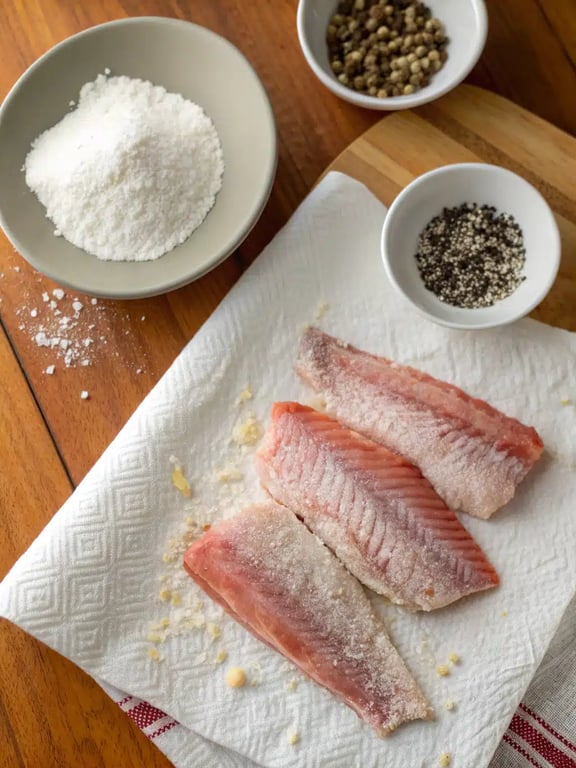
Step 3: Cook the Vegetables
Reduce the heat to medium. Add the remaining 2 tablespoons of butter to the skillet. Once melted, add the onion, bell pepper, and celery (the “holy trinity”). Cook, stirring occasionally, for 6-8 minutes until the vegetables are softened.Step 4: Build the Sauce
Stir in the minced garlic and cook for 1 minute until fragrant. Pour in the diced tomatoes with their juices, seafood stock, Creole seasoning, dried thyme, smoked paprika, and bay leaves. Bring the sauce to a simmer.Step 5: Simmer the Fish
Carefully nestle the seared snapper fillets back into the simmering sauce. Spoon some of the sauce over the top of the fish. Reduce heat to medium-low, cover the skillet, and let it cook for 8-10 minutes, or until the fish is opaque and flakes easily with a fork.Step 6: Finish and Serve
Remove the skillet from the heat. Discard the bay leaves. Taste the sauce and adjust seasoning with more salt or Creole seasoning if needed. Sprinkle the chopped parsley over the top. Serve the snapper and plenty of the vegetable sauce immediately over cooked white rice, with hot sauce on the side if desired.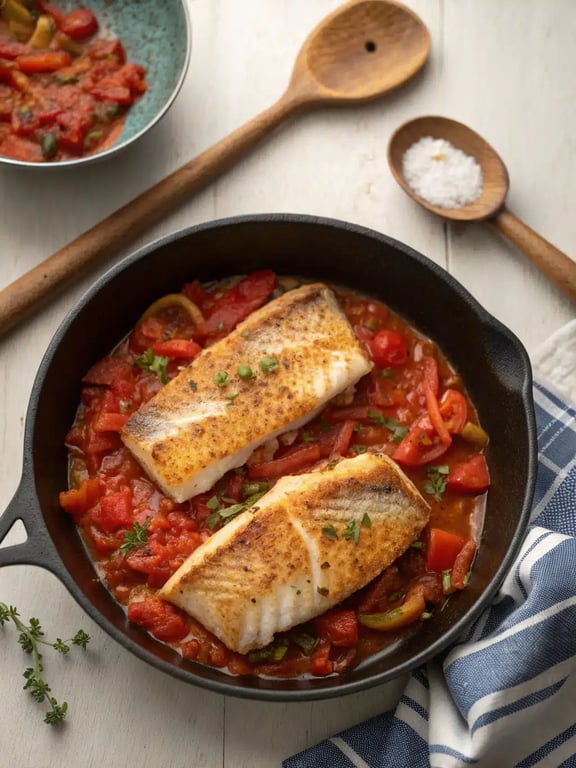
Pro Tips & Tasty Tweaks
After testing this Creole red snapper recipe multiple times, we’ve gathered a few insights to make your experience even better.- Flavor Swap: For a different aromatic profile, try using a homemade Cajun seasoning blend in place of the Creole seasoning for your cajun red snapper variation.
- Heat Adjustment: If your sauce is simmering too vigorously after adding the fish, reduce the heat to low. A gentle simmer is key to keeping the fish tender.
- Prep Fix: To save time, dice your onion, bell pepper, and celery while the fish is searing. This “holy trinity” is the flavor base, so consistent, small dice helps them cook evenly.
- Storage Tip: Leftovers keep beautifully for up to 2 days. Store the fish and sauce together in an airtight container in the fridge. Reheat gently in a covered skillet over low heat to prevent the fish from breaking apart.
Flavor & Texture Notes
When you get this Creole red snapper recipe just right, the experience is truly multi-layered. First, you’ll notice the aroma—a warm, inviting blend of smoked paprika, thyme, and the savory “holy trinity” vegetables that fills your kitchen. As for texture, the ideal bite features a piece of snapper that’s still firm enough to hold its shape but flakes apart with gentle pressure from your fork. The sauce should be rich and slightly thickened from the tomatoes and the little bit of flour from searing, coating the rice perfectly. The flavor is a harmonious balance: the sweetness of the bell peppers and tomatoes, the savory depth of the stock and seasonings, and a subtle background heat from the Creole seasoning that builds slowly. It’s comforting, complex, and utterly delicious.Variations & Substitutions
We love this Creole red snapper recipe as written, but we also encourage you to make it your own! Here are some team-approved tweaks and swaps that keep the spirit of the dish alive. For a blackened red snapper style, skip the flour dredge and simmering step. Instead, coat the seasoned fillets heavily in Creole or blackening seasoning and cook them in a very hot skillet with oil until a dark crust forms. Serve them with the Creole sauce on the side or spooned over the top. If you can’t find snapper, other firm white fish like grouper, mahi-mahi, or cod work wonderfully in this creole fish recipe. Just adjust the simmering time slightly if using a more delicate fillet. For a richer, smokier note, add a pinch of extra smoked paprika or a dash of liquid smoke to the sauce. Finally, if you prefer a thicker sauce, you can stir in a slurry of one teaspoon of cornstarch mixed with one tablespoon of cold water during the last few minutes of simmering.Make-Ahead & Scaling
We love a recipe that respects your time, and this Creole red snapper recipe is wonderfully flexible for planning. You can absolutely prep components ahead to make your dinner come together even faster. For instance, you can dice the onion, bell pepper, and celery (the holy trinity) up to two days in advance and store them in an airtight container in the fridge. This simple step cuts your active prep time in half when you’re ready to cook. When it comes to scaling, this dish is a dream for both small and large gatherings. For a cozy dinner for two, simply halve all the ingredients and use a medium skillet. Conversely, to feed a crowd, you can double or even triple the recipe. Just be sure to use a very large, wide pan or cook in batches to ensure the fish gets a proper sear and the vegetables soften evenly. The cook time for the sauce will increase slightly with larger volumes, so give it a few extra minutes to simmer and thicken before adding the fish. A quick note on texture: while the sauce actually deepens in flavor when made a day ahead, we recommend cooking the fish fresh. If you must hold the fully cooked dish, keep it covered in a warm oven for no more than 20-30 minutes to prevent the snapper from overcooking and becoming tough.How to Serve creole red snapper recipe
After all our testing, we found that serving this dish is almost as enjoyable as cooking it. The vibrant colors and incredible aroma make it a showstopper right from the skillet to the table. We love to serve it family-style, placing the whole pan in the center with a big bowl of fluffy white rice and some crusty bread for soaking up every last drop of that incredible Creole sauce. For a complete meal, consider simple sides that complement without competing. A crisp green salad with a light vinaigrette cuts through the richness beautifully. During one of our team dinners, someone brought over a bowl of creamy coleslaw, and the cool crunch was the perfect contrast to the warm, savory fish. For drinks, a glass of iced tea, lemonade, or a crisp lager-style drink pairs wonderfully. Don’t forget the garnishes! A final sprinkle of fresh parsley adds color, and putting a bottle of hot sauce on the table lets everyone adjust the heat to their liking. This approach turns your creole fish recipe into a relaxed, interactive meal that feels special.Mistakes to Avoid
We’ve made our share of kitchen missteps so you don’t have to! Here are the most common pitfalls we’ve seen (and experienced ourselves) with this cajun red snapper style dish, and exactly how to steer clear of them. Not Drying the Fish: If you skip patting the snapper fillets completely dry, they won’t sear properly. Instead of a golden crust, you’ll get steamed, pale fish. Always use paper towels and press gently to remove all surface moisture. Crowding the Pan: When searing, give each fillet plenty of space. Overcrowding lowers the pan temperature, causing the fish to release liquid and boil instead of sear. Cook in batches if your skillet isn’t large enough. Overcooking the Snapper: The fish continues to cook in the hot sauce even after you turn off the heat. We recommend checking for doneness a minute or two early—the fish is ready when it just begins to flake. This prevents a dry, tough texture. Using Cold Ingredients: Adding cold seafood stock or broth directly from the fridge to your simmering vegetables can shock them and halt the cooking process. Let your liquid come to room temperature first, or use warm broth. Skimping on Simmer Time for the Sauce: Rushing the step where the vegetables soften and the sauce simmers before adding the fish means the flavors won’t have time to meld. Let the sauce bubble gently for at least 5 minutes to develop its full depth. By avoiding these simple errors, you’re guaranteed a perfectly executed pan fried snapper with a sauce that’s rich, flavorful, and absolutely memorable.How to Store creole red snapper recipe
Good news: the leftovers from this Creole red snapper recipe are just as delicious the next day. We often intentionally make a little extra for lunch. To store, let the fish and sauce cool to room temperature, then transfer them together into an airtight container. They’ll keep in the refrigerator for up to 2 days. Reheating requires a gentle touch to keep the fish intact. We find the best method is to place the leftovers in a covered skillet over low heat. Add a tablespoon of water or broth to loosen the sauce if needed, and warm it slowly until just heated through—usually about 5-7 minutes. You can also use the microwave at 50% power in short bursts, stirring the sauce gently between intervals. While you can freeze this dish, we generally don’t recommend it for the best texture. The fish can become watery and lose its delicate flakiness upon thawing. The sauce, however, freezes beautifully on its own for up to 3 months. You can make a double batch of the sauce, freeze half, and simply sear fresh fish to add to it later for a nearly-instant meal.Try This creole red snapper recipe Yourself
We genuinely hope you give this Creole red snapper recipe a try in your own kitchen. It’s one of those dishes that looks and tastes far more complex than it actually is, and the reward—a skillet full of vibrant, soul-warming food—is absolutely worth the effort. Remember, cooking is about joy and sharing. Don’t stress if your vegetable dice isn’t perfect or if your sear isn’t magazine-worthy on the first try. What matters is the experience and the delicious meal you create. This recipe is forgiving and designed to deliver fantastic flavor every time. So, gather your ingredients, heat up your skillet, and get ready for your kitchen to smell incredible. We’re confident this will become a new favorite in your rotation, whether you’re cooking a quiet weeknight dinner or hosting a casual gathering with friends.Creole Red Snapper
This vibrant Creole red snapper recipe features tender, flaky fish pan-fried to a golden crust and simmered in a rich, aromatic sauce built on the classic "holy trinity" of onion, bell pepper, and celery. It's a soul-satisfying, restaurant-worthy dish that's simpler than it looks, delivering a perfect balance of savory, slightly spicy, and deeply comforting flavors.
Ingredients
Equipment
Method
- Pat the snapper fillets completely dry with paper towels. Season both sides generously with salt and pepper, then lightly dredge each fillet in the flour, shaking off any excess.
- In a large, deep skillet or Dutch oven, heat 1 tablespoon of the butter and the olive oil over medium-high heat. Once hot, add the snapper fillets and sear for 2-3 minutes per side until golden brown. Remove the fish to a clean plate and set aside.
- Reduce the heat to medium. Add the remaining 2 tablespoons of butter to the skillet. Once melted, add the onion, bell pepper, and celery (the "holy trinity"). Cook, stirring occasionally, for 6-8 minutes until the vegetables are softened.
- Stir in the minced garlic and cook for 1 minute until fragrant. Pour in the diced tomatoes with their juices, seafood stock, Creole seasoning, dried thyme, smoked paprika, and bay leaves. Bring the sauce to a simmer.
- Carefully nestle the seared snapper fillets back into the simmering sauce. Spoon some of the sauce over the top of the fish. Reduce heat to medium-low, cover the skillet, and let it cook for 8-10 minutes, or until the fish is opaque and flakes easily with a fork.
- Remove the skillet from the heat. Discard the bay leaves. Taste the sauce and adjust seasoning with more salt or Creole seasoning if needed. Sprinkle the chopped parsley over the top. Serve the snapper and plenty of the vegetable sauce immediately over cooked white rice, with hot sauce on the side if desired.
Nutrition
Notes
Pro Tips: For a different aromatic profile, try using a homemade Cajun seasoning blend. To save time, dice your vegetables while the fish is searing. Leftovers keep beautifully for up to 2 days; reheat gently in a covered skillet over low heat to prevent the fish from breaking apart.
Substitutions: Other firm white fish like grouper, mahi-mahi, or cod work wonderfully. For a thicker sauce, stir in a slurry of 1 tsp cornstarch mixed with 1 tbsp cold water during the last few minutes of simmering.
Tried this recipe?
Let us know how it was!Enjoyed the recipe? Share it!

Kitchen Essentials We Recommend
Tools that make cooking easier — tried, tested, and loved.


As an Amazon Associate we earn from qualifying purchases.
Got a recipe the world should try?
Share your favorite family recipe or national dish with food lovers in 100+ countries.
Submit Your RecipeFrequently Asked Questions
Can I use a different fish for this creole recipe?
Absolutely! While we love red snapper for its firm, flaky texture, other sturdy white fish work wonderfully. Grouper, mahi-mahi, or catfish are excellent substitutes. Just adjust the simmering time slightly if using a thinner fillet.
How do I make a blackened version instead?
For a blackened red snapper style, skip the flour and the simmering step. Coat the seasoned fillets heavily in a blackening or Creole seasoning blend. Cook them in a very hot skillet with oil until a dark crust forms, then serve with the Creole sauce on the side or spooned over the top.
What’s the best way to get a crispy skin on the snapper?
Start with skin-on fillets and ensure the skin is very dry. Heat your oil in the skillet until it’s shimmering hot before adding the fish, skin-side down. Press gently with a spatula for the first 30 seconds to prevent curling, and don’t move it until it releases easily and is crispy.
Can I make the sauce spicier?
Yes, you can easily control the heat. Add a pinch of cayenne pepper to the Creole seasoning, include a diced jalapeño with the holy trinity, or simply offer a hotter variety of hot sauce at the table for everyone to customize their plate.