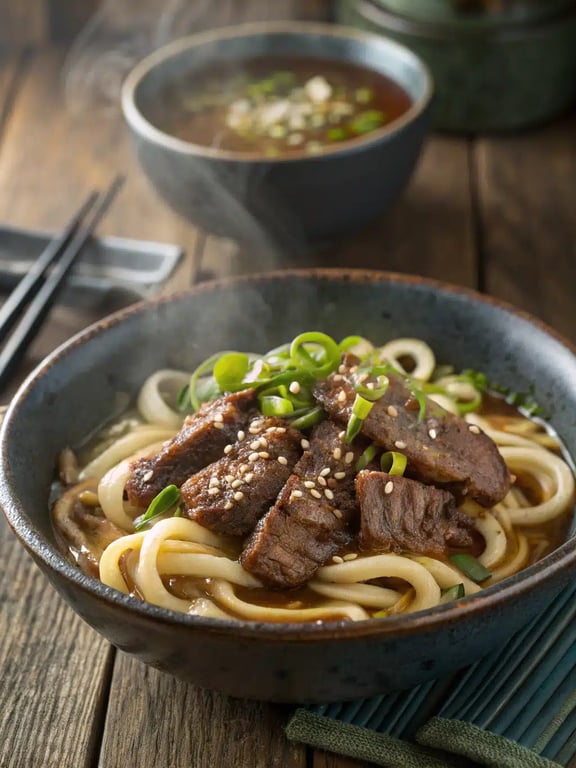
A deeply satisfying one-bowl meal featuring tender flank steak, chewy udon noodles, and a savory, aromatic broth. This comforting Japanese-inspired dish comes together in under 30 minutes, making it a perfect weeknight dinner.
What Makes Beef Udon Noodles So Special
With just a handful of simple ingredients, this beef udon noodles recipe delivers a deeply satisfying meal in one bowl. We’re talking about tender slices of steak, chewy udon noodles, and a savory, aromatic broth that comes together in under 30 minutes. It’s the perfect answer to the question, “What’s for dinner?” when you crave something comforting yet incredibly quick. During our testing, we found that the key to the best flavor is getting a good sear on the beef first. This creates those delicious browned bits in the pot that later dissolve into the broth, adding a rich, complex base. It’s a simple step that makes a world of difference. Trust us, once you try this method for a quick beef udon, you’ll have a new weeknight favorite.
This post may contain affiliate recommendations. Please see our disclosure policy.
What You’ll Find in This Article
Ingredients for Beef Udon Noodles
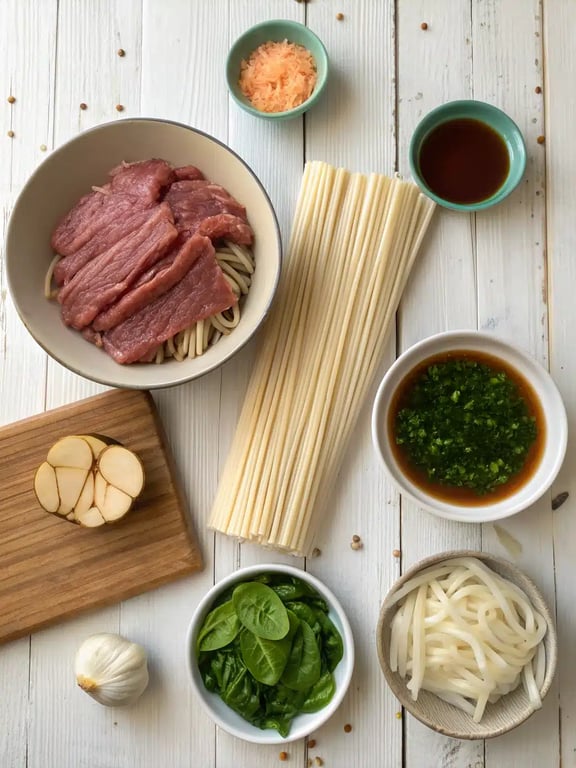
Here’s everything you’ll need to make this comforting bowl of Japanese beef noodles. We recommend using low-sodium broth so you can control the salt level perfectly with the soy sauce.- 8 ounces dried udon noodles
- 1 tablespoon vegetable oil
- 1 pound flank steak, thinly sliced against the grain
- 1 medium yellow onion, thinly sliced
- 2 cloves garlic, minced
- 4 cups low-sodium beef broth
- 3 tablespoons soy sauce
- 1 tablespoon rice vinegar + 1 teaspoon sugar
- 1 teaspoon toasted sesame oil
- 2 cups fresh baby spinach
- 2 green onions, thinly sliced, for garnish
Cook Time for Quick Beef Udon
One of the things we love most about this recipe is how quickly it comes together. From start to finish, you can have a steaming bowl of teriyaki beef udon on the table in about half an hour. Here’s a quick breakdown of the timing so you can plan your meal.- Prep Time: 10 minutes
- Cook Time: 20 minutes
- Total Time: 30 minutes
How to Make Beef Udon Stir Fry
Follow these simple steps for a flawless bowl every time. We’ve designed this process to be efficient, so you can build layers of flavor without extra dishes.Step 1: Cook the Udon Noodles
Cook the udon noodles according to package directions until just tender. Drain and rinse under cool water to stop the cooking, then set aside.Step 2: Sear the Beef
While the noodles cook, heat the vegetable oil in a large pot or Dutch oven over medium-high heat. Add the sliced steak in a single layer and cook without moving for 1-2 minutes to get a good sear, then stir-fry until no longer pink, about 2-3 minutes total. Transfer the beef to a clean plate.Step 3: Sauté the Aromatics
In the same pot, add the sliced onion and cook, stirring occasionally, until softened and beginning to brown, about 5 minutes. Add the minced garlic and cook for 30 seconds until fragrant.Step 4: Build the Broth
Pour in the beef broth, soy sauce, and rice vinegar + sugar mixture, scraping up any browned bits from the bottom of the pot. Bring the broth to a simmer.Step 5: Combine Noodles and Broth
Stir in the cooked udon noodles and let them heat through in the broth for about 2 minutes. Turn off the heat.Step 6: Finish and Serve
Stir in the toasted sesame oil, reserved beef, and the fresh spinach until the spinach is just wilted, about 1 minute. Taste and adjust seasoning with more soy sauce if desired. Ladle the soup into bowls and garnish generously with sliced green onions. Serve immediately while hot.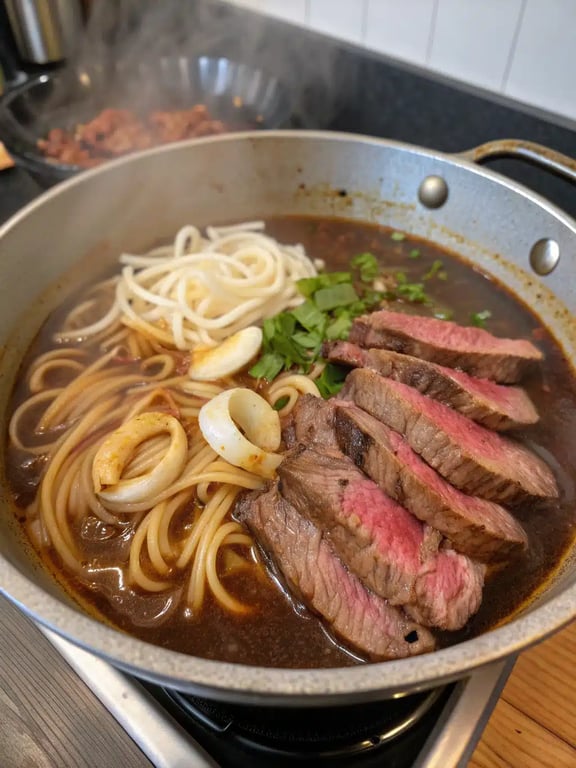
Pro Tips & Tasty Tweaks
After making this recipe dozens of times, our team has gathered a few insights that will help you master it on the first try. Here are our favorite tips for the best beef udon noodles.- Flavor Swap: For a sukiyaki beef udon vibe, add a teaspoon of sugar to the broth along with the soy sauce. It enhances the sweetness and mimics that classic sukiyaki flavor profile.
- Timing Adjustment: Don’t skip rinsing the cooked noodles! This stops them from overcooking and becoming mushy, ensuring they stay perfectly chewy in the final dish.
- Prep Fix: For easier slicing, pop the flank steak into the freezer for 15-20 minutes first. This firms it up, making it much simpler to cut into thin, even slices against the grain.
- Storage Tip: Leftovers keep well for up to 2 days. Store the broth and solids together, but note the noodles will continue to absorb liquid. Reheat gently on the stove, adding a splash of broth or water to loosen it up.
Flavor & Texture Notes
When you get this beef udon stir fry just right, the balance is truly wonderful. You should expect a rich, savory broth with a subtle sweetness from the rice vinegar and sugar mixture and onions, all underscored by the nutty aroma of toasted sesame oil. The flank steak should be tender and juicy, not tough, thanks to that quick sear and thin slicing against the grain. Texture is key here. The udon noodles should be thick, chewy, and slippery, providing a satisfying contrast to the tender beef and wilted spinach. The green onion garnish adds a final pop of fresh, sharp flavor and a bit of crunch. Essentially, every spoonful offers a little bit of everything that makes these Japanese beef noodles so craveable.Variations & Substitutions
We encourage you to make this recipe your own! Whether you’re working with what’s in your pantry or craving a different twist, here are some team-approved ideas. Remember, all our suggestions are designed to keep the dish delicious and accessible. For a different protein, try using thinly sliced chicken thighs or breast. They cook just as quickly and absorb the savory broth beautifully. If you love mushrooms, sauté a cup of sliced cremini or shiitake mushrooms with the onions for an extra layer of earthy flavor. To make it spicier, add a teaspoon of chili garlic sauce or a sprinkle of red pepper flakes when you build the broth. Don’t have mirin? A mix of 2 teaspoons of broth with 1 teaspoon of sugar or honey will provide a similar touch of sweetness. Finally, if baby spinach isn’t your thing, chopped kale or bok choy are excellent, hearty greens that hold up well. Just add them a minute or two earlier to ensure they soften properly in your quick beef udon.Make-Ahead & Scaling
We love a recipe that can adapt to a busy schedule or a hungry crowd. Fortunately, this quick beef udon is wonderfully flexible. You can prep several components ahead of time to make your weeknight dinner even faster, and scaling it up for a family gathering is straightforward. For make-ahead ease, slice the flank steak and the vegetables up to a day in advance. Store them separately in airtight containers in the refrigerator. You can also cook the udon noodles, rinse them well, toss them with a tiny bit of oil to prevent sticking, and refrigerate them for up to 24 hours. When you’re ready to eat, simply pick up the recipe at Step 2. The broth will come together in minutes, and you’ll have a hot meal on the table in no time. When scaling this recipe, our team found a few adjustments helpful. For a larger batch, use a wider pot or Dutch oven to ensure you can still get a proper sear on the beef without steaming it. Double or triple the ingredients as needed, but add the spinach in batches at the end so it wilts evenly. For a smaller, single-serving version, simply halve all the ingredients and use a medium saucepan. The cooking times will remain roughly the same. Just remember, the noodles will continue to absorb broth over time, so if you’re holding the dish or have leftovers, expect a thicker, more stew-like consistency—which we actually find quite delicious!How to Serve Beef Udon Noodles
Part of the joy of this dish is in the serving. A steaming bowl of Japanese beef noodles is a complete meal, but a few thoughtful touches can turn it into something special. We always serve it family-style, letting everyone ladle their own portion from a large pot right at the table. During our testing, we discovered that having a few extra garnishes on the side lets everyone customize their bowl. Along with the green onions, set out small dishes of toasted sesame seeds, a drizzle of chili oil for heat, or even a sprinkle of shichimi togarashi (Japanese seven-spice). For a true teriyaki beef udon experience, a touch of honey can be stirred in by those who prefer a sweeter note. This dish pairs beautifully with simple, clean sides. A crisp cucumber salad or some quick-pickled vegetables cut through the richness of the broth perfectly. For a heartier meal, serve it alongside steamed gyoza or vegetable spring rolls. It’s the ultimate comfort food that feels both nourishing and exciting. Our favorite tip? Use deep, wide bowls. They keep the broth hot longer and make it easy to get a perfect bite of noodles, beef, and broth in every spoonful. It’s a small detail that makes the meal feel even more authentic and satisfying.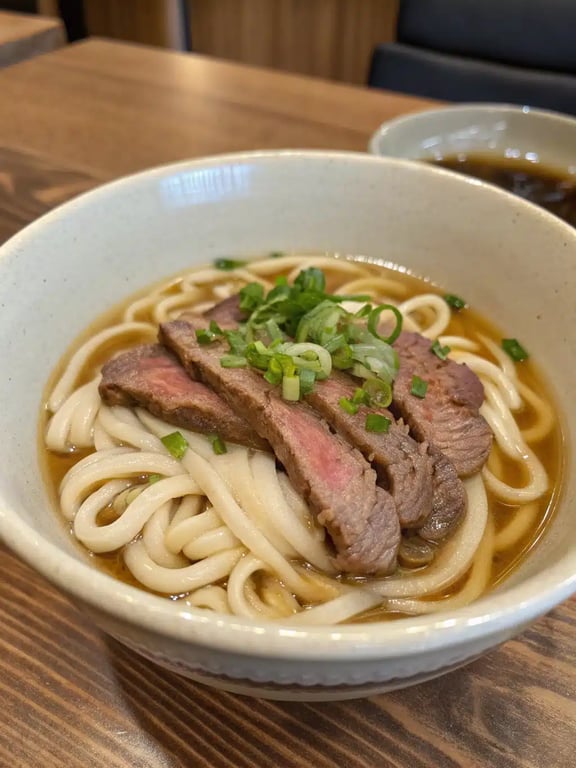
Mistakes to Avoid
We’ve made—and fixed—plenty of mistakes in our test kitchen so you don’t have to. Here are the most common pitfalls we see with a beef udon stir fry and exactly how to steer clear of them for the best results every time. First, don’t skip slicing the beef against the grain. If you’ve ever ended up with chewy, tough steak in your soup, this is likely why. Slicing against the grain shortens the muscle fibers, guaranteeing tender bites. Second, avoid crowding the pot when searing. Adding all the beef at once will steam it instead of creating those flavorful browned bits. Cook in batches if your pot isn’t large enough for a single layer. Another common error is overcooking the udon noodles before adding them to the broth. They should be just tender when you drain them, as they’ll continue to soften and absorb flavor in the hot soup. Rinsing them under cool water is non-negotiable—it stops the cooking process instantly. Finally, be cautious with the salt. Since the broth reduces slightly, and soy sauce is quite salty, we always recommend starting with low-sodium broth and tasting before adding any extra salt at the end. By avoiding these simple missteps, you’ll ensure your quick beef udon is perfectly balanced in texture and flavor, just like we aim for in our own kitchens.How to Store Beef Udon Noodles
Good news: this dish makes for excellent leftovers. After many rounds of testing storage methods, we’ve nailed down the best way to keep your beef udon noodles tasting fresh. Let the soup cool completely before transferring it to an airtight container. It will keep in the refrigerator for up to 2 days. Be aware that the noodles will continue to absorb the broth, so when you reheat it, the soup will be much thicker. We actually enjoy this thicker, stew-like consistency, but if you prefer it soupier, simply add a splash of beef broth or water when reheating on the stove over medium heat. We don’t recommend freezing this dish. The texture of the udon noodles and the spinach doesn’t hold up well after thawing, becoming mushy. For the best experience, this is truly a make-and-enjoy-now kind of meal, though the leftovers are a fantastic next-day lunch.Try This Beef Udon Noodles Yourself
We genuinely hope you give this recipe a try. It’s one of those dishes that feels like a hug in a bowl—comforting, flavorful, and surprisingly simple to pull off. Whether you’re craving a sukiyaki beef udon vibe or just a reliable weeknight dinner, this recipe delivers. Remember, cooking is about joy and nourishment. Don’t stress over perfection. If your slices aren’t perfectly even or you forget to rinse the noodles, it will still be delicious. The goal is to get a satisfying, home-cooked meal on the table that makes you happy. We’ve tweaked and tested this beef udon stir fry to be forgiving and flexible, so you can make it your own. So, gather your ingredients, put on some music, and treat yourself to the process. We’re confident this will become a new favorite in your rotation.Quick Beef Udon Noodles
A deeply satisfying one-bowl meal featuring tender flank steak, chewy udon noodles, and a savory, aromatic broth. This comforting Japanese-inspired dish comes together in under 30 minutes, making it a perfect weeknight dinner.
Ingredients
Equipment
Method
- Cook the udon noodles according to package directions until just tender. Drain and rinse under cool water to stop the cooking, then set aside.
- While the noodles cook, heat the vegetable oil in a large pot or Dutch oven over medium-high heat. Add the sliced steak in a single layer and cook without moving for 1-2 minutes to get a good sear, then stir-fry until no longer pink, about 2-3 minutes total. Transfer the beef to a clean plate.
- In the same pot, add the sliced onion and cook, stirring occasionally, until softened and beginning to brown, about 5 minutes. Add the minced garlic and cook for 30 seconds until fragrant.
- Pour in the beef broth, soy sauce, and mirin, scraping up any browned bits from the bottom of the pot. Bring the broth to a simmer.
- Stir in the cooked udon noodles and let them heat through in the broth for about 2 minutes. Turn off the heat.
- Stir in the toasted sesame oil, reserved beef, and the fresh spinach until the spinach is just wilted, about 1 minute. Taste and adjust seasoning with more soy sauce if desired. Ladle the soup into bowls and garnish generously with sliced green onions. Serve immediately while hot.
Nutrition
Notes
Pro Tips: For easier slicing, pop the flank steak into the freezer for 15-20 minutes first. Rinsing the cooked noodles stops them from overcooking and becoming mushy. For a sukiyaki-style flavor, add a teaspoon of sugar to the broth. Leftovers keep for up to 2 days; the noodles will absorb broth, so add a splash of water or broth when reheating.
Tried this recipe?
Let us know how it was!Enjoyed the recipe? Share it!

Kitchen Essentials We Recommend
Tools that make cooking easier — tried, tested, and loved.


As an Amazon Associate we earn from qualifying purchases.
Got a recipe the world should try?
Share your favorite family recipe or national dish with food lovers in 100+ countries.
Submit Your RecipeFrequently Asked Questions
Can I use a different cut of beef?
Absolutely. While flank steak is our top choice for its flavor and tenderness when sliced thinly, sirloin or ribeye work beautifully too. The key is to slice any cut very thinly against the grain for the best texture in your Japanese beef noodles.
How do I prevent the noodles from getting mushy?
This is crucial for perfect beef udon noodles. Cook the udon just until tender, then drain and rinse them immediately under cold running water. This stops the cooking process and washes away excess starch, ensuring they stay delightfully chewy in the final dish.
What can I use if I don’t have mirin?
No mirin? No problem. For a similar sweet note, mix 2 teaspoons of broth with 1 teaspoon of sugar or honey. Stir this into the broth when you add the soy sauce. It will give your quick beef udon that classic, well-rounded flavor.
Can I make this dish vegetarian?
You certainly can. Swap the beef broth for a rich vegetable or mushroom broth, and replace the steak with hearty vegetables like sliced shiitake mushrooms, tofu puffs, or seitan. Sauté them just as you would the beef to build flavor.