By Lily
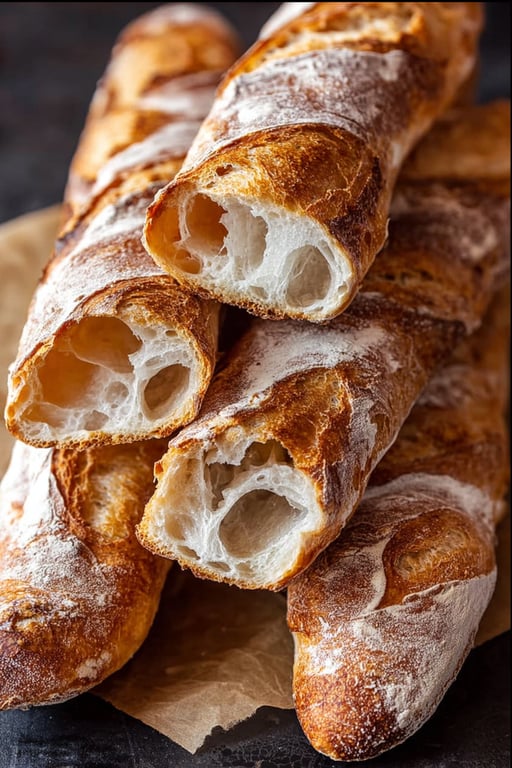
We make this baguette whenever we want the comfort of fresh, crusty bread straight from our own oven. This easy homemade baguette has a golden, crackly crust and a soft, airy interior, and it is perfect for beginners, letting you create bakery-quality loaves at home with just a few simple ingredients. That is real food for real life, humble yet deeply satisfying, the kind of baguette that turns flour, water, yeast, and salt into a warm, fragrant loaf perfect for sandwiches, dipping, or tearing apart and sharing at the table.
What makes this baguette so good is the magic of simple technique. A short, gentle process of mixing, rising, shaping, and baking transforms four humble pantry staples into something extraordinary, with a shatteringly crisp crust and a tender, chewy crumb. It is the kind of baguette that fills your kitchen with the most wonderful aroma, and once you hear that signature crackle as it cools, you will want to bake it again and again.

A golden, crackly crust and a soft, airy interior, bakery quality at home.
Why You Will Love This Baguette
- It is crusty. A golden, crackly crust.
- It is airy. A soft, open, chewy crumb.
- It is simple. Just four pantry staples.
- It is beginner friendly. No starter or fancy tools.
- It is versatile. Perfect for sandwiches or dipping.
- It is fresh. Bakery quality without preservatives.
What Makes This Baguette So Good
It starts with the flour. All-purpose flour is wonderful for this loaf, producing an airier, less chewy crumb that is perfect for a classic baguette.
Then comes the yeast. Active dry yeast, bloomed in warm water until foamy, is what gives this baguette its good rise, light texture, and lovely flavor.
Next is the rise. A patient rise lets the dough develop flavor and a beautiful open structure, the secret to a baguette with a tender, airy interior.
Finally, steam ties it together. A little steam in the oven keeps the crust soft just long enough to expand, then sets it into that crisp, crackly shell that makes a baguette so irresistible.

Optional Pro Tip: Use Warm Water and Add Steam
Getting the water temperature right is the first key to success. Use warm, never hot, water to bloom the yeast, since water that is too hot can kill it and keep your dough from rising. A good test is that the water should feel like a comfortable, pleasant bath to the touch. Let the yeast sit until it looks foamy on top, which is your sign that it is alive and ready to work, then stir it into the flour and salt to form a shaggy dough, adding the water gradually so the dough does not get too wet.
The other secret to that signature crust is steam. Adding a pan of water to the bottom of a hot oven, or spritzing the loaves with water before baking, creates steam that keeps the surface soft long enough for the bread to expand fully. As the steam works, it then sets the crust into a crisp, golden, crackly shell. Be sure your oven is fully preheated and nice and hot, since that strong heat is what creates the beautiful color and crunch.
Tips for the Best Baguette
- Use warm, not hot, water. So you do not kill the yeast.
- Wait for foamy yeast. It confirms the yeast is active.
- Do not add all the water at once. Aim for a shaggy dough.
- Knead until smooth. To develop the gluten.
- Let it rise fully. Until doubled in a warm spot.
- Shape into even logs. For a classic baguette form.
- Slash with confidence. Quick, swift, shallow cuts.
- Add steam to the oven. For a crisp, crackly crust.
- Cool before slicing. So the crumb can set.

Variations and Add Ins
This simple loaf is a great base for creative twists. Here are a few fun ways to vary this baguette.
- Make garlic bread. Slice and toast with garlic butter.
- Add herbs. Knead in rosemary or thyme.
- Top with seeds. Sesame or poppy seeds before baking.
- Make crostini. Thin slices toasted for appetizers.
- Use for sandwiches. Split lengthwise and fill.
- Add a softer crust. With extra steam in the oven.
- Dust with flour. For a rustic bakery look.
- Serve with olive oil. For dipping at the table.
- Make mini loaves. Shape into shorter lengths.
How to Store Baguette
A baguette is at its very best within the first several hours of baking, when the crust is at its crispiest and the crumb is fresh and soft. Enjoy it warm or the same day for that perfect bakery experience.
To store it for a day or two, keep it at room temperature wrapped loosely, or in a paper bag rather than plastic. Plastic traps moisture and softens that lovely crust, while a paper bag helps it stay crisp a little longer.
For longer storage, slice and freeze the baguette in an airtight bag for up to a few months. To refresh a day-old or frozen loaf, spritz it lightly with water and warm it in the oven for a few minutes until the crust crisps up again.

Serving Suggestions for Baguette
This baguette is a versatile, comforting loaf for so many meals, which makes it a wonderful staple. It is delicious simply torn apart and served warm with butter, whether alongside a hearty soup, a pasta dinner, or a cozy weekend lunch.
It also shines as the base for so many dishes. Slice it for sandwiches, toast it for crostini, or serve it with good olive oil for dipping.
- With a bowl of soup. Perfect for dipping.
- With butter. Simple and satisfying.
- As garlic bread. Toasted with garlic butter.
- For sandwiches. Split lengthwise and filled.
- With olive oil. For dipping at the table.
Frequently Asked Questions
What ingredients do I need for a baguette?
A traditional baguette uses just four simple ingredients: flour, water, yeast, and salt, with a touch of sugar to help feed the yeast. It is amazing how these humble staples come together into such a beautiful, flavorful loaf.
How warm should the water be?
Use warm, never hot, water to bloom the yeast. It should feel like a comfortable, pleasant bath to the touch. Water that is too hot can kill the yeast, which would keep your dough from rising properly.
Why is steam important?
Steam is the secret to that signature crackly crust. It keeps the surface of the bread soft just long enough to expand fully in the oven, then sets it into a crisp, golden shell. A pan of water or a spritz does the trick.
How do I know when the yeast is ready?
After sprinkling the yeast over warm water, let it sit for several minutes. When it looks foamy on top, the yeast is alive and active. If nothing happens, the yeast may be old, and it is best to start fresh.
Why is my bread dense?
A dense crumb usually means the dough was under-risen or the yeast was not fully active. Make sure your yeast is fresh, give the dough plenty of time to rise in a warm spot, and let it nearly double before baking.
Why do I slash the top?
Slashing lets steam escape and gives the loaf room to expand properly in the oven, which prevents it from bursting. It also creates the baguette signature look. Use quick, confident, shallow cuts with a sharp blade.
How do I know when it is done?
The baguette is done when it is deep golden brown and sounds hollow when you tap the bottom. The crust should be crisp and crackly. Let it cool on a wire rack before slicing so the crumb can finish setting.
How should I store it?
Keep it at room temperature in a paper bag for a day or two, since plastic traps moisture and softens the crust. For longer storage, slice and freeze it, then refresh it in a warm oven with a light spritz of water.
Can I use bread flour instead?
You can, and it will give a chewier texture. All-purpose flour, though, makes a lovely airier, less chewy crumb that is ideal for this style of baguette. Either works, so it comes down to the texture you prefer.
What can I serve with a baguette?
A baguette is endlessly versatile. Serve it with soup, butter, or olive oil for dipping, slice it for sandwiches, toast it for crostini, or turn it into garlic bread alongside a pasta dinner.
Fresh Bread at Home
Crusty, golden, and soft inside, this baguette is the kind of bread that makes any meal feel special. It comes together with just four simple ingredients and a little patience, rewarding you with that wonderful crackle and aroma of fresh-baked bread right in your own kitchen.
If you love baking homemade bread, try another favorite like our Christmas bread next. However you serve it, we hope this baguette brings the joy of fresh bread to your table.
Results vary by ingredients, equipment, and cooking conditions. Always taste and adjust as you go.
Homemade French Baguette
Ingredients
Equipment
Method
- Prepare the yeast by mixing warm water and sugar in a bowl. Sprinkle yeast on top and let sit for 5 to 10 minutes until foamy.
- Mix the dough by combining flour and salt in a large bowl. Gradually add the yeast mixture while stirring until a shaggy dough forms.
- Knead the dough by transferring it to a floured surface and kneading for about 8 to 10 minutes until smooth and elastic.
- Place the dough in an oiled bowl, cover it, and let it rise in a warm spot until doubled in size, about 1 hour.
- Punch down the dough, divide it into two pieces, and roll each into logs about 12 to 14 inches long.
- Place the baguettes on a parchment-lined baking sheet to rise for another 30 minutes while preheating the oven to 450 F. Slash the tops and bake for 20 to 25 minutes until golden brown.
Nutrition
Tried this recipe?
Let us know how it was!Enjoyed the recipe? Share it!

Kitchen Essentials We Recommend
Tools that make cooking easier — tried, tested, and loved.


As an Amazon Associate we earn from qualifying purchases.
Got a recipe the world should try?
Share your favorite family recipe or national dish with food lovers in 100+ countries.
Submit Your Recipe