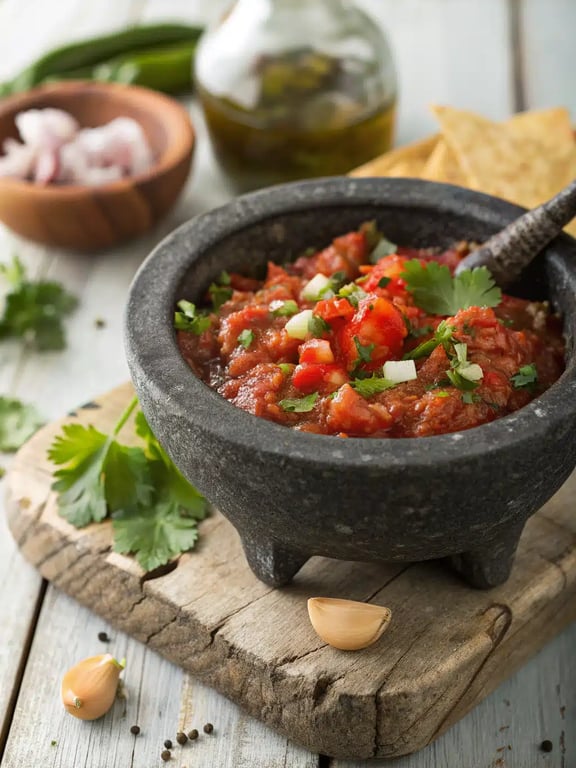
This smoky, complex fire roasted salsa is made by charring tomatoes, onions, and peppers under the broiler, then blending with fresh cilantro and lime. The result is a restaurant-style salsa with a perfect balance of bright acidity, subtle heat, and irresistible charred aroma that's far superior to anything from a jar.
What Makes fire roasted salsa So Special
With just a handful of simple ingredients, this fire roasted salsa delivers a smoky, complex flavor that feels straight from a restaurant kitchen. The magic happens under the broiler, where tomatoes, onions, and peppers char and blister, transforming their natural sugars into something deeply savory and sweet. The result is a homemade roasted salsa with a perfect balance of bright acidity, subtle heat, and that irresistible charred aroma you just can’t get from a jar. After testing this method countless times, our team found one simple trick makes all the difference: don’t skip the resting time. Letting the salsa sit for 15-20 minutes after blending isn’t just a suggestion—it’s the secret that allows the smoky, tangy, and herbal notes to truly meld together. You’ll be amazed at how this easy step elevates your easy roasted salsa from good to absolutely unforgettable. Trust us, you’re going to want to make a double batch!
This post may contain affiliate recommendations. Please see our disclosure policy.
What You’ll Find in This Article
Ingredients for fire roasted salsa
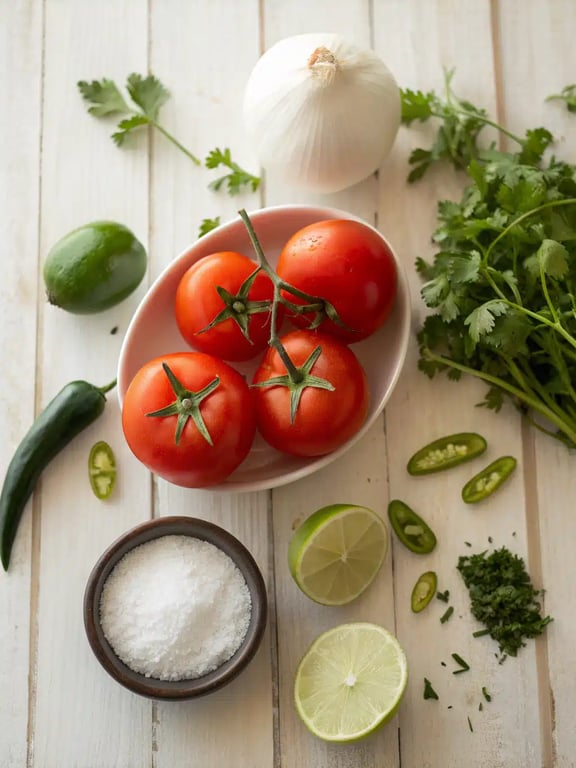
This roasted tomato salsa proves that incredible flavor comes from quality basics. Here’s everything you’ll need to create this smoky, versatile condiment at home.- 1 ½ pounds ripe Roma tomatoes
- 1 medium white onion, peeled and quartered
- 2 jalapeño peppers
- 3 cloves garlic, unpeeled
- ¼ cup fresh cilantro leaves, roughly chopped
- 2 tablespoons fresh lime juice
- 1 teaspoon kosher salt, plus more to taste
Cook Time for roasted tomato salsa
One of the best things about this fire roasted salsa recipe is how quickly it comes together. From start to finish, you’ll have a fresh, smoky salsa ready in well under an hour, with most of that time being hands-off while the vegetables roast and the flavors meld. Here’s our team’s typical timeline:- Prep Time: 10 minutes
- Cook Time: 10 minutes
- Resting Time: 20 minutes
- Total Time: 40 minutes
How to Make fire roasted salsa
Follow these simple steps to create your own batch of smoky, chunky, and utterly delicious homemade roasted salsa. We’ve broken it down so you can achieve that perfect restaurant style salsa texture every single time.Step 1: Preheat & Prep
Preheat your broiler to high with a rack positioned 4-6 inches from the heat source. Line a large, rimmed baking sheet with aluminum foil for easy cleanup.Step 2: Char the Vegetables
Place the whole tomatoes, onion quarters, jalapeños, and unpeeled garlic cloves on the prepared baking sheet. Broil for 5-8 minutes, using tongs to turn the vegetables occasionally, until they are charred and blistered in spots.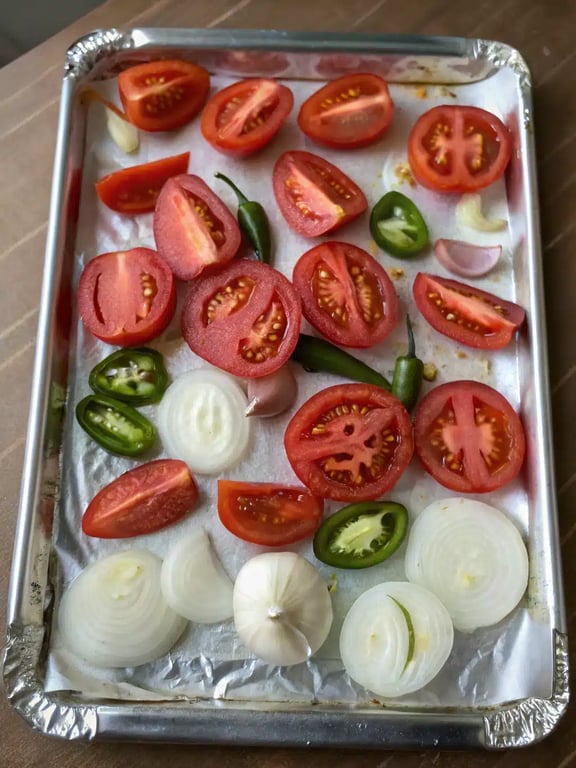
Step 3: Cool & Prep
Remove the baking sheet from the oven. Let the vegetables cool slightly until you can handle them. Peel the garlic cloves. For a milder salsa, remove the stems and seeds from the jalapeños.Step 4: Pulse to Combine
Transfer the charred vegetables, including any juices from the baking sheet, to a food processor or blender. Pulse 4-5 times until the ingredients are coarsely chopped but not completely smooth.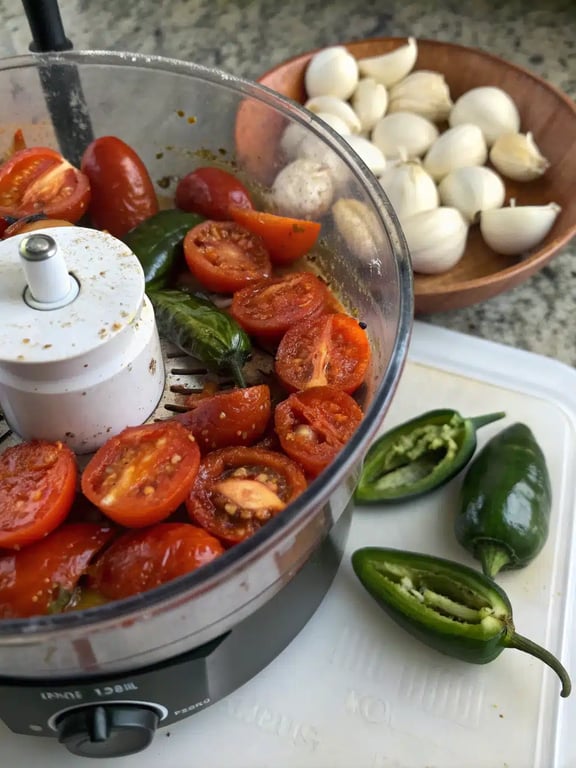
Step 5: Add Fresh Elements
Add the chopped cilantro, fresh lime juice, and 1 teaspoon of kosher salt to the processor. Pulse just 2-3 more times to combine, leaving the salsa with a chunky, rustic texture.Step 6: Rest & Season
Taste the salsa and season with additional salt if needed. For the best flavor, let it sit at room temperature for 15-20 minutes to allow the flavors to meld before serving.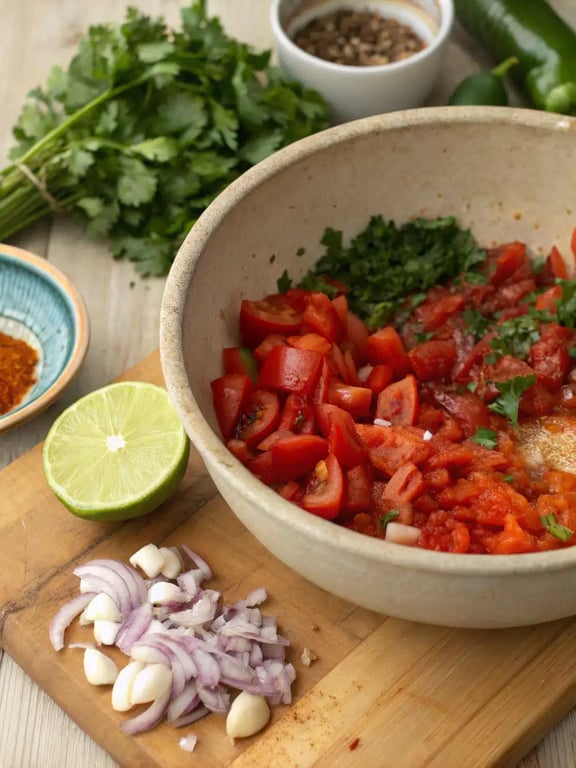
Pro Tips & Tasty Tweaks
Through all our testing, we’ve gathered a few key insights that will help you master this easy roasted salsa. Here are our favorite pro tips for perfecting your batch.- Control the Heat: The seeds and membranes hold most of a jalapeño’s heat. For a very mild salsa, remove them. For more kick, leave them in or even add a serrano pepper.
- Texture is Key: We can’t stress this enough—pulse, don’t puree! Over-processing turns your salsa into soup. A few quick pulses give you that perfect, scoopable texture.
- Don’t Waste the Juices: When transferring your charred veggies to the blender, scrape every last bit of those caramelized juices from the baking sheet. That’s pure flavor gold.
- Storage Smarts: This salsa keeps beautifully. Store it in an airtight container in the fridge for up to 5 days. The flavors actually deepen and improve after a day.
Flavor & Texture Notes
When you make this fire roasted salsa correctly, you’ll experience a beautiful harmony of flavors and textures. First, the aroma should be deeply inviting—a mix of sweet, smoky char from the tomatoes and onions, with a bright, herbal top note from the cilantro. The taste starts with a rounded, caramelized sweetness from the roasted vegetables, followed by a tangy punch from the lime juice, and finishes with a subtle, building warmth from the peppers. As for texture, your goal is a rustic, chunky consistency. You should see distinct, small pieces of tomato and onion, and the salsa should hold its shape on a chip without being watery. If it looks too thin after blending, don’t worry. Often, letting it rest allows the vegetables to absorb excess liquid. Ultimately, a great restaurant style salsa has body and character, and this recipe delivers exactly that.Variations & Substitutions
One of the joys of this fire roasted salsa recipe is how adaptable it is. While we love the classic version, our team has had fun playing with different flavors. Here are some of our favorite twists that keep the spirit of the original while offering something new. For a richer, deeper flavor, try adding one or two chipotle peppers in adobo sauce to the blender. They contribute an incredible smoky heat. If you love fruit salsas, swap half the Roma tomatoes for ripe peaches or mangoes before broiling—the caramelized fruit adds a fantastic sweet-and-smoky contrast. You can also experiment with different herbs; while cilantro is classic, a small handful of fresh oregano or epazote introduces a wonderfully unique, earthy note. Don’t have Roma tomatoes? Any ripe, fleshy tomato will work, though cooking times may vary slightly. White onion can be swapped for yellow or red onion for a slightly different sharpness. And finally, if you’re out of fresh limes, a tablespoon of good-quality distilled white vinegar or apple cider vinegar can provide the necessary acidity in a pinch.Make-Ahead & Scaling
We love recipes that fit into real life, and this fire roasted salsa is a champion when it comes to planning ahead. You can absolutely prep this homemade roasted salsa a day in advance. In fact, we often do! The flavors meld and deepen beautifully in the fridge overnight, making it even more delicious the next day. If you’re hosting, this is our go-to strategy for a stress-free appetizer. When it comes to scaling, this easy roasted salsa is wonderfully flexible. For a small, intimate batch, you can easily halve the recipe and use a toaster oven broiler. For a crowd, simply double or triple everything. The key is to use multiple baking sheets or roast in batches to avoid steaming the vegetables—you want that direct, high heat for proper charring. Just remember to adjust your blending time slightly for larger quantities to maintain that perfect chunky texture.How to Serve fire roasted salsa
This is where the fun really begins! After all our testing, we’ve found that a great restaurant style salsa isn’t just a dip—it’s a versatile flavor booster. Of course, it’s absolutely perfect with a big bowl of warm, salty tortilla chips. But we also love getting creative with it. One of our favorite team discoveries was using it as a vibrant topping for grilled chicken or fish; the smoky acidity cuts through richness perfectly. Think beyond the chip bowl. Spoon this roasted tomato salsa over scrambled eggs or breakfast tacos for an incredible morning kick. Stir a spoonful into soups or chili to add a layer of smoky depth. It also makes a fantastic, quick sauce for quesadillas or a topping for baked potatoes. The possibilities are nearly endless, which is why we always recommend making a double batch. Our best serving tip? Always bring your fire roasted salsa to room temperature before serving if it’s been chilled. This simple step wakes up all the fresh, bright flavors and makes the texture just right for scooping.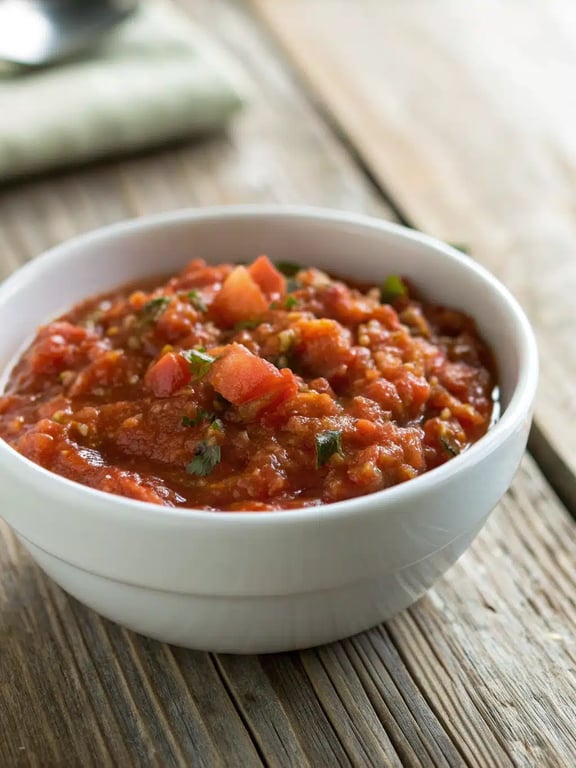
Mistakes to Avoid
We’ve made plenty of salsa over the years, and we’ve learned from every batch. To help you nail this fire roasted salsa recipe on the first try, here are the most common pitfalls we see and exactly how to steer clear of them. Over-charring the vegetables. It’s easy to get distracted and let things go too far. You want blistered, blackened spots, not completely incinerated veggies. If they start smoking heavily in the oven, they’re likely burning. Aim for about 25-30% charred surface area for the best balance of sweet and smoky flavor. Blending instead of pulsing. This is the number one reason salsa turns soupy. Your food processor is powerful! A few quick pulses are all you need to achieve that ideal, chunky texture. We always remind each other in the test kitchen: “Pulse for texture, blend for soup.” Skipping the rest time. We know it’s tempting to dig right in, but patience is key. Letting your homemade roasted salsa sit for 15-20 minutes allows the salt to penetrate, the acidity to mellow, and the smoky notes to fully integrate. It’s the difference between good salsa and great salsa. Using under-ripe tomatoes. Flavor starts with your ingredients. Pale, hard tomatoes won’t have enough natural sweetness to balance the smoke and acid. Look for ripe, fragrant Roma tomatoes that give slightly to gentle pressure for the most flavorful fire roasted salsa. By avoiding these simple mistakes, you’re guaranteed a salsa that’s packed with flavor and has the perfect scoopable consistency every single time.How to Store fire roasted salsa
Good news: this salsa stores beautifully, and its flavor often improves after a day in the fridge. We always use an airtight container—a glass jar or a bowl tightly covered with plastic wrap works perfectly. Stored this way, your easy roasted salsa will stay fresh and vibrant in the refrigerator for up to 5 days. During our tests, we found that the flavors meld and the texture settles nicely after a night in the fridge. If the salsa seems a bit watery after storage, just give it a quick stir; the vegetables will have absorbed some of the liquid. We don’t recommend freezing this salsa, as the texture of the fresh tomatoes and cilantro doesn’t hold up well after thawing. For the best experience, we think of it as a make-ahead recipe, not a freeze-ahead one.Try This fire roasted salsa Yourself
We genuinely hope you give this fire roasted salsa a try in your own kitchen. There’s something so satisfying about transforming simple, fresh ingredients into a condiment that’s bursting with smoky, tangy, complex flavor. It’s one of those recipes that reliably impresses guests but is straightforward enough for a casual weeknight. Remember, cooking is about joy and sharing. Don’t stress about perfection. Whether you like it extra chunky or a touch smoother, a little hotter or completely mild, make this roasted tomato salsa your own. We’d love to hear how it turns out for you. Grab those ripe tomatoes, fire up your broiler, and get ready for the best salsa you’ve made at home.Fire Roasted Salsa
This smoky, complex fire roasted salsa is made by charring tomatoes, onions, and peppers under the broiler, then blending with fresh cilantro and lime. The result is a restaurant-style salsa with a perfect balance of bright acidity, subtle heat, and irresistible charred aroma that's far superior to anything from a jar.
Ingredients
Equipment
Method
- Preheat your broiler to high with a rack positioned 4-6 inches from the heat source. Line a large, rimmed baking sheet with aluminum foil for easy cleanup.
- Place the whole tomatoes, onion quarters, jalapeños, and unpeeled garlic cloves on the prepared baking sheet. Broil for 5-8 minutes, using tongs to turn the vegetables occasionally, until they are charred and blistered in spots.
- Remove the baking sheet from the oven. Let the vegetables cool slightly until you can handle them. Peel the garlic cloves. For a milder salsa, remove the stems and seeds from the jalapeños.
- Transfer the charred vegetables, including any juices from the baking sheet, to a food processor or blender. Pulse 4-5 times until the ingredients are coarsely chopped but not completely smooth.
- Add the chopped cilantro, fresh lime juice, and 1 teaspoon of kosher salt to the processor. Pulse just 2-3 more times to combine, leaving the salsa with a chunky, rustic texture.
- Taste the salsa and season with additional salt if needed. For the best flavor, let it sit at room temperature for 15-20 minutes to allow the flavors to meld before serving.
Nutrition
Notes
Pro Tips: Control heat by removing jalapeño seeds. Pulse, don't puree, for perfect texture. Scrape all the caramelized juices from the baking sheet into the blender for maximum flavor. The salsa's flavor improves after a day in the fridge.
Storage: Store in an airtight container in the refrigerator for up to 5 days. Bring to room temperature before serving for the best flavor.
Tried this recipe?
Let us know how it was!Enjoyed the recipe? Share it!
Kitchen Essentials We Recommend
Tools that make cooking easier — tried, tested, and loved.


As an Amazon Associate we earn from qualifying purchases.
Got a recipe the world should try?
Share your favorite family recipe or national dish with food lovers in 100+ countries.
Submit Your RecipeFrequently Asked Questions
Can I make this salsa without a broiler?
Absolutely! If you don’t have a broiler, you can achieve a similar char using a very hot cast-iron skillet or a grill. Cook the vegetables over high heat, turning occasionally, until they are nicely blistered and softened. The key is direct, high heat to caramelize the sugars.
How do I make my salsa less watery?
The best fix is often just time. Let your blended salsa rest for 20-30 minutes; the vegetables will absorb excess liquid. Also, be sure to pulse, not puree, and consider using fleshier tomato varieties like Romas, which have less water content than beefsteak tomatoes.
Can I use a different type of pepper?
Yes, you can customize the heat level easily. For a milder fire roasted salsa, use poblano peppers. For more heat, try serrano or even a habanero (use just half, and be careful!). The roasting process will mellow the pepper’s raw bite slightly.
Why is my salsa bitter?
Bitterness usually comes from over-charring, especially the garlic. If the garlic cloves burn, they can impart a bitter taste. Also, ensure you’re using ripe, sweet tomatoes and not the white pith from the jalapeños, which can be bitter. A little extra lime juice can sometimes help balance a slight bitterness.