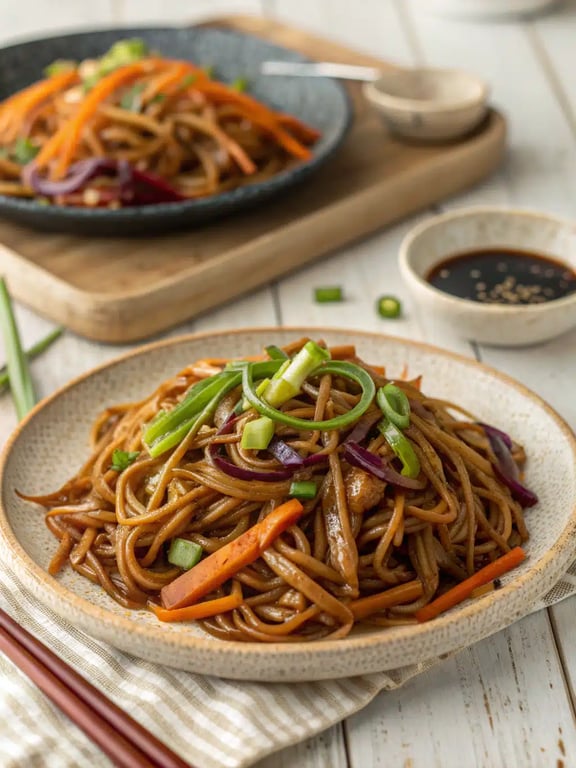
A classic vegetable lo mein that delivers irresistible savory, slightly sweet flavors with tender noodles and crisp-tender vegetables. This easy recipe comes together faster than takeout and creates a restaurant-quality dish right in your own kitchen.
What Makes lo mein noodles So Special
With just a handful of simple ingredients, a classic vegetable lo mein delivers that irresistible combination of savory, slightly sweet, and utterly satisfying flavors. The tender lo mein noodles soak up the rich sauce, while the crisp-tender vegetables add a wonderful freshness and crunch. It’s the kind of easy lo mein that comes together faster than takeout and feels like a warm hug in a bowl. During our team testing, we found that the secret to the best lo mein noodles lies in the sauce balance and a hot wok. Whisking the sauce together before you start cooking ensures every component is perfectly coated. You’re going to be amazed at how simple it is to create this restaurant-quality dish right in your own kitchen!
This post may contain affiliate recommendations. Please see our disclosure policy.
What You’ll Find in This Article
Ingredients for lo mein noodles
Here is everything you’ll need to create this flavorful and easy lo mein. We love how accessible these ingredients are, and you can find most of them in any well-stocked grocery store.- 8 ounces lo mein noodles
- 2 tablespoons vegetable oil
- 2 cloves garlic, minced
- 1 teaspoon fresh ginger, grated
- 1 cup carrots, julienned
- 1 cup napa cabbage, thinly sliced
- 1/2 cup bell peppers, thinly sliced
- 3 green onions, sliced on the diagonal
- 3 tablespoons soy sauce
- 1 tablespoon oyster sauce
- 1 teaspoon sesame oil
- 1 teaspoon brown sugar
- 1/4 teaspoon black pepper
Cook Time for vegetable lo mein
We’ve timed this recipe repeatedly in our test kitchen, and one of the things we love most about this vegetable lo mein is its speed. From start to finish, you can have a delicious, homemade meal on the table in no time, making it perfect for a busy weeknight.- Prep time: 15 minutes
- Cook time: 10 minutes
- Total time: 25 minutes
How to Make easy lo mein
Follow these straightforward steps for a perfect batch of easy lo mein every single time. We recommend having all your ingredients prepped and within arm’s reach before you turn on the heat, as things move quickly once you start stir-frying.Step 1: Cook the Noodles
Cook the lo mein noodles according to package directions until al dente, then drain thoroughly and toss with a teaspoon of vegetable oil to prevent sticking.Step 2: Make the Sauce
While noodles cook, whisk together soy sauce, oyster sauce, sesame oil, brown sugar, and black pepper in a small bowl until the sugar dissolves.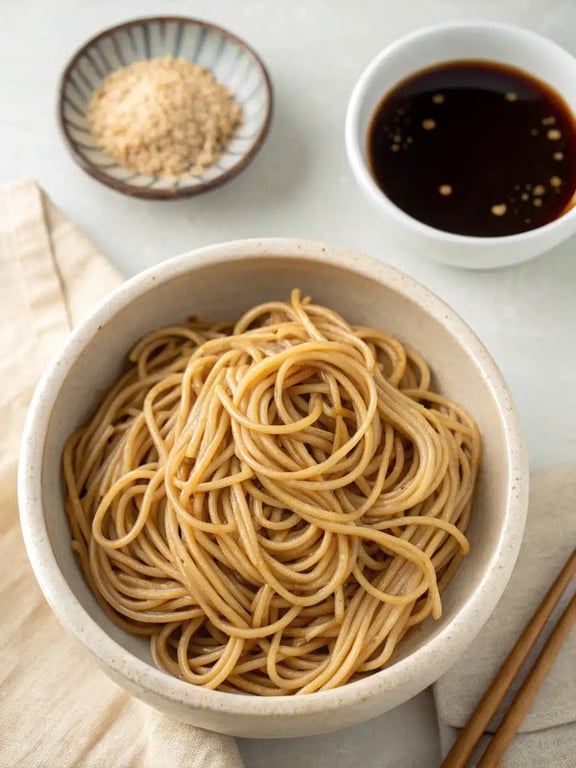
Step 3: Sauté Aromatics
Heat remaining vegetable oil in a large wok or skillet over high heat until shimmering, then add garlic and ginger and stir-fry for 30 seconds until fragrant.Step 4: Cook the Vegetables
Add carrots and stir-fry for 2 minutes until slightly softened, then add bell peppers and cabbage and continue stir-frying for another 2 minutes until vegetables are crisp-tender.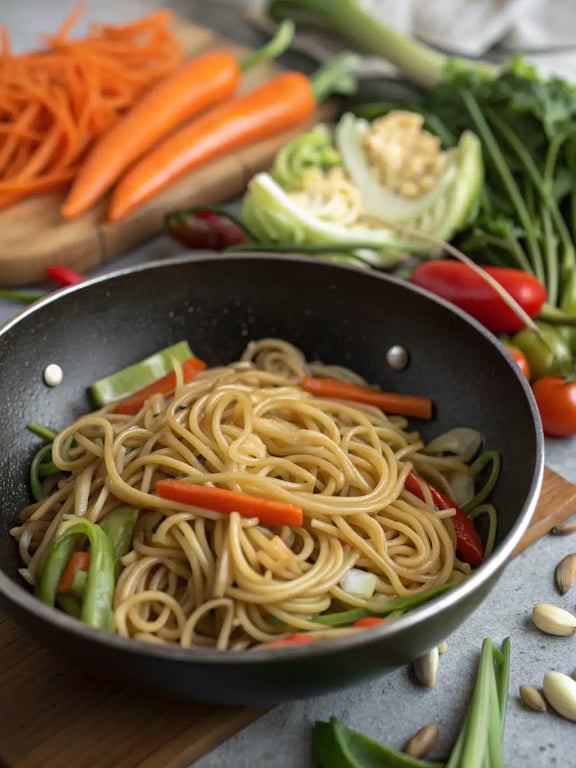
Step 5: Combine Noodles and Sauce
Reduce heat to medium, add the cooked noodles and sauce to the wok, tossing constantly with tongs to coat everything evenly.Step 6: Finish with Green Onions
Stir in green onions and cook for one final minute until the sauce clings to the noodles and vegetables are well incorporated.Step 7: Serve and Enjoy
Taste and adjust seasoning with more soy sauce if needed, then serve immediately while hot.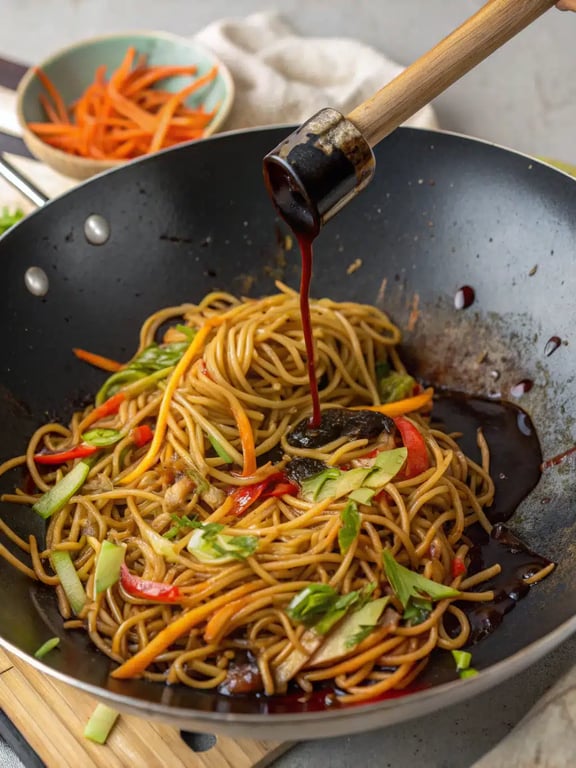
Pro Tips & Tasty Tweaks
After making this recipe dozens of times, our team has gathered a few insights to help you master your lo mein noodles. These small adjustments can make a big difference in your final dish.- Boost Umami: For a deeper flavor, add a splash of mushroom stir-fry sauce to your sauce mixture.
- Control the Sizzle: If your wok starts to smoke excessively, don’t be afraid to lower the heat slightly to avoid burning the garlic.
- Avoid Mushy Noodles: Always rinse your cooked lo mein noodles with cold water after draining to stop the cooking process and prevent sticking.
- Leftover Love: Store leftovers in an airtight container in the fridge for up to 3 days. Reheat in a skillet with a tiny splash of water to revive the sauce.
Flavor & Texture Notes
When you take that first bite of your finished lo mein noodles, you should experience a beautiful harmony of flavors and textures. The sauce is the star, offering a savory base from the soy sauce, a subtle sweetness from the brown sugar, and a rich depth from the oyster sauce, all rounded out by the nutty aroma of sesame oil. Texture-wise, you’re aiming for a perfect contrast. The lo mein noodles should be tender and chewy, generously coated in the glossy sauce. The carrots and bell peppers provide a firm, crisp-tender bite, while the napa cabbage wilts just enough to become soft and silky. The final garnish of green onions adds a fresh, sharp finish. It’s this combination that makes a great shrimp lo mein or beef lo mein so incredibly satisfying.Variations & Substitutions
One of the joys of this recipe is its incredible flexibility. Our team loves experimenting with different proteins and vegetables to keep things exciting. Whether you’re craving a hearty chicken lo mein or a succulent shrimp lo mein, the base recipe adapts beautifully. For a simple chicken lo mein, stir-fry 8 ounces of thinly sliced chicken breast until cooked through before adding your aromatics. For a delicious shrimp lo mein, quickly cook 8 ounces of peeled shrimp in the hot oil until pink, then set them aside and add them back in with the green onions at the end. If you’re in the mood for a robust beef lo mein, marinate thin strips of beef steak in a tablespoon of the sauce for 15 minutes before searing it quickly in the wok. Don’t hesitate to play with the vegetables, either. Broccoli florets, snap peas, sliced mushrooms, or baby corn would all be wonderful additions. If you need a substitute for oyster sauce, hoisin sauce makes an excellent alternative, though the flavor will be slightly sweeter.How to Serve lo mein noodles
We love how versatile these lo mein noodles are when it comes to serving. Whether you’re plating up a simple vegetable lo mein for a quiet dinner or creating a larger spread for guests, this dish always feels special. You can serve it straight from the wok for a casual family meal or plate it beautifully for a more formal presentation. During our team testing, we found that a simple garnish of extra sliced green onions and a sprinkle of sesame seeds makes the dish pop visually and adds a nice textural contrast. For a complete meal, we often pair it with a light cucumber salad or some steamed edamame. If you’re making a protein-packed version like chicken lo mein or shrimp lo mein, the dish becomes a satisfying main course all on its own. We’ve noticed that our readers love having this easy lo mein recipe in their rotation because it’s equally impressive for weeknight dinners and weekend entertaining. The best part is that everyone can customize their bowl with extra sauce or chili oil if they prefer a bit more heat.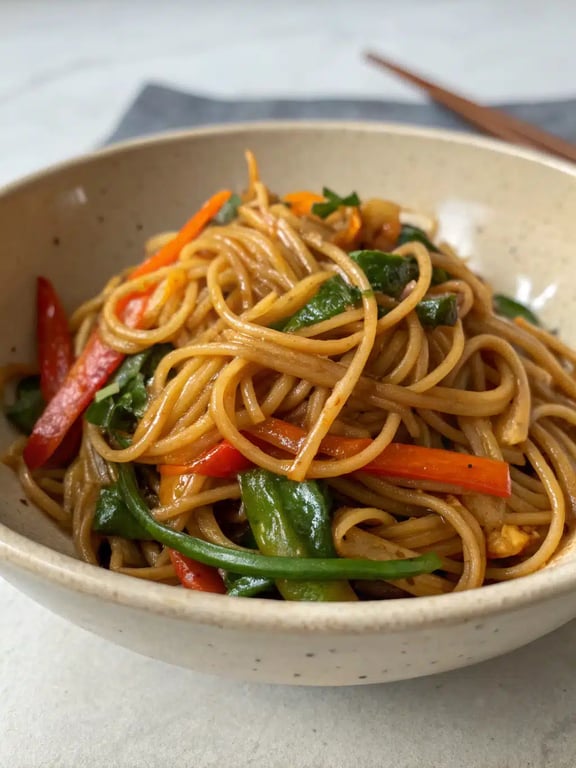
Mistakes to Avoid
After testing this recipe countless times, we’ve identified a few common pitfalls that can affect your final dish. Fortunately, these are all easy to avoid with just a little know-how. Many home cooks wonder why their lo mein noodles sometimes turn out soggy or lack that restaurant-quality texture, so we’re sharing our hard-earned insights to help you succeed every time. Overcooking the Noodles: This is probably the most common mistake we see. If you cook your lo mein noodles until they’re soft, they’ll become mushy when mixed with the sauce and vegetables. Always cook them just until al dente, then rinse with cold water to stop the cooking process immediately. Crowding the Wok: When you add too many vegetables at once, they steam rather than stir-fry, resulting in soft, watery vegetables instead of crisp-tender ones. Cook in batches if necessary, and make sure your wok or skillet is very hot before adding ingredients. Not Pre-mixing the Sauce: If you add sauce ingredients separately to the wok, they won’t distribute evenly. The brown sugar might not dissolve properly, and you could end up with pockets of intense flavor. Whisking everything together first ensures every bite is perfectly balanced. Using Low Heat: Authentic lo mein noodles require high-heat cooking to achieve that slight char and wok hei flavor. If your heat is too low, the vegetables will release too much liquid and the noodles won’t develop that delicious slightly smoky taste. We’ve made all these mistakes ourselves during testing, so don’t worry if you’ve encountered them too! The great thing about this easy lo mein recipe is that once you know these simple tricks, you’ll consistently create amazing results.How to Store lo mein noodles
Proper storage makes all the difference in enjoying your lo mein noodles later. We’ve tested various methods extensively and found that with the right approach, your leftovers can taste nearly as good as when freshly made. Whether you’re saving a single portion or making a big batch of beef lo mein for meal prep, these tips will help maintain quality. During our storage tests, we discovered that transferring the lo mein to shallow containers helps it cool quickly and evenly, which is key for food safety and texture preservation. Let the noodles cool to room temperature before storing, but don’t leave them out for more than two hours. They’ll keep well in an airtight container in the refrigerator for up to three days. For reheating, we strongly recommend using a skillet or wok rather than a microwave. Add a tablespoon of water or broth to the skillet along with the cold noodles, then cover and heat over medium-low, tossing occasionally until warmed through. This method helps revive the sauce and prevents the noodles from drying out. If you made shrimp lo mein, be extra gentle when reheating to avoid overcooking the shrimp.Try This lo mein noodles Yourself
We genuinely hope you’ll give these lo mein noodles a try in your own kitchen. There’s something incredibly satisfying about creating this restaurant-quality dish at home, and we’re confident you’ll love the results as much as we do. This easy lo mein recipe has become a staple in our own homes because it’s reliable, delicious, and endlessly adaptable. One of our favorite team memories involves testing this recipe for the first time and realizing how much better homemade lo mein noodles taste compared to takeout. The freshness of the vegetables, the perfect sauce consistency, and the ability to customize everything to your liking makes this version truly special. Whether you stick with the classic vegetable lo mein or experiment with chicken or shrimp variations, you’re in for a treat. Remember, cooking should be enjoyable, and this recipe is particularly forgiving. Don’t stress about perfection—each time you make it, you’ll gain more confidence and develop your own little tweaks and preferences. We’d love to hear about your experience with this dish and any creative variations you come up with!Vegetable Lo Mein
A classic vegetable lo mein that delivers irresistible savory, slightly sweet flavors with tender noodles and crisp-tender vegetables. This easy recipe comes together faster than takeout and creates a restaurant-quality dish right in your own kitchen.
Ingredients
Equipment
Method
- Cook the lo mein noodles according to package directions until al dente, then drain thoroughly and toss with a teaspoon of vegetable oil to prevent sticking.
- While noodles cook, whisk together soy sauce, oyster sauce, sesame oil, brown sugar, and black pepper in a small bowl until the sugar dissolves.
- Heat remaining vegetable oil in a large wok or skillet over high heat until shimmering, then add garlic and ginger and stir-fry for 30 seconds until fragrant.
- Add carrots and stir-fry for 2 minutes until slightly softened, then add bell peppers and cabbage and continue stir-frying for another 2 minutes until vegetables are crisp-tender.
- Reduce heat to medium, add the cooked noodles and sauce to the wok, tossing constantly with tongs to coat everything evenly.
- Stir in green onions and cook for one final minute until the sauce clings to the noodles and vegetables are well incorporated.
- Taste and adjust seasoning with more soy sauce if needed, then serve immediately while hot.
Nutrition
Notes
For a deeper flavor, add a splash of mushroom stir-fry sauce to your sauce mixture. Always rinse your cooked lo mein noodles with cold water after draining to stop the cooking process and prevent sticking. Store leftovers in an airtight container in the fridge for up to 3 days. Reheat in a skillet with a tiny splash of water to revive the sauce.
Tried this recipe?
Let us know how it was!Enjoyed the recipe? Share it!

Kitchen Essentials We Recommend
Tools that make cooking easier — tried, tested, and loved.


As an Amazon Associate we earn from qualifying purchases.
Got a recipe the world should try?
Share your favorite family recipe or national dish with food lovers in 100+ countries.
Submit Your RecipeFrequently Asked Questions
Can I make lo mein noodles ahead of time?
Absolutely! You can prep all your vegetables and mix the sauce a day in advance. However, we recommend cooking the lo mein noodles fresh and assembling the dish just before serving for the best texture. The noodles can become soft if stored in the sauce for too long.
How do I prevent my lo mein from becoming soggy?
The key is to cook your noodles al dente and rinse them with cold water immediately after draining. Also, make sure your wok is very hot when stir-frying to quickly cook the vegetables without releasing too much liquid. Properly cooked lo mein noodles should have a pleasant chewiness rather than being soft or mushy.
What’s the difference between lo mein and chow mein?
While both dishes feature wheat noodles, the main difference lies in preparation. Lo mein noodles are boiled first, then tossed with sauce and ingredients. Chow mein noodles are typically stir-fried until crispy. Our version focuses on the soft, saucy texture of traditional lo mein noodles that beautifully absorb the flavorful sauce.
Can I use different vegetables in my lo mein?
Definitely! This vegetable lo mein is wonderfully adaptable. We’ve successfully used broccoli, snow peas, mushrooms, and baby corn. Just remember to adjust cooking times based on vegetable density—firmer vegetables like carrots need more time, while delicate ones like spinach should be added at the end.