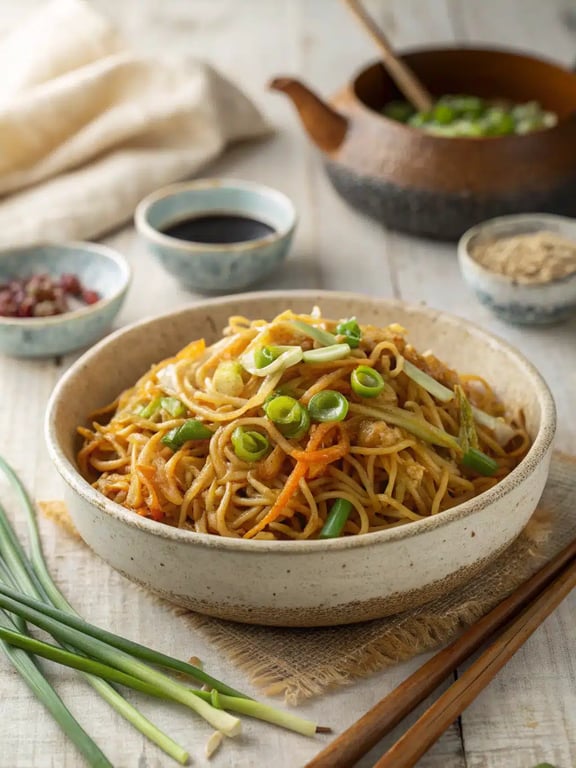
With just a handful of simple ingredients, this classic plain chow mein delivers a symphony of textures and savory flavors that are incredibly satisfying. We're talking about tender-crisp vegetables, springy noodles with a slight crisp from the wok, and a deeply savory sauce that coats every single strand.
What Makes plain chow mein So Special
With just a handful of simple ingredients, this classic plain chow mein delivers a symphony of textures and savory flavors that are incredibly satisfying. We’re talking about tender-crisp vegetables, springy noodles with a slight crisp from the wok, and a deeply savory sauce that coats every single strand. It’s the kind of easy chow mein that proves you don’t need a long list of ingredients to create a truly delicious meal. During our testing, we found that the key to a great homemade chow mein lies in getting that perfect sear on the noodles. Don’t be shy with the heat when you add them to the wok! That sizzle is what creates the wonderful texture contrast we all love. Once you get the technique down, you’ll see just how simple it is to make a restaurant-quality dish right in your own kitchen.
This post may contain affiliate recommendations. Please see our disclosure policy.
What You’ll Find in This Article
Ingredients for plain chow mein
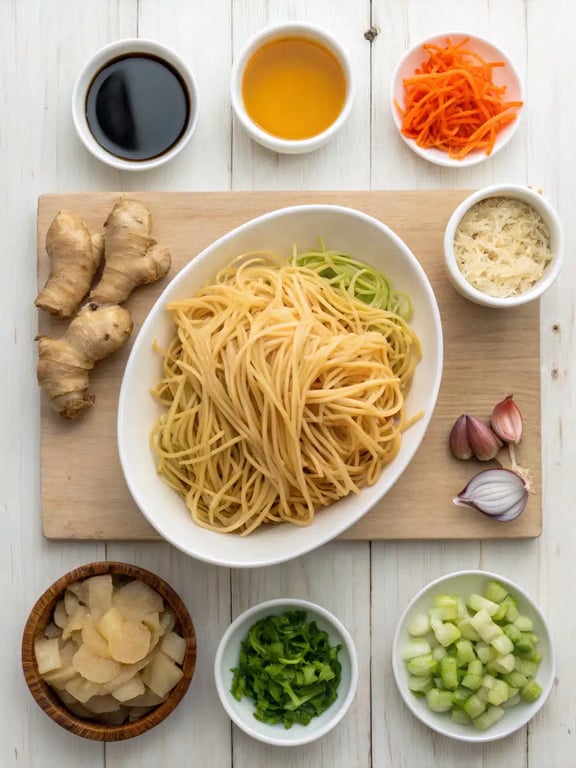
Gathering your ingredients before you start is the secret to a smooth stir-fry experience. Here’s everything you’ll need for this fantastic vegetable chow mein:- 8 ounces dried chow mein noodles
- 2 tablespoons vegetable oil
- 3 cloves garlic, minced
- 1 teaspoon fresh ginger, grated
- 1 small onion, thinly sliced
- 2 cups shredded cabbage
- 1 large carrot, julienned
- 2 stalks celery, thinly sliced
- 3 tablespoons soy sauce
- 1 tablespoon oyster sauce
- 1 teaspoon sesame oil
- 2 green onions, sliced
Cook Time for homemade chow mein
We know you’re busy, so we love how quickly this dish comes together. From start to finish, you can have a steaming plate of homemade chow mein on the table in about 20 minutes. The prep work takes roughly 10 minutes, and the active cooking time is only about 5-7 minutes. This makes it a perfect weeknight hero when you’re craving something delicious and fast.How to Make easy chow mein
Follow these simple steps for a perfect plate of easy chow mein every single time. We’ve broken it down to make the process foolproof.Step 1: Cook the Noodles
Cook the chow mein noodles according to package directions until al dente, then drain thoroughly and set aside.Step 2: Sizzle the Aromatics
Heat vegetable oil in a large wok or skillet over high heat until shimmering, then add garlic and ginger, stirring for 30 seconds until fragrant.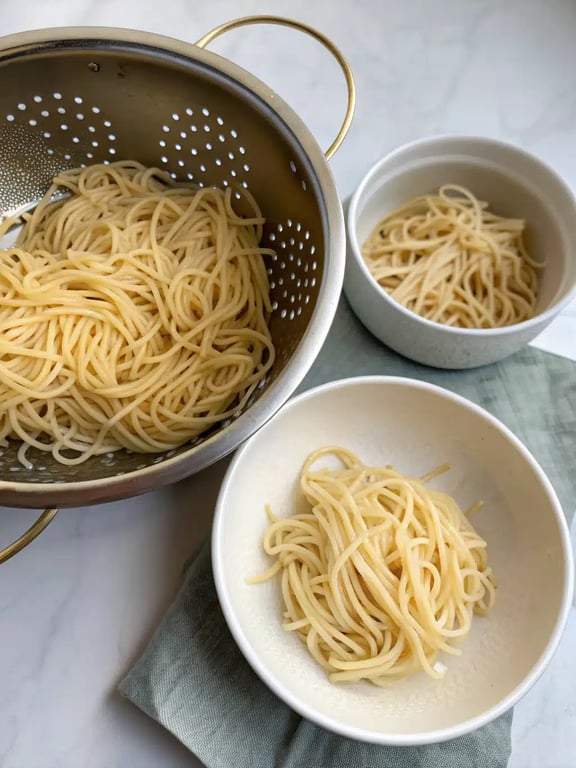
Step 3: Stir-Fry the Vegetables
Add onion, cabbage, carrot, and celery to the wok, stir-frying for 3-4 minutes until vegetables are tender-crisp.Step 4: Crisp the Noodles
Push vegetables to one side and add the cooked noodles to the empty space, letting them sizzle for a minute to develop slight crispness.Step 5: Add the Sauce
Pour soy sauce and oyster sauce over the noodles, then toss everything together until well combined and heated through.Step 6: Finish with Sesame Oil
Drizzle with sesame oil and toss once more before removing from heat.Step 7: Garnish and Serve
Garnish with sliced green onions and serve immediately while hot.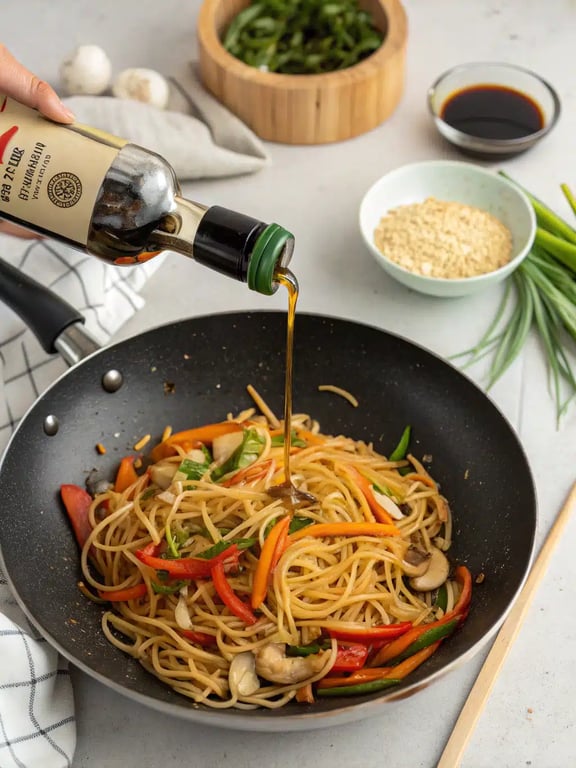
Pro Tips & Tasty Tweaks
After making this recipe dozens of times, our team has gathered a few insights to help you master your plain chow mein. Here are our favorite tips for success.- For a flavor boost, try adding a splash of rice vinegar to the sauce for a subtle tang that brightens the whole dish.
- To prevent soggy noodles, make sure your wok is screaming hot before you add them, and don’t overcrowd the pan.
- If your noodles are sticky, rinse them under cold water after draining and toss with a tiny bit of oil to keep them separate.
- For best leftovers, store in an airtight container and reheat in a skillet over medium heat to restore the texture.
Flavor & Texture Notes
When you get this plain chow mein just right, the experience is all about balance. You’re greeted by the rich, savory depth from the soy and oyster sauces, which is beautifully rounded out by the nutty fragrance of the sesame oil. The vegetables should still have a pleasant crunch, providing a fresh contrast to the tender, slightly chewy noodles. Furthermore, that quick sear in the wok gives some of the noodles a delightful crispy edge, creating a wonderful textural play in every bite. This is what makes a great vegetable chow mein so irresistible.Variations & Substitutions
One of the things we love most about this recipe is how adaptable it is. This basic framework for plain chow mein is a perfect canvas for your own creations. For instance, you can easily turn it into a hearty chicken chow mein by adding thinly sliced, cooked chicken breast in the final toss. Alternatively, for a robust beef chow mein, stir-fry strips of beef steak before the vegetables and then combine everything at the end. If you’re out of a specific vegetable, don’t worry! Bell peppers, snap peas, or even broccoli florets make excellent additions or substitutions. For a gluten-free version, simply use tamari instead of soy sauce and check that your noodles are compliant. Ultimately, feel free to get creative and make this easy chow mein your own.Make-Ahead & Scaling
We know that weeknights can be hectic, which is why we love how well this plain chow mein adapts to prepping ahead. You can chop all your vegetables and mix the sauce a day in advance, storing them separately in airtight containers in the refrigerator. This makes throwing together your homemade chow mein a matter of minutes when you’re ready to cook. For even faster assembly, you can also cook the noodles ahead of time; just toss them with a tiny bit of oil to prevent sticking before refrigerating. When scaling this recipe, we found it works beautifully for a crowd. To double the batch, use your largest skillet or wok and cook in two separate batches to avoid steaming the vegetables and noodles. Conversely, for a single serving, simply halve the ingredients and use a medium skillet to maintain that essential high-heat sear. The cooking times will remain roughly the same, so your easy chow mein will be ready in a flash no matter the quantity.How to Serve plain chow mein
After countless tests, our team agrees that this vegetable chow mein is wonderfully versatile at the table. We love serving it straight from the wok, family-style, so everyone can help themselves to the steaming, fragrant noodles. For a simple, satisfying weeknight meal, it’s perfect all on its own. However, if you’re looking to create a more expansive spread, it pairs beautifully with a clear soup or a light cucumber salad to balance the rich, savory flavors. During one of our team tastings, we discovered that a simple garnish can make all the difference. A final sprinkle of fresh green onions and perhaps a few sesame seeds right before serving not only adds a pop of color but also enhances the overall aroma and texture of your homemade chow mein. We often remind our readers that this easy chow mein is a fantastic base. Feel free to set out small bowls of chili crisp or soy sauce for those who like an extra kick, allowing everyone to customize their plate to their liking.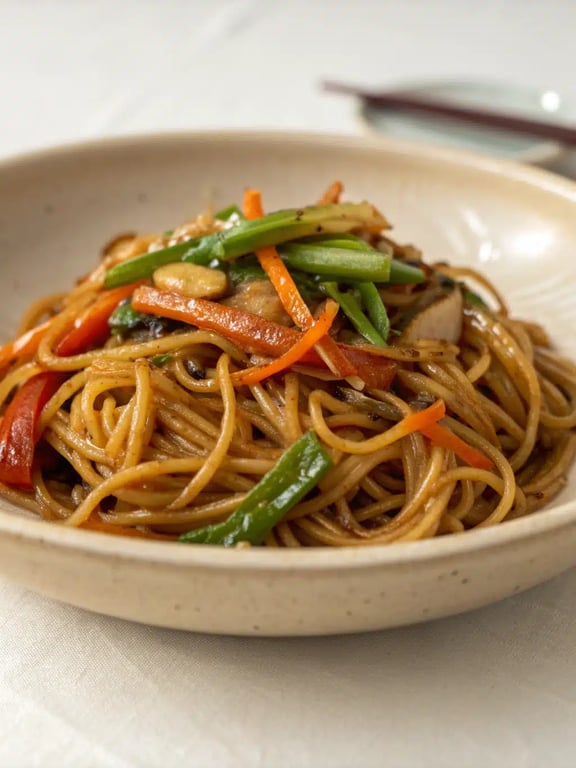
Mistakes to Avoid
Through our testing, we’ve seen a few common hiccups that can easily be avoided for a perfect plate every time. Firstly, don’t skip thoroughly draining your cooked noodles. Any residual water will steam in the wok, leading to a soggy plain chow mein instead of the delightfully crisp-tender texture we’re after. Secondly, be patient and let your wok get properly hot before adding the oil and aromatics. A sufficiently hot cooking surface is non-negotiable for that classic “wok hei” sear. Another frequent question we get is about overcooking the vegetables. You want them tender-crisp, not soft and mushy. Remember, they’ll continue to cook a little from residual heat after you’ve tossed everything together. Furthermore, avoid the temptation to stir the noodles constantly after adding them to the wok. Let them sit for a minute in contact with the hot surface to develop those delicious crispy bits that make a great beef chow mein or chicken chow mein so special. Finally, don’t add the sesame oil too early. Its delicate flavor is best preserved when drizzled in at the very end, off the heat.How to Store plain chow mein
We always make a little extra of this easy chow mein because the leftovers are so good for next-day lunches. To store it, let the noodles cool completely to room temperature before transferring them to an airtight container. They’ll keep in the refrigerator for up to 3 days. We don’t recommend freezing this dish, as the vegetables will become watery and lose their pleasant texture upon thawing. When it’s time to reheat, we found that the stovetop is your best friend. Simply warm a bit of oil in a skillet over medium heat and stir-fry the leftovers until they’re hot and sizzling again. This method helps revive the texture far better than a microwave, which can make the noodles rubbery. A splash of water or a tiny bit more soy sauce can help loosen everything up if it seems a little dry.Try This plain chow mein Yourself
We genuinely hope you feel inspired to whip up this incredibly satisfying plain chow mein in your own kitchen. It’s one of those foundational recipes that, once mastered, gives you the confidence to get creative. Whether you stick with the classic vegetable version or experiment with additions for a hearty chicken chow mein, the process is just as rewarding as the final dish. There’s something truly special about the aroma of garlic and ginger sizzling in a hot wok, and we love that this homemade chow mein brings that restaurant-quality experience right to your stovetop. So, gather your ingredients, fire up that burner, and get ready for a truly delicious meal. We’re confident this will become a regular in your dinner rotation.Plain Chow Mein
With just a handful of simple ingredients, this classic plain chow mein delivers a symphony of textures and savory flavors that are incredibly satisfying. We're talking about tender-crisp vegetables, springy noodles with a slight crisp from the wok, and a deeply savory sauce that coats every single strand.
Ingredients
Equipment
Method
- Cook the chow mein noodles according to package directions until al dente, then drain thoroughly and set aside.
- Heat vegetable oil in a large wok or skillet over high heat until shimmering, then add garlic and ginger, stirring for 30 seconds until fragrant.
- Add onion, cabbage, carrot, and celery to the wok, stir-frying for 3-4 minutes until vegetables are tender-crisp.
- Push vegetables to one side and add the cooked noodles to the empty space, letting them sizzle for a minute to develop slight crispness.
- Pour soy sauce and oyster sauce over the noodles, then toss everything together until well combined and heated through.
- Drizzle with sesame oil and toss once more before removing from heat.
- Garnish with sliced green onions and serve immediately while hot.
Nutrition
Notes
For a flavor boost, try adding a splash of rice vinegar to the sauce for a subtle tang that brightens the whole dish. To prevent soggy noodles, make sure your wok is screaming hot before you add them, and don't overcrowd the pan. If your noodles are sticky, rinse them under cold water after draining and toss with a tiny bit of oil to keep them separate.
Tried this recipe?
Let us know how it was!Enjoyed the recipe? Share it!

Kitchen Essentials We Recommend
Tools that make cooking easier — tried, tested, and loved.


As an Amazon Associate we earn from qualifying purchases.
Got a recipe the world should try?
Share your favorite family recipe or national dish with food lovers in 100+ countries.
Submit Your RecipeFrequently Asked Questions
Can I use different noodles for plain chow mein?
Absolutely! While traditional chow mein noodles are ideal, you can use other Asian wheat noodles like lo mein or even thin spaghetti in a pinch. The key is to cook them until just al dente so they can stand up to stir-frying without becoming mushy in your homemade chow mein.
How do I prevent my chow mein from becoming greasy?
The main culprit is usually using too much oil. Make sure your wok is properly heated before adding oil, and use just enough to coat the surface. Also, ensure your noodles are well-drained before they hit the wok, as water can cause oil to splatter and be absorbed, making your easy chow mein greasy.
What’s the best way to get crispy noodles?
For that desirable crispness, don’t overcrowd the wok. Push the vegetables to the side to create a hot surface for the noodles to sizzle on directly for a minute before tossing. This technique, essential for a great beef chow mein or vegetable chow mein, creates those perfect slightly-crisped edges.